
Iconic Sneaker Models Celebrated for Superior Lateral Support

In the dynamic world of athletic footwear, lateral support stands as a critical pillar of performance and safety. This essential feature stabilizes the foot during side-to-side movements, preventing excessive rolling of the ankle and providing a secure platform for cuts, pivots, and defensive slides. While many sneakers offer cushioning or vertical impact protection, several iconic models have earned legendary status specifically for their engineered mastery of lateral containment, becoming favorites not only on the court but as cultural touchstones.
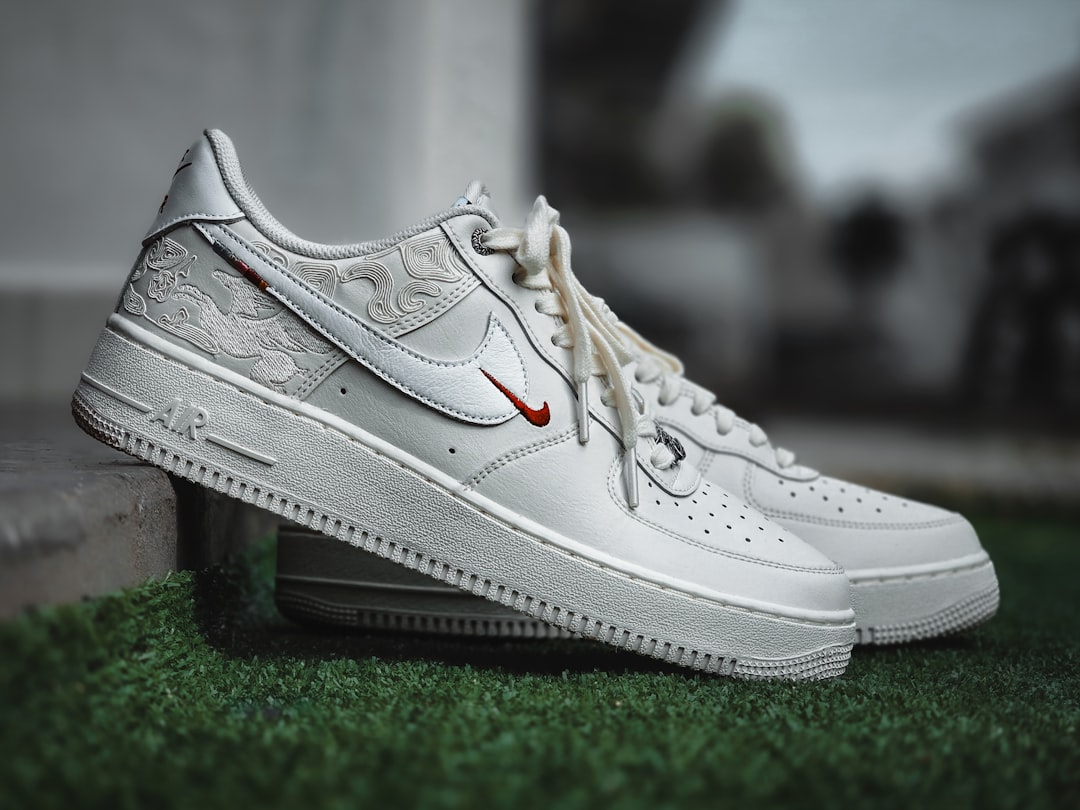
The conversation about lateral support inevitably begins on the basketball court, where the demands are most severe. The Nike Air Jordan IV, designed by Tinker Hatfield and released in 1989, revolutionized the category with its innovative “wings” – plastic mesh panels that extended from the midsole up the sides of the shoe. These wings were laced through, creating an adaptive and locked-in fit that cradled the foot during Michael Jordan’s aggressive drives and sudden changes of direction. This design philosophy was further refined in the iconic Air Jordan XI, which utilized a patent leather mudguard. Far from a mere aesthetic choice, this rigid material formed a formidable cage around the midfoot, offering unparalleled lateral stability that supported Jordan’s return to dominance in 1995. Similarly, the Nike Air Force 1 High, born in 1982, set an early standard with its robust, cupsole construction and a high-top silhouette that provided essential ankle and lateral support, making it a bedrock of inner-city basketball culture before its ascent into a streetwear staple.
Beyond the Jordan line, other basketball models have built their legacy on a foundation of lateral security. The Nike Air Zoom Generation, LeBron James’s inaugural signature shoe from 2003, featured a distinctive molded ankle collar and a broad, stable base that was specifically engineered to handle the powerhouse forward’s formidable weight and explosive lateral force. On the adidas side, the iconic Superstar, with its famous shell toe, initially found fame on the basketball courts of the 1970s. That rubber shell was not a stylistic gimmick; it was a protective and supportive element for players’ toes during relentless lateral movements, a functional heritage that cemented its credibility long before its adoption by hip-hop culture.
The need for lateral support extends powerfully into tennis, a sport defined by rapid, multidirectional sprints. The adidas Stan Smith, perhaps more famous today as a minimalist fashion item, was originally a performance tennis shoe for American star Stan Smith. Its simple leather upper and padded collar provided essential, no-fuss lateral support for court coverage. More technologically advanced, the Nike Air Tech Challenge II, associated with Andre Agassi’s fiery play in the late 1980s, combined a dynamic midfoot strap with a durable, wraparound outsole design to keep the foot anchored during extreme lateral pushes, its bold aesthetics mirroring the aggressive style of play it supported.
These iconic models demonstrate that true, lasting influence in sneaker culture often springs from foundational performance attributes. Their lateral support systems—whether wings, patent leather cages, shell toes, or midfoot straps—were born from athletic necessity. This inherent functionality provided a genuine story and a tangible sense of security and confidence for the wearer. It is this perfect fusion of purposeful engineering, on-court legacy, and subsequent cultural adoption that has elevated these sneakers beyond mere footwear. They stand as enduring testaments to the principle that supporting the foot’s movement is not just a technical specification, but a cornerstone of greatness, enabling athletes and enthusiasts alike to move with confidence, power, and style. Their continued relevance proves that when a shoe masters the art of the lateral, it secures its place in history.
Articles