The Chunky Sneaker Phenomenon: Comfort as a Fashion Statement
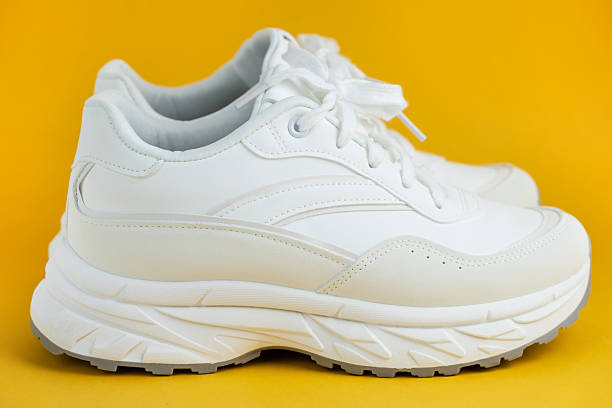
The sneaker landscape has undergone a remarkable transformation over the past decade, with few shifts as dramatic as the rise of the chunky sneaker. Once dismissed as ungainly relics of a less refined era, these bulky, heavily cushioned shoes have become a defining element of casual and lifestyle wardrobes around the world. This phenomenon represents more than a fleeting trend; it is a fundamental reassessment of what everyday footwear should deliver, where comfort and visual weight are no longer mutually exclusive but instead work in tandem to shape modern style.
The origins of the chunky sneaker trace back to the late 1980s and early 1990s, when athletic shoe manufacturers began prioritizing maximum cushioning and stability over sleek profiles. Brands introduced thick midsoles made from expanded foams, air units, and gel pods, all designed to protect runners from impact and provide a plush step. These performance shoes were bulky, functional, and undeniably heavy, yet they earned a loyal following among athletes and casual wearers alike. By the early 2000s, however, minimalist sneakers and streamlined designs had taken the spotlight, pushing chunky silhouettes to the margins of fashion. The revival of this aesthetic arrived unexpectedly in the mid-2010s, driven by a confluence of nostalgia, high-fashion runway shows, and a cultural pivot towards self-expression that embraced the boldly oversized.
What makes the chunky sneaker so compelling for everyday wear is its unapologetic prioritization of comfort. The generous cushioning systems that once served runners now provide hours of walking ease for commuters, travelers, and city dwellers. The roomy toe boxes accommodate different foot shapes, while the stable platforms reduce fatigue even during long days on concrete. This comfort-first approach resonates deeply with a generation that values wellbeing and practicality as much as appearance. In an era where remote work blends with active lifestyles, the chunky sneaker fits seamlessly into routines that demand versatility. It transitions from morning coffee runs to afternoon errands to casual social gatherings without requiring a change of shoes, a convenience that sleek dress shoes or flimsy flats simply cannot match.
Beyond pure physical ease, the chunky sneaker has become a canvas for bold design and personal storytelling. Its exaggerated proportions allow for playful experimentation with color blocking, mixed materials, and retro-inspired logos. Brands have embraced this canvas, releasing limited-edition collaborations that blend street art, pop culture, and heritage details. For the wearer, choosing a pair of chunky sneakers is often an act of identity formation. The shoes declare an affinity for comfort without sacrificing visual impact, a stance that aligns with broader cultural shifts away from rigid dress codes toward more authentic, individualistic expression. The chunky silhouette also carries a nostalgic charge, evoking memories of a simpler time before digital saturation, when bulky trainers were markers of childhood play or suburban mall hangs. This emotional resonance gives the shoe staying power beyond the typical trend cycle.
The influence of chunky sneakers extends well beyond the footwear industry. Their prominence has reshaped how people think about casual attire as a whole. Jeans, cargo pants, oversized sweatshirts, and even tailored blazers find new balance when paired with a weighty sole. Stylists and influencers have demonstrated that the chunky sneaker can ground an otherwise delicate outfit or add a touch of irreverence to more polished pieces. This versatility has made it a staple in capsule wardrobes, where a single pair of chunky sneakers can serve multiple functions, reducing consumption while increasing style range. In this sense, the chunky sneaker aligns with the principles of mindful fashion, offering durability and timeless appeal that fast-fashion sneakers often lack.
Of course, the chunky sneaker is not without its critics. Some argue that its exaggerated shape can appear clunky or unrefined, particularly in formal or semi-formal settings. Others point to the environmental cost of producing heavily cushioned shoes with multiple compounds and adhesives. Yet the market has responded with innovations in sustainable materials, recycled foams, and plant-based alternatives, indicating that the trend is evolving rather than fading. The very bulk that was once a liability has become a feature, a testament to the power of perspective in fashion.
Ultimately, the chunky sneaker phenomenon teaches an important lesson about casual style: that comfort need not come at the expense of expression, and that sometimes the most meaningful design choices are those that prioritize how a shoe makes you feel over how it looks in a minimalist display. As everyday life continues to blur the lines between work, leisure, and play, the chunky sneaker stands as a robust, confident companion. It invites wearers to slow down, step comfortably, and embrace a style that is as much about living well as it is about looking good. The chunky sneaker is here to stay, not because it is fashionable in the fleeting sense, but because it answers a deep human need for ease, identity, and a touch of nostalgia in every step.
Articles