The Enduring Appeal of the Classic White Sneaker
There exists a singular object in the modern wardrobe that transcends seasons, genders, and social contexts with an almost uncanny versatility. It is the classic white sneaker, a footwear archetype that has evolved from utilitarian athletic gear into the undisputed cornerstone of casual and lifestyle dressing. Its journey from the tennis court and the basketball hardwood to the high-fashion runways and the daily commute is a testament to how a simple design can embody both comfort and effortless style. To understand why the white sneaker remains perpetually relevant is to appreciate the delicate balance between form and function that defines the entire category of everyday sneakers.
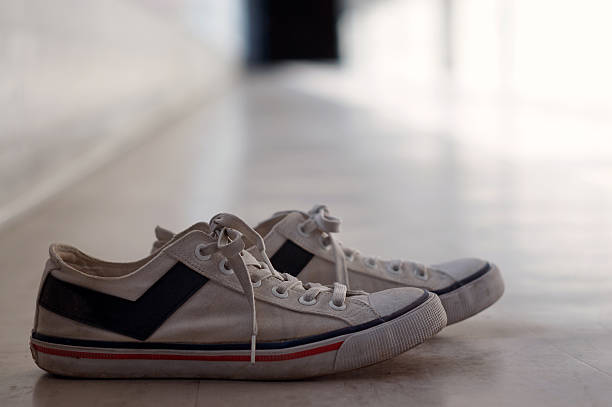
The genius of the white sneaker lies in its ability to act as a blank canvas. Unlike a brightly colored or heavily branded shoe, a clean white silhouette does not demand attention; instead, it quietly elevates whatever it accompanies. A pair of white leather sneakers can transform a deliberately wrinkled linen suit into a statement of relaxed sophistication. They can ground a flowing summer dress, preventing it from veering into overly formal territory. They can inject a sense of purposeful casualness into dark jeans and a simple t-shirt, creating a look that is simultaneously put-together and approachable. This chameleon-like quality is what sets lifestyle sneakers apart from their performance-oriented cousins. While a running shoe is engineered for a specific biomechanical purpose, the white sneaker is engineered for a social purpose: to bridge the gap between polish and ease.
The comfort factor, of course, is non-negotiable. Every great lifestyle sneaker begins with a foundation of reliable cushioning and a supportive, non-restrictive fit. The midsole technology that once belonged exclusively to serious athletic footwear has been repurposed and refined for all-day wear. Memory foam insoles, lightweight EVA foam, and responsive air or gel units allow the wearer to walk miles through city streets without the fatigue that comes from dress shoes or fashion-forward loafers. The upper materials have also evolved. Premium leather softens and molds to the foot over time, developing a personalized patina that tells a story. Canvas breathes in warm weather and offers a lighter, more casual feel. Suede adds texture but requires a bit more care. The best everyday sneakers balance these material choices with practical considerations like ease of cleaning, because a white sneaker’s greatest strength is also its greatest vulnerability: it shows every scuff, every spec of dirt, every subway grime.
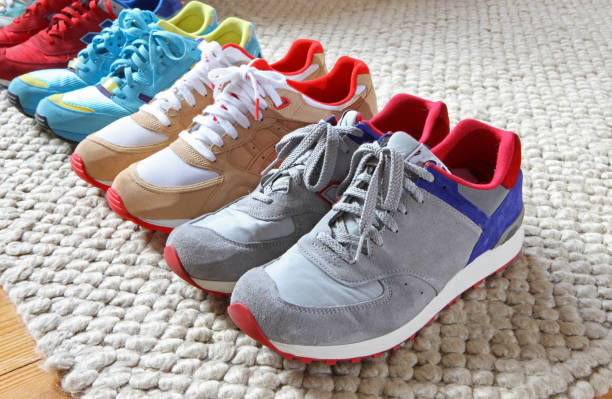
Caring for a pair of white sneakers is a ritual that binds collectors and casual wearers alike. The moment a pristine shoe acquires its first scuff mark, the owner faces a choice: embrace the imperfection as character, or reach for a magic eraser and a gentle cleaning solution. This maintenance ritual is oddly satisfying and speaks to the deeper relationship people form with their favorite pairs. It is not unusual for a dedicated enthusiast to own multiple white sneakers in rotation, each serving a slightly different role. One might be a low-top leather model for brunch and office-casual days, another a chunky dad-sneaker silhouette for weekend errands, and a third a minimalist knit runner for travel. The variety within the seemingly narrow category of “white sneaker” is staggering, yet all share the same underlying promise: they will make your outfit look intentional while keeping your feet happy.
The cultural significance of the white sneaker cannot be overstated. It emerged from the tennis whites of the 1920s, gained street credibility through basketball legends like Walt “Clyde” Frazier, and entered the mainstream consciousness through the mod subculture and later the hip-hop scene. Today, it is a unifier. You might see a CEO wearing the same model of white sneaker as a graphic designer or a college student. This democratization of style is rare in fashion, where status is often signaled through exclusivity. The white sneaker, particularly in its most iconic forms, is accessible, recognizable, and universally respected. It says nothing about your income or your tribe, but it says everything about your commitment to comfort and good taste.
As sneaker culture continues to expand, the white sneaker remains the anchor that holds the lifestyle category steady. New colorways and collaborations come and go, but the demand for a clean, white silhouette is constant. Brands invest heavily in perfecting the details: the stitching pattern on the heel tab, the texture of the laces, the precise shade of off-white that resists yellowing. These micro-decisions matter because the customer base has become discerning. We no longer accept a shoe that looks good but destroys our arches, nor one that feels like a cloud but resembles a medical device. The white sneaker must be both beautiful and bearable, a rare combination that explains its enduring reign. In a world of fleeting trends, it offers quiet certainty. Slip on a pair, and you are ready for almost anything—the office, the gallery, the park, the dinner table—without having to think twice. That is the true meaning of everyday style.
Articles