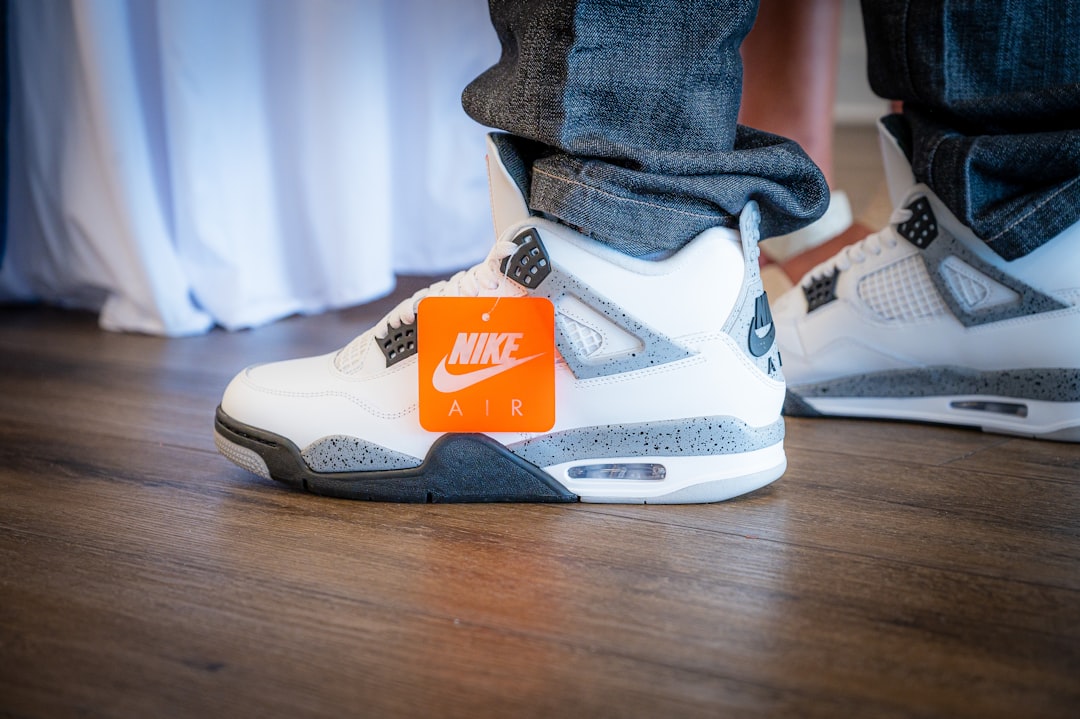
The Collaborative Engine Driving Modern Sneaker Culture

In the modern sneaker landscape, collaborations have evolved from occasional marketing novelties into the central, driving engine of innovation, hype, and cultural relevance. They are no longer mere partnerships but complex, narrative-driven projects that fuse design, art, music, and street culture, fundamentally reshaping how brands operate and consumers engage. The role of collaborations today is multifaceted, serving as a primary tool for creative renewal, audience expansion, and the continuous generation of the “must-have” product that defines the zeitgeist.
At its core, the collaborative model is a powerful antidote to creative stagnation. Major athletic brands possess unparalleled technical resources and manufacturing scale, but their very size can sometimes slow radical innovation. By partnering with external designers, high-fashion houses, or even iconic consumer brands, they inject fresh perspectives into legacy silhouettes. A collaboration can deconstruct and reimagine a classic shoe, applying new materials, color palettes, and storytelling that the parent brand might never risk on a general release. This process keeps iconic models like the Nike Air Force 1 or the Adidas Stan Smith perpetually renewed, ensuring they resonate with new generations without losing their foundational heritage. The result is a product that feels both familiar and utterly novel, a potent combination in a market driven by distinction.
Beyond design innovation, collaborations are masterful instruments for cultural triangulation and audience cross-pollination. When a sneaker brand partners with a luxury fashion label like Louis Vuitton or Dior, it does more than create an expensive shoe; it performs an alchemy of status, borrowing high-fashion cachet to elevate its own streetwear credibility while simultaneously making luxury accessible in a new, youthful format. Conversely, a partnership with a niche skate shop or a beloved anime franchise allows mega-brands to demonstrate authentic subcultural knowledge, grounding themselves in specific communities and gaining street-level credibility that pure advertising cannot buy. These partnerships function as cultural handshakes, introducing each brand to the other’s audience and creating a new, hybrid consumer in the process.
Furthermore, the collaborative drop has become the definitive hype model of the 21st century. The limited nature, the unique narrative, and the fusion of creative minds generate a level of anticipation and exclusivity that standard releases struggle to match. The entire lifecycle—from cryptic teasers and leaked images to celebrity sightings and the final, frantic online release—is a media event. This system not only guarantees swift sell-outs and secondary market frenzy but also generates immense organic marketing. Each collaboration becomes a talking point, fueling content across social media, news outlets, and forums, keeping the brands perpetually in the cultural conversation even for those who never secure a pair.
However, the sheer volume of collaborations today also presents a paradox. As the market becomes saturated with partnerships, the risk of dilution grows. What was once special can become routine, forcing brands to seek ever more obscure or unexpected partners to capture attention. This raises questions about authenticity, as consumers grow more adept at distinguishing between meaningful creative unions and purely transactional co-branding exercises. The most successful collaborations, therefore, are those that tell a compelling, coherent story—where the partner’s identity is genuinely woven into the product’s DNA, rather than simply stamped on its side.
Ultimately, collaborations in the modern sneaker landscape are the primary language through which brands communicate their cultural fluency and creative ambition. They are strategic tools for innovation, bridges between disparate cultural worlds, and the engines of the hype economy. By transforming the sneaker from a mass-produced athletic item into a limited-edition canvas for shared storytelling, collaborations have cemented the sneaker’s place as a central artifact of contemporary culture, where the value lies as much in the narrative on the tongue as in the technology underfoot.
Articles