The Enduring Influence of the Nike Air Force 1 on Fashion and Streetwear Styling
The trajectory of modern streetwear is paved with iconic sneakers, but few have shaped its aesthetic and cultural foundations as profoundly as the Nike Air Force 1. First introduced in 1982 as a high-performance basketball shoe, the AF1, often referred to simply as the “Air Force One” or “Uptowns,“ transcended its athletic origins to become a cornerstone of fashion and streetwear styling. Its influence is not a story of fleeting trendiness, but a decades-long narrative of adaptation, community identity, and timeless design that continues to resonate.
The initial spark of the AF1’s streetwear credibility was lit not on the court, but on the streets of Baltimore and New York City in the mid-1980s. As the shoe was slated for discontinuation, a grassroots movement of local retailers and sneaker enthusiasts demanded its return, creating a blueprint for the collaborative, community-driven hype that defines streetwear today. This “re-release” in 1986 established the AF1 as a symbol of regional pride and subcultural capital. Its clean, all-white leather construction made it a pristine canvas, but one that was defiantly worn in urban environments, creating a potent contrast that defined an era of “ghetto fabulous” styling. The shoe became synonymous with a specific, aspirational cool—sharp, clean, and impeccably maintained, often paired with oversized sports jerseys, baggy jeans, and bold gold chains, cementing its place in the hip-hop style lexicon.
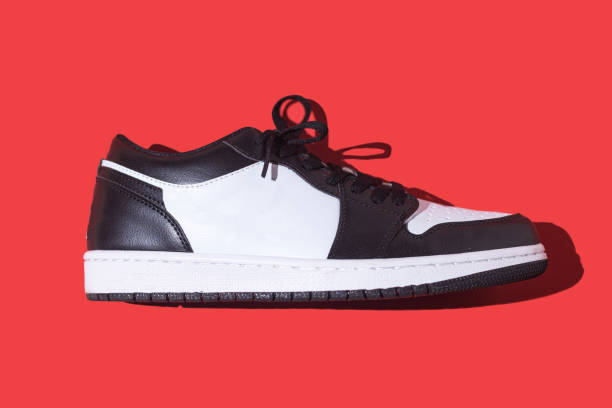
Fundamentally, the Air Force 1’s design philosophy granted it unparalleled versatility, which is the bedrock of its lasting stylistic influence. Its simple, rounded silhouette, perforated toe box, ankle strap, and signature midsole air unit created a balanced and recognizable form. This neutrality allowed it to seamlessly bridge disparate style tribes. It could be laced tightly with crisp creases in a preppy polo and chinos, worn unlaced with baggy cargo pants for a rugged look, or paired with a sleek skirt and blazer, challenging gendered fashion norms. The classic white-on-white colorway, in particular, became a universal staple, a blank slate that communicated both purity and streetwise edge. This chameleon-like quality allowed the AF1 to flow through the decades, adapting to the shifting sands of fashion from the baggy 90s to the skinny-jean 2000s and into today’s eclectic mix.
Perhaps the most significant evolution in the AF1’s influence is its role as a platform for collaboration and customization, prefiguring the core tenets of contemporary streetwear. Nike’s “Color of the Month” series in the 2000s democratized limited editions, while groundbreaking collaborations with designers like Supreme, Off-White, and Travis Scott transformed the shoe into a high-fashion artifact and a canvas for storytelling. These partnerships did not just add new colorways; they deconstructed and reimagined the silhouette itself, adding new textures, materials, and symbolic details that turned each release into a cultural event. This practice elevated the sneaker from a functional item to a collectible piece of wearable art, reinforcing streetwear’s obsession with exclusivity and narrative.
Ultimately, the influence of the Air Force 1 on fashion and streetwear styling is a testament to the power of foundational design. It provided a perfect, adaptable form that carried the weight of subcultural authenticity from its inner-city revival. It taught a generation that a sneaker could be both a statement of personal identity and a universally understood cultural code. By balancing pristine simplicity with rugged durability, and mass appeal with collaborative exclusivity, the AF1 established a template for what a streetwear icon could be. It moved from the hardwood to the sidewalk to the runway, proving that true style is not about where you come from, but where you can go—all while wearing a pair of classic Uptowns.
Articles