The Critical Judgment Call: When Peeling Soles Demand Professional Intervention
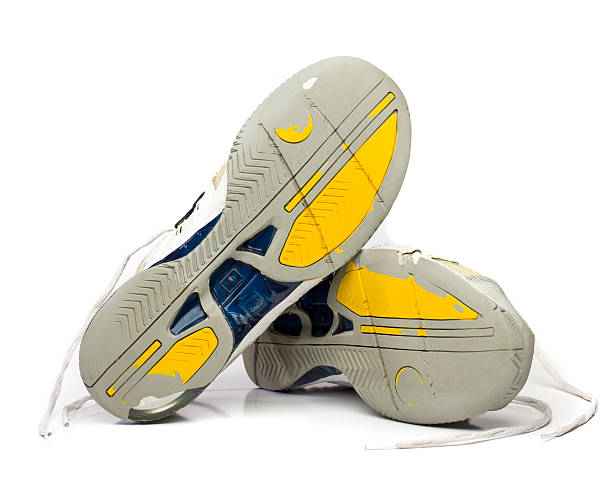
The moment a sneaker sole begins to separate from the upper, a collector faces a decision that tests both patience and knowledge. That thin strip of exposed glue, the faint crackling sound during a step, or the sight of foam crumbling against pavement signals more than wear—it signals a fork in the road where amateur repair meets professional restoration. While countless tutorials promise perfect results with household adhesives and YouTube guidance, the reality is that delamination, sole separation, and structural compromise are often signs that only a trained restoration specialist can properly address. Understanding when to put down the glue bottle and hand over the sneakers to a professional is as essential as knowing how to clean a midsole.
The first clue that professional intervention is necessary lies in the type of material separating. Modern sneakers use a bewildering array of synthetics, foams, rubbers, and composites, each requiring a specific adhesive chemistry. Polyurethane midsoles, for instance, are notoriously difficult to bond because they contain oils and plasticizers that migrate to the surface over time, preventing standard glues from forming a permanent grip. When a pair of Air Max 90s develops a gap between the Phylon midsole and the outsole, an amateur application of super glue or shoe goo will likely fail within weeks, sometimes causing further damage by chemically degrading the foam. A professional restorer will first prepare the surface by lightly sanding, then degreasing with isopropyl alcohol, and finally applying a high-heat contact cement designed specifically for polyurethane substrates. This process requires ventilated work areas, heat guns set to precise temperatures, and clamping tools that apply even pressure for hours. Without these resources, the repair is doomed from the start.
Another non-negotiable scenario for professional help involves structural components that affect the shoe’s geometry and safety. Sneakers with visible air units, such as the Nike Air Max line or the Adidas Boost series, present unique challenges. If the air bubble itself is punctured or leaking, no home remedy can restore the cushioning. A professional may disassemble the unit entirely, replace the bladder, and re-bond the surrounding foam with factory-grade precision. Similarly, when the heel counter—the rigid cup that stabilizes the rear foot—has separated from the inner lining, the sneaker loses its ability to support the heel properly. Attempting to glue this area without first removing the insole and accessing the internal structure often results in a lumpy, uncomfortable fix that compromises the fit and may cause blisters. Only a restoration workshop with decompression tables, specialized lasts, and experience in reconstructing internal supports can return the shoe to its intended shape.
The age and collectibility of the sneaker also heavily influence the decision to seek professional restoration. Vintage pairs from the 1980s and 1990s often suffer from hydrolysis—a chemical breakdown of polyurethane midsoles caused by humidity and time. This presents as crumbling foam that disintegrates under pressure. While some collectors attempt to fill gaps with epoxy or silicone caulk, these makeshift solutions add weight, alter flexibility, and ruin the original aesthetic. Professional restorers have access to replacement midsole foam that matches the density, color, and of the original material. They can also undertake a process called “sole swapping,” where the intact outsole of a deadstock donor pair is transferred to the vintage upper. This is a delicate operation requiring exact alignment of tread patterns, careful removal of old glue residues without tearing the upper, and precise trimming to maintain the original silhouette. Doing this at home without the proper tools—like a sewing machine for stitched construction or a hot knife for clean separation—inevitably leads to misaligned soles, visible glue lines, and frustrated collectors.
Cost and emotional attachment also play a role in the professional-versus-DIY calculation. A rare pair of Air Jordan 1s with a completely detached sole might have a market value of several hundred dollars even in damaged condition. Sending them to a respected restorer for a full sole re-glue and midsole treatment typically costs sixty to one hundred twenty dollars, plus shipping. That is a fraction of the value lost if a botched home repair renders the sneakers unwearable or visibly flawed. Moreover, some damage is reversible only if caught early. A small crack in the outsole can be sealed professionally, preventing moisture intrusion that rots the insole and upper. Waiting too long or attempting a temporary patch can allow dirt and water to accelerate decay, turning a repairable pair into a lost cause.
The final and most subtle signal that professional help is needed is when the sneaker’s integrity involves multiple layers of failure. A single loose heel pad might be fixed with a dab of fabric glue, but a shoe that has simultaneously developed a detaching outsole, a split midsole seam, and a collapsed arch support requires a systematic approach. Amateurs tend to fix one issue at a time, often in the wrong order—gluing the outsole before addressing the midsole crack, for example, which then makes it impossible to apply even pressure during the midsole repair. Professionals follow a sequence: they strip the shoe down to its components, clean and repair each layer, rebuild the structure from the inside out, and then apply the final outsole bond. This methodical workflow is impossible without experience handling varied adhesives, curing times, and clamping pressures.
Knowing when to send sneakers out for professional restoration is not a sign of defeat but a mark of wisdom. The best collectors understand that their passion is supported by the skills of artisans who have dedicated years to mastering chemistry, materials science, and handcraft technique. For the peeling sole on a cherished pair, the question is not whether it can be fixed, but who should do the fixing. The answer, more often than not, is someone with a heat gun, a clean bench, and a reverence for the shoe’s original intention.
Articles