The Critical Role of Lateral Support in Court and Training Sneakers
When an athlete cuts hard on a basketball court, pivots sharply on a tennis baseline, or drives laterally through a agility drill in the weight room, the forces traveling through the foot and ankle become immense. In these moments, lateral support is not merely a comfort feature but a fundamental safety mechanism that determines whether a movement is executed with power or ends in injury. Court and training sports demand quick directional changes, rapid stops, and explosive side-to-side movements that place extraordinary stress on the ankle joint and the surrounding ligaments. Without adequate lateral stability, even the most skilled athlete becomes vulnerable to ankle sprains, stress fractures, and chronic instability that can derail an entire season. Understanding how sneaker engineering addresses this challenge is essential for anyone serious about performance on hardwood, clay, or gym floor.
The anatomy of lateral support begins with the outsole and midsole geometry. A properly designed lateral outrigger extends slightly beyond the upper on the outside edge of the forefoot, creating a broader platform that resists tipping when the foot rolls outward. This feature is especially critical in basketball shoes, where players frequently land on a single foot after a jump or plant aggressively to change direction. The outrigger works in concert with a firm midsole foam that provides a stable base without sacrificing ground feel. Many modern court shoes use a combination of dense Phylon or Pebax foam in the lateral forefoot, sometimes reinforced with a plastic shank or torsion plate that bridges the midfoot and prevents excessive twisting. This structural integration ensures that the foot remains aligned over the sole during lateral cuts, reducing the strain on the peroneal muscles and the lateral ankle ligaments.
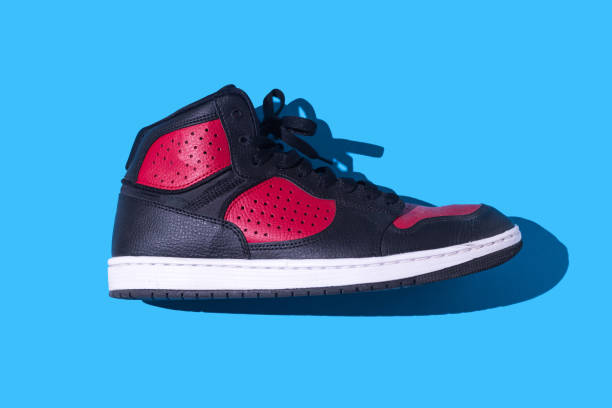
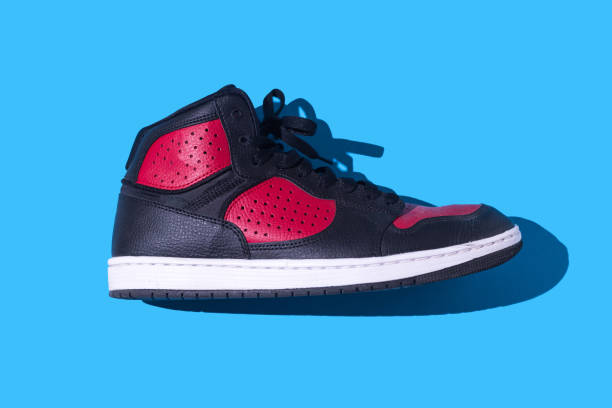
Equally important is the heel counter and upper construction. A rigid external heel counter locks the calcaneus in place, preventing the heel from sliding sideways inside the shoe during sudden stops. This is particularly vital for training sports such as CrossFit or plyometric drills, where athletes may perform lateral bounds or side shuffles on various surfaces. The upper material, whether knit, mesh, or synthetic leather, must provide containment without restricting mobility. Reinforced overlays in the lateral midfoot and forefoot, often made of thermoplastic polyurethane or fused rubber, act as a cage that holds the foot steady. Lacing systems also contribute significantly: dynamic lacing that extends down toward the midfoot allows the athlete to cinch the shoe precisely, pulling the upper snugly against the lateral side of the foot. Some premium court sneakers feature a strap or a strap-like lace loop that wraps over the instep, offering an additional layer of lockdown that prevents the foot from shifting side to side.
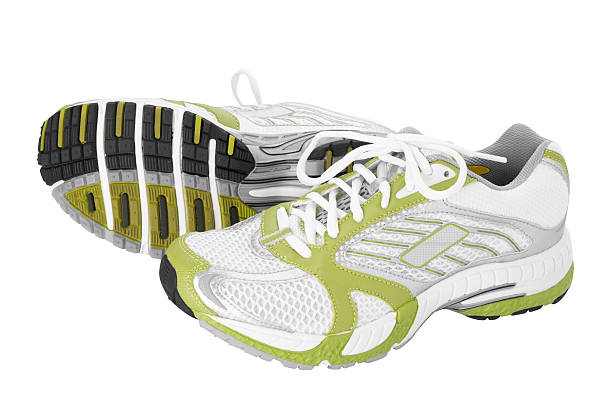
Traction pattern plays a supporting but crucial role in lateral stability. A herringbone or multidirectional tread pattern with deep grooves provides the grip needed to execute sharp cuts without slipping. If a sneaker loses grip at the lateral edge, the foot may skid outward, forcing the ankle into an unnatural position. Conversely, excessive grip combined with poor lateral support can cause the foot to stop abruptly while the momentum of the body continues, leading to inversion injuries. Therefore, the best court and training sneakers balance traction with a slight pivot point in the forefoot, allowing the shoe to rotate smoothly during directional changes while maintaining lateral bite. This nuanced engineering is why professional basketball players often wear shoes with a visible pivot circle and why tennis shoes frequently feature a reinforced lateral drag pad that resists wear while providing consistent friction.
The role of cushioning in lateral stability is often misunderstood. Plush, high‑stack cushioning can create a sense of comfort but may actually increase instability by allowing the foot to sink and roll during lateral movements. For court and training applications, a lower‑to‑the‑ground platform with responsive, firmer foam is typically preferred. Brands like Nike, Adidas, and Under Armour have developed proprietary foam compounds that are resilient under impact yet remain stable under lateral loads. Nike’s Zoom Air units, for instance, are often placed in the forefoot to provide a low‑profile spring that does not compromise lateral rigidity. Similarly, Adidas’s Boost foam, when combined with a supportive chassis, offers energy return without the instability of softer formulations. The key is to match cushioning to the specific demands of the sport: a basketball sneaker may prioritize impact protection in the heel while maintaining a firm lateral forefoot, while a training shoe might use a uniform, low‑profile midsole throughout.
Injury prevention research consistently links inadequate lateral support to the high incidence of ankle sprains in sports like basketball, volleyball, and tennis. A landmark study published in the American Journal of Sports Medicine found that athletes wearing shoes with enhanced lateral stability features experienced significantly fewer inversion sprains compared to those in minimalist or poorly structured footwear. The mechanism is clear: when the foot rolls outward, the shoe’s lateral support acts as a lever that helps the body’s own musculotendinous structures counteract the motion. Without that external assistance, the anterior talofibular ligament bears the full brunt of the force, often tearing under the load. For training athletes who perform repetitive lateral drills, the cumulative micro‑trauma can lead to chronic ankle instability, a condition that may require prolonged rehabilitation and bracing.
Ultimately, selecting the right sneaker for court or training sports demands a careful evaluation of lateral support features. The outrigger width, heel counter stiffness, upper containment, lacing adjustability, and outsole traction all contribute to a holistic stability system. Athletes should prioritize function over fashion, testing shoes by performing lateral movements in‑store and feeling for any unintended roll or excess play. For those recovering from ankle injuries, a shoe with a higher collar or an integrated ankle strap may offer additional reassurance, though modern low‑cut designs have proven that lateral support does not require ankle coverage—it requires precise engineering. In a world where performance metrics often highlight speed and vertical leap, lateral support remains the unsung hero that keeps athletes moving safely in every direction.
Articles