The Definitive Guide to Cleaning Suede Sneakers Without Ruining Them
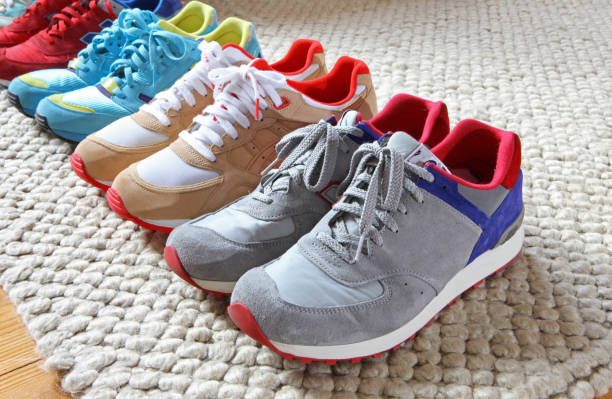
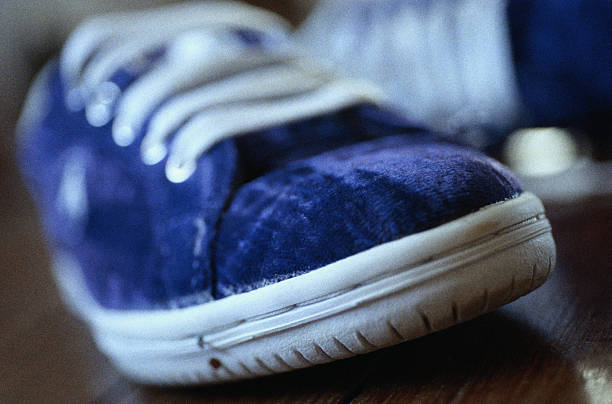
Suede sneakers occupy a unique place in the sneakerhead’s heart. Their plush texture, understated elegance, and ability to elevate any outfit make them a staple in many collections. Yet that very beauty is also their curse. Suede is notoriously delicate, prone to water stains, scuffs, and dirt that seems to embed itself permanently into the nap. The fear of ruining a pair of expensive suede sneakers often leads owners to avoid wearing them entirely or to attempt desperate measures that only worsen the damage. The truth is that suede can be cleaned effectively and safely, provided you understand the material’s nature and follow a methodical approach. Every step matters, from the initial assessment to the final brushing.
The first principle of suede care is prevention and prompt action. Dried mud, fresh raindrops, and scuff marks behave very differently. A stained suede sneaker that has been neglected for weeks will require far more effort than one treated within hours. Begin by removing the laces and insoles. This allows you to access every crevice and prevents moisture from being trapped inside, which can lead to odor and mildew. Use a soft brush—ideally a suede brush with brass or nylon bristles—to gently lift the nap and remove loose surface dirt. Always brush in one direction, following the natural grain of the suede. This step alone can restore much of the original appearance, especially if the dirt is dry and powdery.
For stubborn dirt or mud that has dried, resist the urge to rub vigorously. Instead, take a suede eraser or a standard pencil eraser in a clean white form. Rub the affected area gently in a circular motion. The eraser will absorb and lift the grime without grinding it deeper into the fibers. After erasing, brush again to fluff the nap and blend the cleaned area with the surrounding material. This combination of erasing and brushing is surprisingly effective for everyday scuffs and light soil. However, if the stain has set in as a dark, greasy spot, a dry approach alone will not suffice.
Water-based stains, such as those from rain or spilled beverages, require a different mindset. Never rub wet suede. Rubbing will push the moisture deeper and cause the fibers to mat permanently. Instead, blot the stain immediately with a clean, absorbent cloth. Once the excess liquid is gone, let the sneaker air dry completely away from direct heat. After drying, the nap will often feel stiff and may appear lighter or darker than the rest. Use a suede brush to restore the softness and even out the color. If a water ring remains, lightly dampen the entire panel with a spray bottle and brush while slightly moist, then allow to dry evenly. This technique encourages the nap to stand up uniformly.
Oil and grease stains present the greatest challenge. These can come from leather conditioners, cooking splatter, or even the natural oils from your hands over time. The key is to absorb the grease before it bonds. Sprinkle a generous amount of cornstarch or talcum powder directly onto the stain and let it sit for several hours, preferably overnight. The powder will draw the oil out of the suede. Afterward, brush away the powder. For residual marks, repeat the process. In extreme cases, a very small amount of gentle cleaner formulated for suede may be used on a microfiber cloth, but test on an inconspicuous area first. Avoid soaking the suede; use the cleaner sparingly and blot rather than rub.
For a full deep clean, a suede shampoo or a mixture of warm water and mild soap can be applied only if the entire sneaker needs renewal. Dip a soft-bristled brush into the solution, shake off excess water, and gently scrub the surface in small circular motions. Work one section at a time and use a dry cloth to blot away the dirty foam. Never saturate the suede. After cleaning, stuff the sneakers with paper towels to maintain their shape and let them dry naturally for at least twenty-four hours. Once dry, brush thoroughly to revive the nap. The results can be surprisingly close to factory condition if you are patient and gentle.
Suede’s worst enemy is water, but its best friend is the right brush. A dedicated suede brush kit with a brass wire side for deep nap lifting and a rubber side for erasing is worth the investment. Regular maintenance—a quick brush after each wear and an occasional eraser pass—will keep your suede sneakers looking fresh for years. Many collectors also apply a suede protector spray after cleaning. This forms a barrier that repels water and dirt, giving you a critical window to blot spills before they become stains. Reapply the spray every few weeks, especially if you wear the sneakers in wet conditions.
Above all, accept that suede will develop a patina over time. Minor scuffs and color variations add character and tell the story of your sneakers’ journey. Perfection is not the goal. The goal is to keep your suede sneakers clean enough that you enjoy wearing them without constant anxiety. With the right tools, a patient hand, and an understanding of how suede responds to moisture and pressure, even a pair that has seen heavy rain or a muddy festival can be resurrected. The steps outlined here are not shortcuts. They are a proven sequence that respects the delicate nature of suede while delivering real results. Your sneakers deserve that respect, and so does the effort you put into maintaining them.
Articles