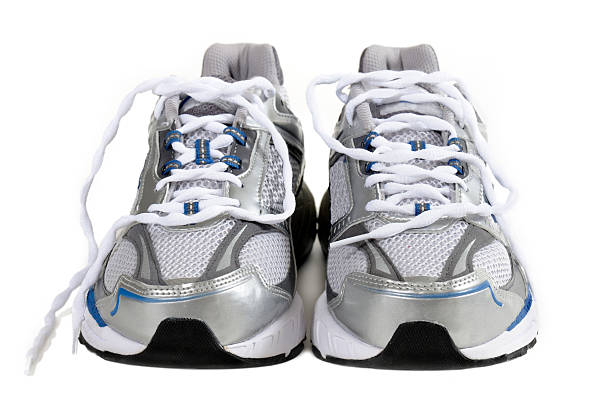
The Double-Edged Sword: Weighing the Pros and Cons of Synthetic Materials in Sneakers

The modern sneaker is a triumph of engineering and design, a far cry from its simple canvas and rubber ancestors. Central to this evolution is the widespread adoption of synthetic materials like polyester, nylon, thermoplastic polyurethane (TPU), and various polymer foams. These lab-created substances have revolutionized athletic footwear, but their integration comes with a complex blend of significant advantages and pressing drawbacks, creating a nuanced landscape for consumers and manufacturers alike.
On the positive side, synthetic materials have democratized high-performance footwear. They are generally less expensive to produce than premium leathers or other natural materials, making advanced sneaker technology accessible to a broader audience. This cost-effectiveness also allows for greater experimentation and rapid iteration in design. From a performance perspective, synthetics excel in consistency and specialized function. Materials like engineered mesh offer unparalleled breathability and precise zones of flexibility, while synthetic suedes and microfiber provide a uniform look and feel that is easier to maintain than their natural counterparts. Furthermore, synthetics are instrumental in reducing weight; shoes built with lightweight polymers and meshes minimize athlete fatigue, a critical factor in competitive sports. Durability in specific contexts is another hallmark; many synthetic uppers are highly resistant to abrasion, moisture, and fading from sunlight, ensuring the shoe retains its structure and color through rigorous use.
Perhaps the most celebrated benefit lies in the customization of functionality. Brands can engineer materials with exact properties—targeted support, dynamic stretch, or water resistance—tailoring each component of the shoe to a specific athletic purpose. This has led to the development of distinct categories for running, basketball, or hiking, with synthetics enabling features that natural materials simply cannot replicate consistently. The ethical appeal of vegan footwear, which relies entirely on non-animal synthetics, also represents a significant pro for a growing segment of consumers seeking cruelty-free products.
However, the cons of synthetic materials are substantial and increasingly scrutinized. The most glaring issue is environmental impact. The majority of synthetics are petroleum-based, deriving from non-renewable resources. Their manufacturing process is energy-intensive and often involves polluting chemicals. At the end of their life cycle, these materials pose a severe waste problem. Unlike biodegradable natural fibers, synthetics can persist in landfills for centuries, slowly degrading into microplastics that contaminate ecosystems. While recycling programs exist, the complex amalgamation of glues and material types in a single sneaker makes true circular recycling exceptionally difficult, leading to a largely linear “take-make-dispose” model.
Comfort and experiential drawbacks also exist. Despite advances, many synthetic materials lack the superior breathability and moisture-wicking properties of high-quality leather or wool, potentially leading to hotter, sweatier feet. The break-in period and mold-to-foot adaptability of natural materials are often unmatched by synthetics, which can sometimes feel rigid or create uncomfortable pressure points. There is also a perceived quality argument; for many, premium natural materials carry a sense of luxury, durability, and patina that synthetics struggle to emulate, affecting the aesthetic and emotional value of the shoe.
In conclusion, synthetic materials in sneakers present a classic trade-off. They have fueled innovation, accessibility, and specialized performance, allowing athletes and casual wearers alike to benefit from lightweight, durable, and purpose-built footwear. Yet, these advantages are counterbalanced by serious environmental consequences stemming from resource depletion and persistent waste, alongside sometimes compromised comfort and heritage appeal. The future of sneaker design likely lies not in abandoning synthetics, but in advancing bio-based and truly recyclable alternatives that strive to capture the performance benefits while mitigating the ecological costs. The choice for consumers, therefore, rests on prioritizing either immediate performance and accessibility or long-term sustainability and natural feel, a decision that defines the very footprint of their footwear.
Articles