The Eco-Conscious Wardrobe: Styling Recycled Material Sneakers with Thrifted Finds
The sneaker world has undergone a quiet revolution. No longer confined to gym floors or street corners, the modern sneaker now carries a new weight—the weight of environmental responsibility. As consumers become more aware of the carbon footprint stamped onto every pair of shoes, a growing number of brands are turning to recycled plastics, organic cottons, and biodegradable foams to craft footwear that looks good without costing the planet. Yet owning a pair of eco-friendly sneakers is only half the journey. The real challenge—and the real opportunity—lies in building an entire outfit around them that honors the same sustainable ethos. This is where thrifted clothing, vintage finds, and a thoughtful approach to styling transform a simple shoe into the cornerstone of a responsible wardrobe.
When you first unbox a pair of sneakers made from recycled ocean plastics or regenerated rubber, you might notice their texture feels slightly different from traditional synthetics. The colors often lean toward earthy, muted tones—olive greens, terracotta browns, slate grays, and off-whites. These palettes are not accidental; they reflect the natural origins of the materials and the reduced use of chemical dyes. The key to styling such sneakers is to embrace this grounded aesthetic. Begin with a base of neutral, natural-fiber clothing. A pair of organic cotton twill trousers in sand or khaki creates a seamless transition from shoe to leg. Tuck in a vintage linen shirt, perhaps found at a local thrift store, that carries the subtle wear of previous seasons—a slight fade, a mended button. That imperfection becomes a badge of sustainability, proof that the garment has lived a life and will continue to do so.
The magic of thrifting lies in its unpredictability. Unlike fast fashion, which offers identical copies of the same trendy piece, thrift stores invite serendipity. A 1980s wool blazer in a heathered charcoal can provide texture and structure against the softness of cotton and the sportiness of recycled sneakers. Pair that blazer with a pair of wide-leg jeans sourced from a vintage denim brand—jeans made before the era of mass-produced stretch denim, when indigo was deep and the fabric would last decades. The contrast between the formal shoulders of the blazer and the casual ease of the sneakers creates a balanced silhouette that feels both intentional and effortless. It also sidesteps the trap of looking like a walking advertisement for a single brand. Instead, you become a curator of stories: the sneakers tell a tale of ocean cleanup, the blazer recalls a previous owner’s business meetings, the jeans whisper of youthful rebellion.
Color coordination in a sustainable outfit often relies on what some call the “earth knot.” Choose one dominant hue—say, a forest green found in your sneakers’ recycled laces or in the seaweed-based dye of a thrifted sweatshirt—and repeat it in small accents. A beanie, a belt, or even a pair of socks can echo that green without overwhelming the eye. The rest of the palette should stay within the warm neutral spectrum: cream, tan, rust, and brown. This approach works because sustainable materials tend to photograph well in natural light, their imperfections adding depth rather than distraction. Avoid high-contrast black-and-white combos unless your sneakers are starkly two-tone, as that can sometimes make recycled materials appear cheaper than they are. Instead, let the fabric textures do the talking: ribbed knit against smooth canvas, raw denim against brushed cotton, matte rubber against polished leather.
For a more athletic look, consider layering a performance-oriented sustainable sneaker with track pants made from recycled polyester. Many outdoor brands now produce joggers with zippered pockets and tapered ankles that pair perfectly with sneakers designed for walking or light trail use. Throw on a thrifted nylon jacket from the 1990s—perhaps in a mustard yellow or faded burgundy—and the result is a retro-futuristic mashup that honors both function and planet. The key is to avoid matching sets; mixing eras and sources prevents the outfit from feeling like a uniform. A single piece of fast fashion in an otherwise thrifted ensemble can undermine the entire philosophy, so commit wholeheartedly to the secondhand hunt.
Accessories offer another playground for sustainable expression. A canvas tote bag made from organic hemp or a belt crafted from reclaimed leather complements sneakers that are themselves built from post-consumer waste. Sunglasses from a vintage vendor, a watch with a recycled steel case, or a hat knitted from undyed wool all contribute to a cohesive story. The goal is not perfection but intention. Every item in the outfit should be able to answer the question, “Where did this come from, and where will it go when I am done with it?” This mindset elevates styling from mere fashion to a form of activism.
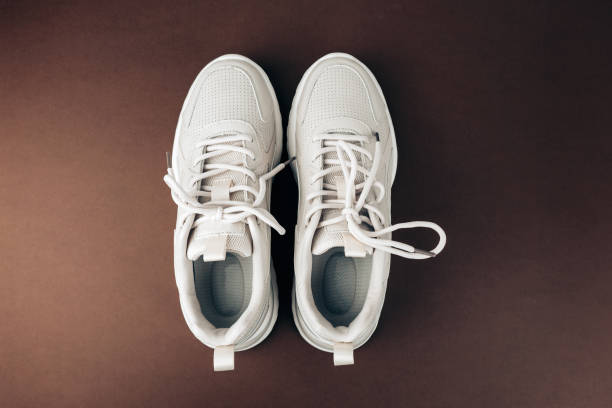
Ultimately, the most sustainable sneaker outfit is one that you will wear again and again. Choose versatile sneakers in a neutral colorway—white with a hint of beige, or gray with cream accents—so they pair with multiple thrifted finds. Rotate your accessories, swap your outerwear, but let the sneakers ground your look. Over time, the outfit evolves, acquiring new layers and new stories, yet always remaining anchored in the same eco-conscious conviction. That is the true power of sustainable styling: it proves that caring for the planet need never come at the cost of looking good.
Articles