The Resurgence of the Chunky Sneaker: A Cultural Phenomenon
Chunky sneakers, once dismissed as clunky relics of a bygone athletic era, have roared back onto the fashion scene with an energy that defies expectations. What began as a niche revival among streetwear pioneers has become a defining force in contemporary footwear, reshaping how wearers approach comfort, self-expression, and the very idea of what a sneaker can be. This resurgence is not merely a whimsical trend but a complex cultural shift rooted in nostalgia, rebellion against minimalism, and the relentless blurring of boundaries between high fashion and everyday street style.
The origins of the chunky sneaker can be traced to the late 1980s and 1990s, when performance-driven designs prioritized cushioning and stability over sleek aesthetics. Brands like Nike, Reebok, and New Balance introduced thick midsoles, exaggerated heel wedges, and bulbous uppers to support athletes during intense training. The Nike Air Max series, with its visible air units, and the Reebok Instapump Fury, with its futuristic cage-like construction, became icons of that era. Yet these shoes were largely confined to gyms and casual wear until the early 2000s, when sleeker silhouettes like the Adidas Stan Smith and Nike Roshe Run took over the mainstream. Chunky sneakers were relegated to the status of dad shoes, associated with practicality rather than panache.
The turning point arrived in the mid-2010s, when high fashion houses began mining the archives of sportswear for inspiration. Demna Gvasalia’s Vetements collaborated with Reebok on an oversized, deconstructed version of the Instapump Fury, and later Balenciaga introduced the Triple S, a deliberate monstrosity of layered soles and mixed textures. These designs were not subtle. They were loud, disproportionate, and unapologetically ugly in a way that felt revolutionary. The sneaker world quickly embraced the aesthetic, and soon every major brand from Adidas to Puma to Fila released their own interpretations of the chunky silhouette. What had once been retro kitsch became the height of cool.
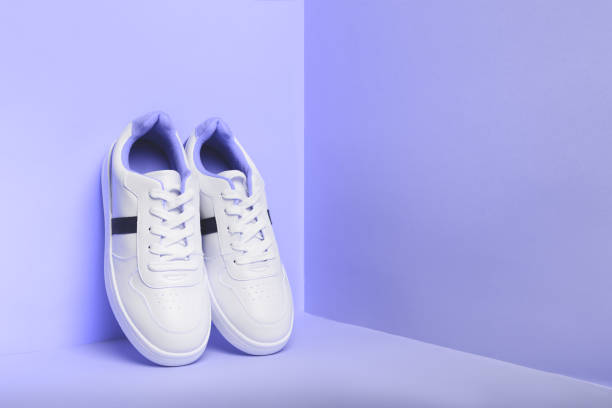
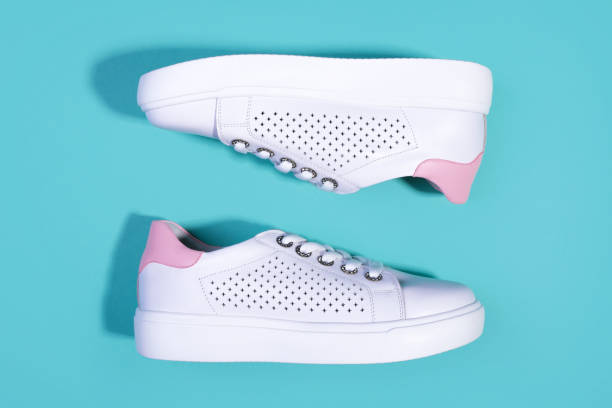
Platform sneakers, a close cousin to the chunky style, also experienced a powerful revival. These shoes lift the wearer several inches off the ground, offering both a dramatic visual boost and a sense of empowerment. The 1990s Buffalo platform sneakers, famously worn by Spice Girls and other pop icons, made a comeback with updated materials and colorways. Designers like Stella McCartney and Gucci incorporated platform soles into sneakers that merged luxury with streetwise edge. The platform’s appeal lies in its ability to transform a casual shoe into a statement piece, granting height without sacrificing comfort. For many wearers, the platform is a tool for reclaiming space and presence in a world that often demands conformity.
Statement sneakers take the chunky and platform concepts even further, incorporating bold patterns, neon colors, metallic finishes, and unconventional materials like transparent PVC, chunky mesh, and exaggerated lacing systems. These designs are not meant to be background players. They demand attention and invite conversation. The rise of statement sneakers reflects a broader cultural shift toward individuality and self-curation. In an age of social media and rapid visual consumption, a pair of extraordinary sneakers can communicate personality, taste, and allegiance to a subculture without a single word. They become wearable art, bridging the gap between sneaker collecting and fine art appreciation.
The cultural significance of this resurgence runs deep. Chunky, platform, and statement sneakers represent a rejection of the sleek, minimal aesthetic that dominated fashion for over a decade. They embrace excess, playfulness, and a sense of history that honors the functional origins of sportswear while transforming them into markers of identity. This movement also democratizes fashion, making high-concept design accessible through collaborations and limited drops that generate excitement across economic divides. Sneakerheads and casual wearers alike can participate in the conversation, whether they are hunting for a rare pair of Yeezy 500s or simply enjoying a colorful pair of platform sneakers from a fast-fashion retailer.
Moreover, the chunky silhouette has become a canvas for storytelling. Each model carries the DNA of its era, from the chunky dad shoes of the 1990s to the avant-garde experiments of contemporary luxury houses. Collectors often seek out vintage iterations, preserving the physical remnants of a time when athletic performance was the sole priority. Meanwhile, new releases push boundaries with sustainable materials, modular designs, and collaborations that cross industries, from musicians to visual artists. The chunky sneaker is no longer just a shoe; it is a vehicle for cultural exchange, a marker of subcultural belonging, and a testament to the cyclical nature of fashion.
As the trend matures, it shows no signs of fading. Designers continue to innovate, blending chunky elements with sleeker profiles, incorporating technical fabrics, and experimenting with environmental consciousness. The chunky sneaker has earned its place as a permanent fixture in the footwear landscape, a symbol of how the once-mundane can be reborn as extraordinary. For enthusiasts and newcomers alike, wearing a pair is an act of embracing history, celebrating individuality, and stepping confidently into a future where style knows no limits.
Articles