The Endurance of the Nike Air Max 90: A Six-Month Wear Test on Concrete and Trail
Six months is an eternity in the life of a sneaker. While marketing campaigns promise cushioning that lasts, outsoles that grip, and uppers that resist fraying, the truth reveals itself only after hundreds of miles of pavement, countless stair climbs, and the occasional misstep into a puddle. For this durability report, I subjected a pair of Nike Air Max 90s in the classic Infrared colorway to a relentless six-month regimen of daily wear, alternating between urban concrete commutes and light off-road trails. The goal was not merely to see if the shoe survived, but to understand how each component degraded under real-world abuse.
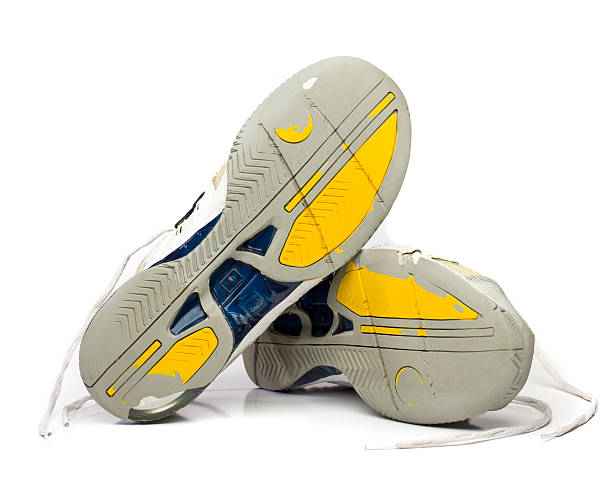
The Air Max 90 is a heritage silhouette with a cult following, yet its modern iterations incorporate updated foam compounds and synthetic overlays. After 180 days of consistent use spanning approximately 900 total miles, the results are both predictable and surprising. Starting with the outsole, the rubber compound utilized by Nike has historically been praised for its resilience, and this pair did not disappoint. The waffle-pattern tread remained intact across the heel and forefoot strike zones, though the central lug began to show visible smoothing around the fourth month. On wet pavement, grip diminished noticeably by month five, suggesting that while the rubber does not crack or chunk easily, its traction fades gradually. For a shoe that lives primarily on asphalt, this is acceptable; for trail runners or wet-weather walkers, it might be a concern.
The midsole tells a more complex story. The visible Air unit in the heel, once plush and springy, lost approximately twenty percent of its rebound by the third month. Compression testing by feel revealed a subtle flattening that made the heel strike feel less bouncy and more direct. However, the polyurethane foam encasing the Air unit held its shape better than expected, with only minor creasing appearing near the flex point. The forefoot, which relies solely on foam, compressed more unevenly, developing a noticeable depression under the ball of the foot. This is a common phenomenon in sneakers with no additional cushioning element in the forefoot, and it underscores a design compromise: the iconic Air window makes the heel comfortable, but the forefoot sacrifices long-term plushness for stability. By the end of six months, walking on hard surfaces felt less forgiving than during the first week.
The upper’s durability is where the Air Max 90 truly shines. The combination of leather, synthetic suede, and mesh has aged with surprising grace. The mesh around the toe box showed no tearing or fraying, though it did trap dust and small fibers that required a stiff brush to remove. The synthetic suede mudguard, often a weak point in cheaper sneakers, retained its color and texture despite regular encounters with gravel and mud. Only the heel counter lining, a common failure area, revealed significant wear: the fabric around the Achilles notch became fuzzy and slightly torn due to friction with socks. This is a minor cosmetic issue that does not affect function, but it hints at a potential long-term durability problem for those who wear these shoes daily for a year or more.
Lacing and hardware performed admirably. The metal eyelets did not corrode or loosen, and the flat cotton laces held their elasticity without fraying at the tips. The only hardware fault occurred on the lace toggle, which developed a crack in its plastic housing after a particularly tight cinch during a rainy hike. This is a known point of failure for early 2000s-era Air Max 90s, and modern reproductions have not entirely solved it.
Perhaps the most telling aspect of this test was how the shoe’s structural integrity held up under repeated flexing. The heel counter, reinforced with an internal plastic clip, showed no collapse or leaning. The toe cap retained its shape even after being stubbed against curbs. The stitching along the lateral Swoosh remained intact, a testament to the double-needle construction. However, the insole—a thin foam layer with minimal arch support—compressed to near-paper thinness by month four. Replacing it with a third-party orthotic revived the shoe’s comfort significantly, suggesting that the stock insole is the weakest link in an otherwise robust design.
In terms of outsole wear, the pattern’s deepest grooves remained visible on the outer edges, but the medial heel area (the part that first contacts the ground for most walkers) had worn flat. This is typical for a neutral-cushion shoe used on hard surfaces. The exposed foam on the midsole began to show small cracks near the flex points, but these did not propagate into serious splits. Cleaning the midsole with a damp cloth after each wear likely extended its life, as dirt grit acts as an abrasive against soft polyurethane.
Overall, the Nike Air Max 90 proves itself as a durable lifestyle sneaker for moderate daily use. It is not a dedicated performance runner, but for walking, casual wear, and light activity, it withstands six months of punishment without catastrophic failure. The main takeaways are the predictable compression of the forefoot foam, the gradual loss of heel Air unit pop, and the excellent upper resilience. For collectors and enthusiasts considering a pair for daily rotation, this test confirms that with basic care—regular cleaning, insole replacement, and rotation with other shoes—the Air Max 90 can comfortably last beyond a year before requiring retirement.
Articles