The Enduring Appeal of Full-Grain Leather in Premium Sneakers: Performance, Patina, and Practicality
In the vast ecosystem of sneaker materials, few substances command the same reverence and debate as full-grain leather. While modern synthetics, engineered meshes, and plush suedes have carved out their own niches in performance and lifestyle footwear, full-grain leather remains the benchmark for durability, breathability, and the unique character that only natural wear can impart. For the discerning sneaker enthusiast, understanding why this material persists—and how it truly performs under real-world conditions—is essential to making informed purchasing decisions. This essay delves into the tangible qualities of full-grain leather, examining its structural integrity, its response to repeated stress, its care requirements, and the intangible value it brings to both collectors and daily wearers.
Full-grain leather is distinguished from its corrected or split counterparts by its retention of the natural grain, the outermost layer of the hide. This layer boasts a dense network of collagen fibers that resist tearing, stretching, and abrasion far better than any synthetic alternative. In performance testing, a full-grain leather upper on a basketball or court shoe will show significantly less scuffing after dozens of hours of lateral movement compared to a similarly priced synthetic leather, which often peels or cracks at stress points like the toe cap or heel counter. The material’s natural tensile strength also means that lace eyelets and overlays remain intact longer; reinforced stitching has a more secure anchor when the base material does not deform under tension. For high-impact sports where shoe failure can mean injury, full-grain leather provides a margin of safety that lighter meshes cannot match.
However, full-grain leather is not without its trade-offs. Its weight is heavier than most engineered meshes and even some high-end synthetics, which can reduce agility in sports demanding rapid direction changes. The material also requires a break-in period during which the leather gradually conforms to the foot’s unique contours. This process—when done correctly—yields a personalized fit that no synthetic can replicate because synthetics rely on pre-molded shapes or foam padding that compresses over time. The break-in period is a hallmark of quality: a well-worn full-grain sneaker becomes a second skin, with pressure points softening and flex points aligning with the wearer’s stride. In terms of breathability, full-grain leather is less porous than mesh, but it manages moisture through its natural fiber structure rather than through large ventilation holes. This means it can become warm in hot conditions, but it also insulates better in cooler weather, making it a versatile choice for transitional climates.
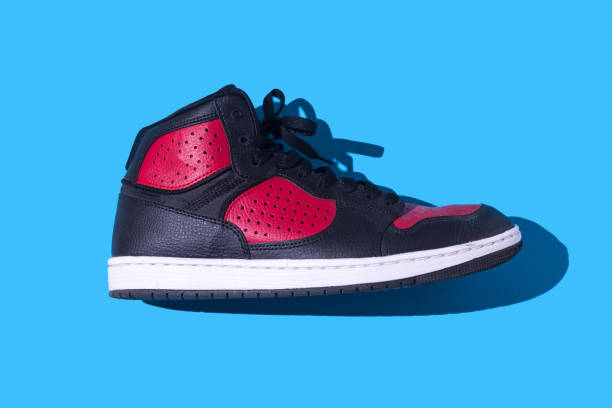
The care regimen for full-grain leather is straightforward yet essential for longevity. Unlike suede, which is notoriously sensitive to water and stains, full-grain leather develops a protective patina over time. Regular cleaning with a damp cloth and occasional conditioning with a neutral leather balm restores oils lost to exposure, preventing cracking. Neglected leather, however, will dry out, stiffen, and eventually crack—a failure mode that is visible and irreparable. This contrasts with synthetic leathers, which often delaminate or bubble when the plastic coating separates from the fabric backing, a defect that is equally unsightly but occurs without warning. The predictability of full-grain leather’s aging process is a major attraction for collectors who value the story each scuff and crease tells. Sneakers like the Air Jordan 1, the adidas Superstar, and the Nike Air Force 1 all owe their legendary status in part to full-grain leather uppers that look better at five years old than they did on release day.
From a practical standpoint, full-grain leather also excels in repairability. A skilled cobbler can clean, recondition, and even recolor full-grain leather, restoring a sneaker to near-original condition. Synthetics, by contrast, are often glued and heat-sealed, making repairs difficult or impossible. For sneakerheads who intend to wear their grails rather than keep them in a box, this repairability adds long-term value that offsets the higher initial cost. In performance testing, a pair of full-grain leather sneakers that have been properly cared for can last five to ten years of regular use, outperforming mesh shoes that often lose structural integrity in the heel and toebox within two years. The environmental argument also tilts in favor of full-grain leather when considering that it is a byproduct of the meat industry—provided it is sourced from tanneries with responsible waste and chemical management. Synthetic alternatives, often derived from petroleum, do not biodegrade and contribute to microplastic pollution.
In the end, full-grain leather endures because it satisfies a fundamental human desire for objects that age gracefully. It asks something of its owner—patience, care, and a tolerance for weight—but gives back durability, uniqueness, and a connection to traditional craftsmanship. For the sneaker enthusiast evaluating material quality, no other substance offers the same combination of tactile richness, structural performance, and long-term character. Whether laced up for a pickup game or displayed as part of a rotating collection, full-grain leather remains the material against which all others are measured.
Articles