The Enduring Rivalry: Air vs. Boost in Modern Sneaker Cushioning
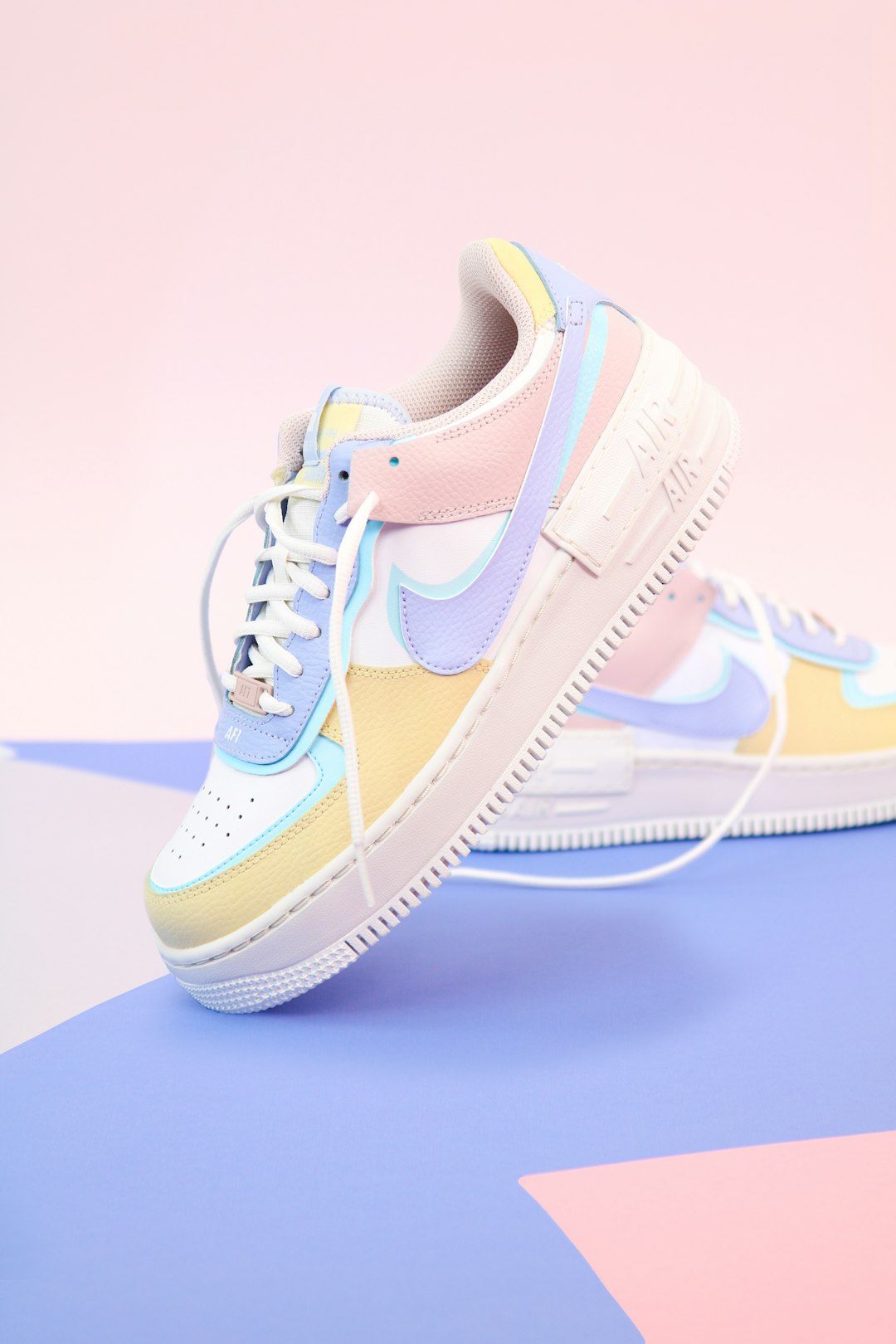
No two cushioning technologies have shaped the sneaker industry more profoundly than Nike Air and Adidas Boost. Their decades-long rivalry is not merely a marketing battle but a fundamental divergence in engineering philosophy that continues to influence how athletes, runners, and casual wearers experience every step. Understanding the differences between these two systems requires a deep dive into their material science, performance characteristics, and the way they interact with the human gait cycle over extended use.
Nike Air debuted in 1978 with the Tailwind, a pressurized gas encapsulated within a flexible polyurethane bladder. The core premise was simple yet revolutionary: trapped air molecules compress upon impact and then expand, absorbing shock and returning energy. Over the decades, Nike refined the technology into multiple generations—from visible Air units in the Air Max line to the pressurized Zoom Air bags used in basketball and running. The key advantage of Air lies in its tunability. By altering the pressure, bladder thickness, and placement within the midsole, engineers can create highly localized cushioning zones. A Zoom Air unit responds instantaneously with a snappy, low-profile feel that prioritizes ground feedback, while a full-length Air Max unit offers a plush, floating sensation. This versatility allows Nike to design shoes that feel dramatically different depending on the intended use—a sprinter and a marathoner can both wear Air, but the experience will be tailored to their specific needs.
Adidas responded in 2013 with Boost, a radical departure from foam and gas. Developed in partnership with German chemical giant BASF, Boost consists of thousands of thermoplastic polyurethane (TPU) pellets that are expanded and fused together under heat and pressure. The result is a foam-like material where each tiny bead acts as an independent energy capsule. Unlike Air, which relies on a sealed gas chamber, Boost provides energy return through the elastic deformation of the TPU particles. When you land, the beads compress and then rapidly snap back to their original shape, releasing energy and propelling you forward. Quantitatively, Boost consistently delivers around 70 to 75 percent energy return, a figure that rivals and often exceeds the best Air units. But the qualitative difference is even more striking: Boost feels soft yet bouncy, with a creamy, continuous ride that many runners describe as addictive. It does not bottom out under heavy loads, and it maintains its properties across a wide temperature range, whereas cold weather can stiffen some Air units.
Performance testing reveals critical nuances between the two technologies. In lab conditions, mechanical impact tests show that both systems dissipate shock effectively, but they do so on different timescales. Air units exhibit a rapid initial compression followed by a sharp rebound, which can translate to a slightly jarring sensation on hard landings if the pressure is too low. Boost, by contrast, decelerates the foot more gradually and then delivers a smoother, more sustained push-off. This makes Boost particularly appealing for long-distance runners who need consistent cushioning mile after mile, whereas Air often feels more responsive for shorter, high-intensity efforts like sprints or court sports. Independent studies by footwear testing labs have found that while both technologies reduce peak impact forces by comparable margins, Boost tends to lower the rate of loading—the speed at which force is applied—which is believed to reduce the risk of stress fractures and overuse injuries in repetitive running gaits.
Durability is another battleground. Air units are vulnerable to punctures and can lose pressure over time, especially in high-wear areas of the forefoot. Once a bladder is compromised, the cushioning collapses entirely. Boost, however, is remarkably resilient. The fused TPU pellets do not compress permanently even after hundreds of miles, and the material is resistant to both compression set and temperature degradation. Studies of retired running shoes have shown that Boost midsoles can retain up to 90 percent of their original energy return after 500 kilometers, while comparable Air units may lose 15 to 20 percent of their performance due to bladder fatigue and micro-leaks. This longevity advantage has made Boost a favorite among high-mileage runners and those who want their investment to last longer.
Yet the choice between Air and Boost is not purely technical; it is deeply personal and influenced by the nuances of individual biomechanics. A runner with a heavy heel strike might prefer the plushness of a full-length Air Max unit to absorb peak forces, while a forefoot striker could favor the spring-like response of Zoom Air under the ball of the foot. Boost, with its uniform softness, pleases many runners but can feel unstable for those who need a firmer platform for lateral movements or weightlifting. Sneaker designers have also learned to blend these technologies—Nike now combines Zoom Air pods with React foam, while Adidas mixes Boost with firmer EVA frames—blurring the lines and creating hybrid systems that aim to capture the best of both worlds.
The rivalry continues to evolve. Nike has invested heavily in supercritical foams like ZoomX, which rival Boost’s energy return while being significantly lighter. Adidas, meanwhile, has experimented with carbon-infused Boost and Lightstrike Pro to reduce weight without sacrificing the signature bounce. What remains clear is that both Air and Boost represent landmark achievements in material engineering. They have democratized high-performance cushioning, allowing everyone from elite athletes to weekend joggers to experience a level of comfort and energy efficiency that was unimaginable fifty years ago. The ultimate verdict is not which technology is superior, but which one aligns with your unique stride, your preferred feel, and the demands of your activity. The battle between pressurized gas and fused beads is far from over, and that is excellent news for anyone who loves to run, jump, and simply walk through the world in a great pair of sneakers.