The Air Jordan Legacy: How a Basketball Shoe Redefined Sneaker Culture
In 1984, a struggling athletic shoe company took a monumental risk. Nike, then a rising but still second-tier player behind Adidas and Converse, signed a rookie basketball player named Michael Jordan to a five-year endorsement deal worth $2.5 million. It was an astronomical sum for a player who had yet to play a single NBA game. That gamble did not just pay off; it reshaped the entire landscape of sports marketing, sneaker design, and global fashion. The Air Jordan line became far more than a basketball shoe. It became a cultural artifact, a symbol of rebellious excellence, and the foundation upon which Nike built its dominance.
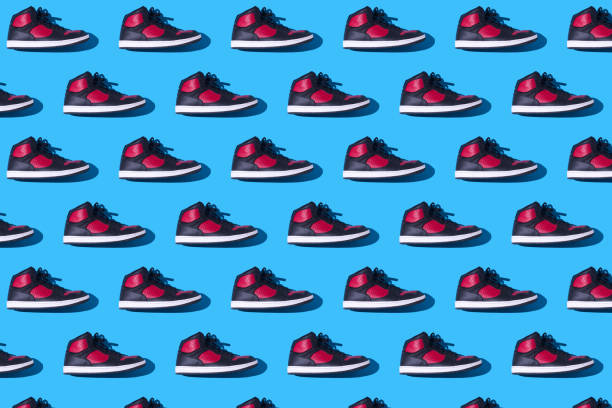
The original Air Jordan 1, released in 1985, immediately courted controversy. The NBA fined Jordan $5,000 every time he wore the shoe’s black and red colorway because it violated the league’s uniform policy requiring shoes to match teammates’ footwear. Nike seized the opportunity, paying the fines and running advertisements that framed the shoe as forbidden fruit. “The NBA can’t stop you from wearing them,” the tagline read. That outlaw narrative resonated deeply with a generation of young consumers who saw Jordan’s game—and his shoes—as a statement of individuality. The Air Jordan 1 sold over $100 million in its first year, far exceeding projections.
Technological innovation has been a consistent thread throughout the line’s history. The Air Jordan 3 introduced visible Air cushioning in the heel, a feature that became a signature for the brand. The Air Jordan 5 added reflective tongues and translucent outsoles. The Air Jordan 11 incorporated carbon fiber shanks and patent leather, a material normally reserved for formal wear, blurring the line between athletic performance and luxury. Each new model pushed the boundaries of what a basketball shoe could be, both functionally and aesthetically. Years later, the Air Jordan line adopted Flyknit uppers, Zoom Air units, and other modern technologies, ensuring that the shoes remained relevant on the court even as they became iconic off it.
Off the court, the cultural impact of Air Jordans is immeasurable. In the 1980s and 1990s, the shoes became a status symbol in urban communities, worn by rappers, breakdancers, and everyday kids who idolized Michael Jordan’s airness. Hip-hop artists name-dropped Air Jordans in lyrics, and movies like “Do the Right Thing” featured the shoes as symbols of desire and conflict. The limited-release model that Nike pioneered with the Air Jordan line—producing small quantities to create scarcity and hype—laid the groundwork for the modern sneaker resale economy. Today, a rare pair of Air Jordans can sell for tens of thousands of dollars on the secondary market. The annual release of retro colorways turns into global events, with lines forming outside stores days in advance.
The business ramifications of the Air Jordan phenomenon extend far beyond the shoe itself. The Jordan Brand became a standalone subsidiary of Nike in 1997, now generating billions of dollars in annual revenue. It introduced the concept of an athlete having his own signature line with complete creative and marketing control, a model that every major sports star since has tried to emulate. Michael Jordan’s partnership with Nike changed the way companies approach endorsements, shifting from mere product placement to full-blown brand collaborations that build narratives around individual athletes. The snaking Swoosh on a pair of Jordans is no longer just a logo; it is a mark of heritage, exclusivity, and excellence.
Decades after that first controversial black and red shoe, the Air Jordan line continues to evolve. Retro releases keep older collectors engaged, while new silhouettes like the Air Jordan 34 and 35 attract modern players with cutting-edge performance. Collaborations with high-fashion houses such as Dior and Off-White have elevated the shoe into the realm of luxury goods. The line has transcended its basketball origins to become a staple of streetwear, high fashion, and everyday casual style. It is worn by presidents and prisoners, by athletes and artists, by grandmothers and toddlers.
The Air Jordan story is ultimately a story about the power of a single idea executed with relentless precision. Nike identified a talent, created a product that matched his persona, and then told a story so compelling that the shoes became inseparable from the player. Michael Jordan’s greatness on the court gave the shoes credibility, but the marketing genius, the design innovation, and the cultural timing turned them into an enduring myth. Today, the Air Jordan line stands as the most iconic sneaker franchise in history, a testament to how a shoe can transcend its function and become a symbol of human aspiration. It is not merely a part of sneaker history; it is the axis around which modern sneaker culture spins.
Articles