
The Essential Guide to Training and Cross-Training Footwear
In the world of athletic performance, footwear is not a one-size-fits-all proposition. The distinction between training shoes and cross-training shoes is critical, yet often misunderstood. Choosing the correct category is the foundational step to effective, safe, and versatile workouts. This is not about hype or collector culture; it is about engineering and purpose-built design for specific physical demands.
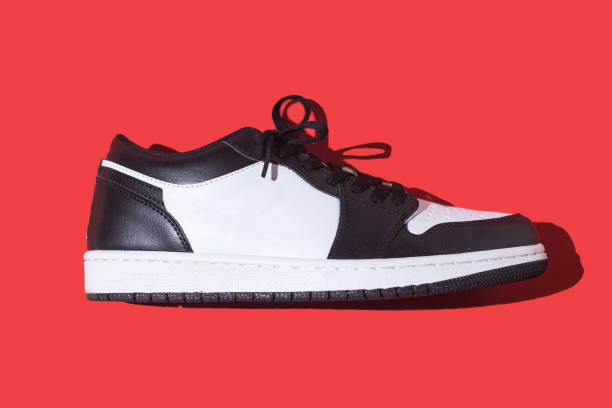
Training shoes are designed for linear, gym-based movements. Their primary focus is on stability and support during weightlifting, machine work, and exercises performed in a single plane of motion. Key features include a firm, non-compressible heel to provide a solid base for squats and deadlifts, a flat outsole for optimal ground contact, and a secure, often reinforced upper to lock the foot in place during lateral shifts. The cushioning is typically minimal and responsive, prioritizing force transfer and stability over plush comfort. Wearing a running shoe, with its elevated, soft heel, for heavy lifting is a recipe for instability and potential injury. The training shoe exists to prevent that, creating a stable platform from which to generate power.
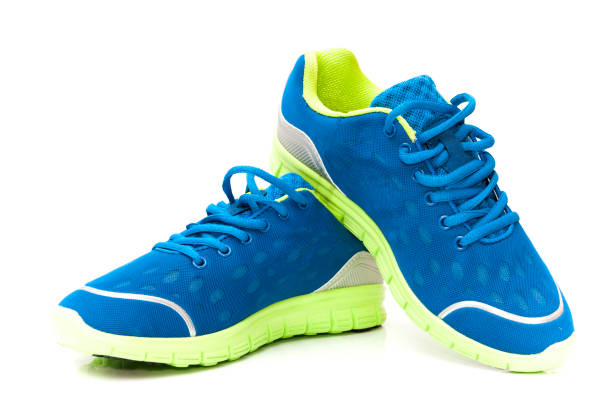
Cross-training shoes, however, are built for chaos. They are the utility players of the footwear world, engineered to handle a wide, unpredictable variety of movements. A typical CrossFit, HIIT, or functional fitness class might demand box jumps, rope climbs, short sprints, kettlebell swings, and burpees in rapid succession. The cross-trainer answers this call with a balanced design. It offers more cushioning than a pure training shoe for impact from jumps, yet retains a relatively flat and stable base for lifting. The outsole is designed for multi-directional grip, allowing for quick cuts and pivots. The upper is durable to withstand rope abrasion and flexible to allow for natural foot flexion during dynamic movements. It is a master of none, but competent in all, sacrificing peak performance in any single discipline for broad capability across many.
The choice between the two hinges entirely on your workout regimen. If your routine is centered on the weight rack—focused on barbell lifts, dumbbell presses, and controlled machine exercises—a dedicated training shoe is the indispensable tool. It provides the specific stability your heavy lifts require. Conversely, if your fitness is defined by variety, metabolic conditioning, and constantly varied functional movements, the cross-trainer is your essential partner. It provides the adaptable support needed to transition seamlessly between disparate exercises. For the individual who does both, maintaining a dedicated pair for heavy strength days and a cross-trainer for conditioning days is the optimal, no-nonsense approach.
At Sneakerholic, we cut through the marketing to examine the construction. We analyze the foam densities, the torsional rigidity, the outsole rubber compounds, and the heel-to-toe drops. Understanding these elements—the why behind the design—is what allows an enthusiast to make an informed performance purchase. From the legacy of iconic, durable designs that defined gym culture to the latest tech-driven releases, the evolution of training and cross-training footwear is a story of solving specific athletic problems. Your workout demands precision. Your footwear should match that demand. Choose based on function, and you build a foundation for better, safer, and more effective performance.
Articles