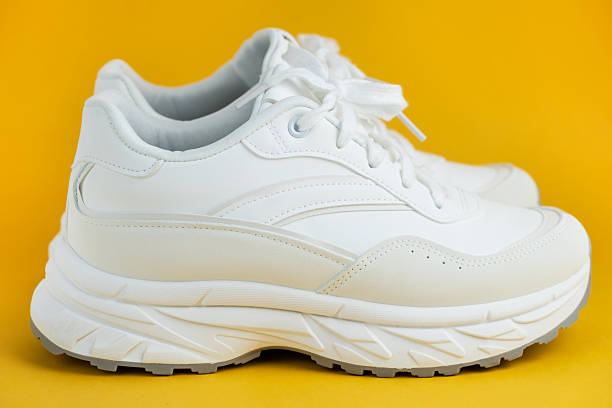
The Essential Performance Features of a Modern Basketball Sneaker
The basketball sneaker has evolved from a simple canvas high-top into a sophisticated piece of athletic engineering, a critical tool that can influence a player’s performance, safety, and confidence on the court. While style and cultural cachet often dominate the conversation, the foundational purpose of a basketball shoe is to enhance athletic performance while mitigating the immense physical demands of the sport. A good basketball sneaker is therefore defined by a harmonious integration of several key performance features, each addressing the unique biomechanics of the game.
At the very foundation lies cushioning, arguably the most critical element. Basketball involves constant high-impact movements—jumping, landing, and sprinting—that generate forces several times a player’s body weight. Effective cushioning, typically employing advanced foam compounds or air units, absorbs this shock to protect the joints, particularly the knees and ankles, from repetitive stress. However, cushioning is a delicate balance; it must be responsive as well as protective. A shoe that is too soft can create an unstable, energy-sapping platform, while one that is too firm offers little protection. The ideal system provides a cushioned landing and a springy, energetic return for explosive take-offs, allowing a player to move efficiently and with less fatigue over four quarters.
Directly linked to cushioning is the concept of court feel and stability. Court feel refers to how connected a player feels to the playing surface, essential for precise footwork, sharp cuts, and maintaining balance. This is often achieved through a lower profile midsole and a thin, yet protective, outsole. Stability, however, prevents excessive foot roll, both from side-to-side movements and upon landing. Features like a wider base, reinforced heel counters, and strategic midfoot shanks or torsional plates work to keep the foot centered and secure over the platform. A stable shoe ensures that the foot and ankle are properly aligned, reducing the risk of sprains and providing the confidence to plant and change direction aggressively without fear of the shoe buckling.
Traction is the non-negotiable interface between the athlete and the court. Without it, all other features are rendered useless. A high-performance outsole uses a rubber compound with the right balance of stickiness and durability, patterned with a multidirectional herringbone or geometric tread. This pattern must bite into the court surface to prevent slipping during lateral shuffles, sudden stops, and explosive drives to the basket. Consistent traction allows for definitive movements, enabling defensive slides, controlled crossovers, and powerful jumps without the mental hesitation of a potential slip. The best traction patterns consider dust accumulation and are designed to self-clean with natural foot movement.
Finally, the fit and containment system acts as the essential harness, locking the foot securely into the cushioned and stable platform. A proper basketball fit is snug—often described as “one-to-one”—without being constrictive, preventing any harmful internal foot movement that can lead to blisters or a loss of control. Modern uppers, constructed from engineered meshes, textiles, or synthetic overlays, aim to provide adaptive support that moves with the foot. Containment features, such as dynamic lacing systems, internal booties, and molded heel counters, wrap the foot to ensure it does not overhang the shoe’s base during hard cuts. This secure fit ensures that the foot works in unison with the shoe, translating the player’s intentions directly to the court without lag or slippage.
In conclusion, a superior basketball sneaker is a symphony of interdependent components. It is not defined by a single standout feature but by the cohesive integration of responsive cushioning, a stable and connected platform, relentless traction, and a secure, adaptive fit. These elements work in concert to protect the athlete from injury, enhance their natural athletic abilities, and provide the foundational confidence required to perform at the highest level. While aesthetics will always play a role, it is this dedicated focus on performance engineering that truly separates a good basketball sneaker from a great one.
Articles