The Evolution of Color Trends in Sneaker Culture: From Spring Pastels to Fall Earth Tones
Color is perhaps the most visceral language of sneaker culture, a silent but powerful grammar that speaks to mood, season, and identity. Within the rhythmic cycle of fashion, two distinct palettes dominate the sneaker landscape: the soft, optimistic hues of spring pastels and the grounded, introspective shades of fall earth tones. Understanding how these color families have evolved, how they are worn, and why they resonate so deeply with enthusiasts reveals not just a seasonal shift in shoelaces but a broader cultural conversation about self-expression through footwear.
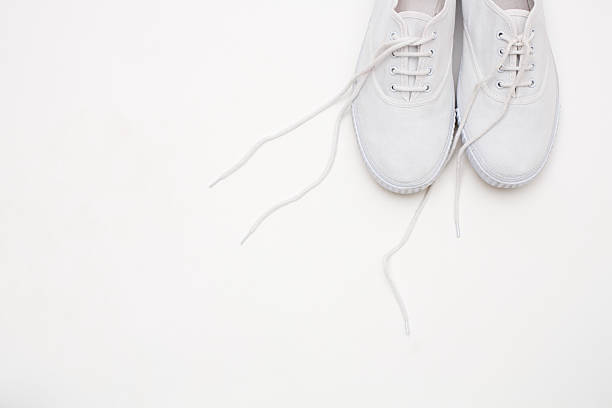
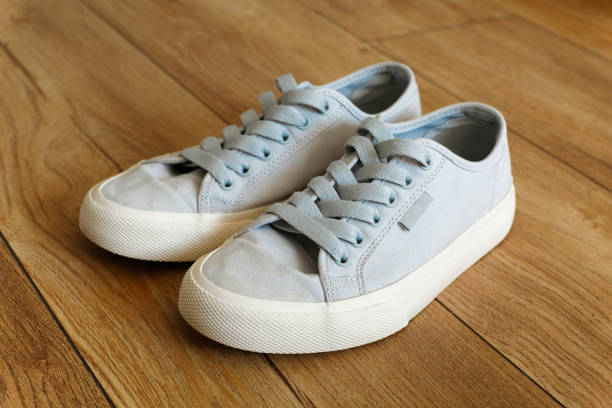
Spring pastels in sneakers are not a recent invention. Their origins can be traced to the late 1980s and early 1990s, when brands like Nike and Reebok began experimenting with lighter colorways to break away from the dominance of white, black, and red. The introduction of the Air Max series in pastel pinks, mint greens, and baby blues offered a fresh alternative for runners and casual wearers alike. These colors carried an implicit promise of renewal and playfulness, perfectly aligning with the season’s awakening after winter’s monochrome. In the contemporary landscape, spring pastels have become a staple for limited-edition releases. Brands now drop meticulously curated “spring packs” that feature lavender, butter yellow, and powder blue on iconic silhouettes such as the Air Jordan 1, New Balance 990v5, and Adidas Stan Smith. The appeal lies in their versatility: a pastel sneaker can soften a structured denim outfit, add a pop of joy to a neutral trench coat, or serve as the sole vibrant note in an otherwise muted ensemble. Stylists often recommend pairing pastel sneakers with white or cream bottoms to let the color breathe, or with contrasting pastels for a tonal, candy-like look that feels both retro and modern.
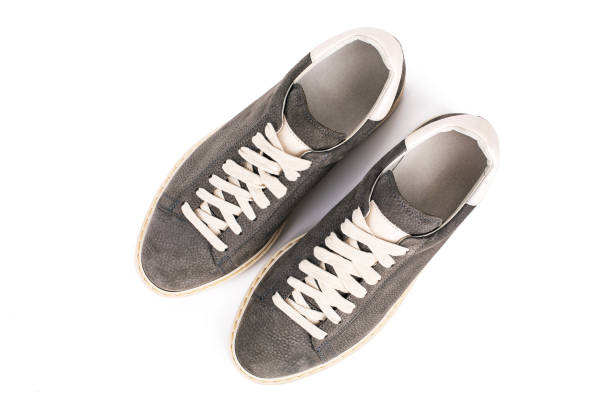
As the calendar turns to autumn, the sneaker color wheel rotates 180 degrees. Fall earth tones—olive greens, burnt oranges, deep browns, muted ochres, and taupe grays—take center stage. These colors draw their power from nature, evoking fallen leaves, bark, soil, and stone. The rise of earth tones in sneaker fashion is inextricably linked to the broader trend of “gorpcore” and outdoor-inspired aesthetics. Technical hiking brands like Salomon, Merrell, and Hoka have popularized trail-ready sneakers in these hues, while heritage brands such as Timberland and Clarks have long built their identities around leather boots and loafers in rich browns. Yet the infiltration of earth tones into mainstream sneaker culture accelerated in the mid-2010s, when high-fashion collaborations began to reinterpret classic models using sustainable or earthy materials. The result is a sneaker that feels both rugged and refined. Styling fall earth tones requires a different approach. Rather than relying on contrast, enthusiasts lean into texture and layering. A pair of olive Air Force 1s can anchor a corduroy trouser and wool sweater combination, while a rust-colored Asics Gel-Kayano 14 pairs beautifully with dark denim and a leather jacket. The unifying principle is harmony: earth tones work best when they echo the colors of the natural environment around them, creating a cohesive, effortless silhouette.
The psychological underpinnings of these seasonal color preferences are equally fascinating. Spring pastels are associated with softness, new beginnings, and a sense of airy openness. They invite lightness of foot and spirit, often appearing more frequently on younger demographics or in sneakers intended for casual, social settings. Fall earth tones, by contrast, convey stability, warmth, and maturity. They are the colors of harvest and hibernation, of settled comfort. Sneakerheads often describe earth-tone pairs as “grown-up” sneakers—versatile enough for the office or a commute, yet still possessing the technical credibility that defines the collector community. This duality is part of what makes sneaker culture so rich: the same consumer can own a pair of pastel Dunks for a spring brunch and a pair of chocolate brown New Balance 993s for a fall weekend hike, each pair expressing a different facet of personality.
Brand strategies have also evolved to anticipate and exploit these seasonal shifts. Release calendars are now meticulously timed. February and March see a flood of pastel colorways, often tied to holidays like Easter or spring break. Come September and October, the same silhouettes appear in muted, organic tones, sometimes with nubuck or suede material upgrades to further the earthbound feel. Limited-edition collaborations with outdoor brands or artists who work with natural pigments reinforce the narrative. For collectors, owning a seasonal palette is not merely about fashion; it is about participation in a shared cultural rhythm. The sneaker becomes a timestamp, a marker of a particular season’s mood.
Ultimately, the journey from spring pastels to fall earth tones is a journey through the year itself, reflected on foot. Whether you are lacing up a pair of lavender Asics on a blooming April morning or stepping into a pair of walnut-brown Diadora on a crisp November afternoon, your sneakers are telling a story of time, place, and personal style. That story is what keeps sneaker culture vibrant, season after season.
Articles