The Evolution of Lateral Support Technology in Tennis Shoes: From Canvas to Carbon Fiber
The explosive lateral movement required in tennis places immense strain on the foot and ankle, demanding footwear that can resist collapse during quick directional shifts. Lateral support has never been an afterthought in tennis shoe design; it is the very foundation upon which court performance is built. Over the decades, the technology underpinning this critical feature has undergone a remarkable transformation, evolving from simple canvas high-tops to sophisticated systems incorporating woven carbon fiber, dynamic lacing, and multi-density foams.
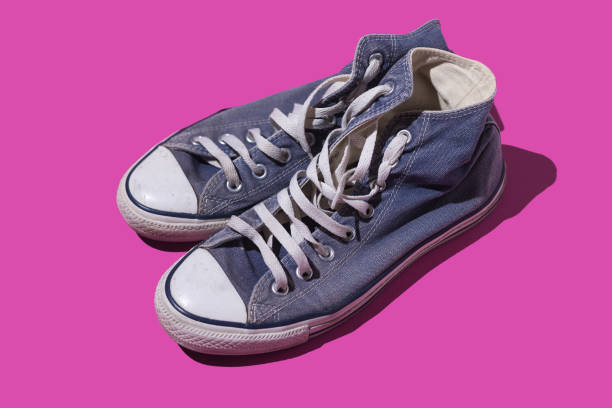
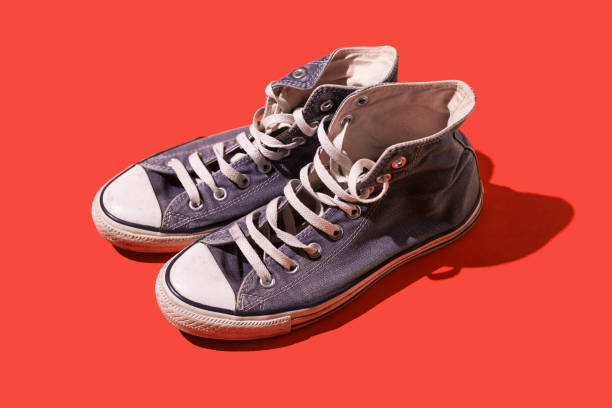
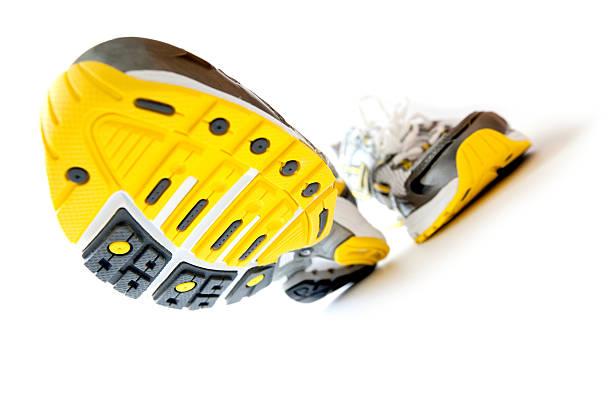
In the earliest days of the sport, players wore simple canvas sneakers with flat rubber soles. These shoes offered negligible lateral support, relying instead on the player’s own ankle strength. The introduction of the classic leather tennis shoe in the 1960s brought a stiffer upper, but the real breakthrough came with the advent of the modern tennis shoe in the 1970s. Brands recognized that the herringbone tread pattern, originally developed for traction, could be complemented by outrigger extensions at the lateral forefoot. This simple geometric flare widened the base of support, providing a subtle but effective resistance against rollover during side-to-side shuffles. The outrigger remains a staple of lateral support design today, proving that some of the most enduring innovations are also the simplest.
The 1980s and 1990s saw an explosion of proprietary technologies. Nike introduced the Air cushioning system, but more importantly for lateral support, they developed the iconic cross-strap designs on models like the Nike Air Trainer and later the Air Zoom Tennis line. These straps, often made of synthetic leather or nylon webbing, cinched the midfoot securely, locking the foot in place over the platform. Simultaneously, Adidas responded with its Torsion system, a thermoplastic arch bridge that allowed forefoot and heel to move independently while resisting twisting. This torsional rigidity became a benchmark for lateral stability, as a shoe that twists too easily cannot effectively transfer force during a sudden stop or cut.
The turn of the millennium ushered in a new era of material science. Traditional leather uppers gave way to lightweight synthetics and mesh, but these softer materials reduced inherent structural support. Engineers compensated by integrating external heel counters—rigid plastic cups that cradle the calcaneus—and by developing TPU (thermoplastic polyurethane) cages that wrap the midfoot and heel. The K-Swiss Si-18 and the Adidas Barricade series exemplified this approach, using molded TPU shanks and medial postings to create a chassis that resisted lateral collapse without adding excessive weight. The Barricade, in particular, became famous for its built-in drag tip and massive outrigger, but its true genius lay in the underlying torsion chassis that locked the foot over the midsole.
Perhaps the most significant leap in lateral support technology came with the adoption of carbon fiber plates. Initially reserved for running shoes seeking energy return, carbon fiber found a natural home in tennis footwear due to its exceptional stiffness-to-weight ratio. The Nike Vapor Cage series integrated a carbon fiber shank that ran from the arch to the lateral forefoot, preventing the shoe from buckling under extreme loads. Asics took a different route with its Gel Resolution line, employing a Trusstic System made from a high-stiffness thermoplastic along with a lateral forefoot wrap that extends the outsole up the side of the upper. This wrap, often rubberized, acts as a secondary braking mechanism, catching the foot as it tries to slide over the edge of the sole.
Modern tennis shoes now layer these technologies in increasingly sophisticated ways. Dynamic lacing systems, such as those found on the On Tennis Roger line, allow for micro-adjustments that optimize the fit around the midfoot and ankle, reducing heel slip and the internal rotation that leads to ankle sprains. Foam compounds have also evolved: dual-density midsoles place a firmer foam on the medial and lateral edges, creating an internal bucket that cradles the foot. The concept of “ground feel” is balanced against the need for a stable platform, so today’s designs use low-profile midsoles with wide bases to lower the center of gravity while maintaining responsiveness.
The future of lateral support lies in adaptive materials and data-driven design. We are already seeing prototypes that use woven carbon fiber uppers that can be tuned for stiffness in specific zones, while 3D-printed midsoles allow for lattice structures that compress laterally under load but stiffen in tension. Sensors embedded in court floors and shoes will one day provide real-time feedback on pronation and lateral displacement, helping athletes and designers fine-tune support for individual movement patterns. However, the fundamental challenge remains unchanged: a tennis shoe must move with the foot during acceleration, yet resist motion during sudden lateral stops. The evolution from canvas to carbon fiber is not just a story of better materials but of a deeper biomechanical understanding of how the foot interacts with the court surface.
Players at every level benefit from this progression. Recreational players find that a modern tennis shoe with an outrigger, a stiff heel counter, and a supportive midfoot wrap dramatically reduces fatigue and risk of injury, while professionals demand shoes that can withstand thousands of cuts and slides over a single match. Lateral support is no longer a singular feature but a holistic integration of upper, midsole, outsole, and lacing systems. As the game continues to evolve—with faster surfaces and more aggressive movement patterns—the technology behind lateral support will continue to push forward, ensuring that the next generation of tennis shoes offers even greater protection and performance on the court.
Articles