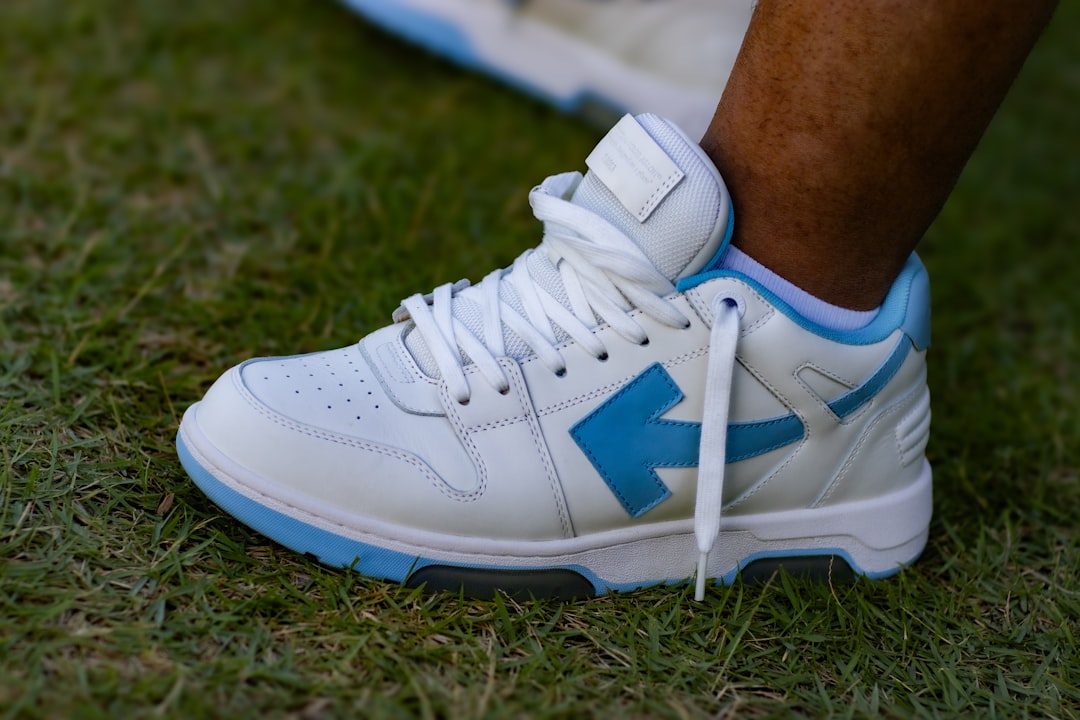
The Hybrid Athlete: Why Cross-Training Shoes Are Essential for Modern Workouts
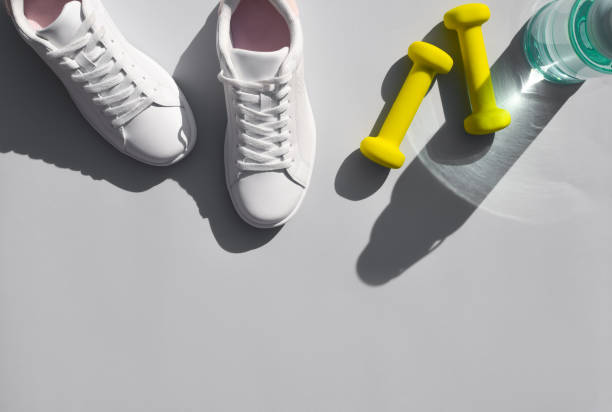
The modern fitness landscape has undergone a radical transformation. Gone are the days when a gym-goer would stick to a single discipline—pounding the treadmill exclusively, or only lifting weights in a corner. Today’s athlete is a hybrid, seamlessly moving from a heavy squat session to a high-intensity interval circuit, then onto a short sprint or a plyometric box jump. This shift demands footwear that can do it all. Cross-training shoes, often misunderstood as simply a “gym sneaker,” are engineered for exactly this versatility. They bridge the gap between the rigid stability of a weightlifting shoe and the plush cushioning of a running shoe, offering a balanced platform that supports agility, strength, and endurance in a single package.
At the heart of every effective cross-training shoe lies a design philosophy centered on stability and lateral support. Unlike running shoes, which are built primarily for forward motion with a pronounced heel-to-toe drop, trainers for cross-training feature a flatter, more stable base. This lower drop, typically between four and six millimeters, allows the foot to sit closer to the ground, improving proprioception and balance during lifts like deadlifts or kettlebell swings. The outsole is often wider and more robust, with a tread pattern that grips the floor during explosive movements such as burpees or lateral shuffles. Perhaps the most critical structural element is the reinforced midfoot, which resists twisting when the athlete changes direction quickly. This lateral stability is what prevents ankle rolls during agility drills and provides a solid foundation for single-leg exercises.
Cushioning in a cross-training shoe is a careful compromise. Too much soft foam, and the shoe becomes unstable under heavy loads; too little, and the impact from box jumps or running intervals becomes punishing. Most high-quality cross-trainers employ a responsive midsole material—often a blend of EVA foam with a firmer density—that absorbs shock without sacrificing ground feel. Some brands incorporate a removable insole to accommodate orthotics or to allow the athlete to fine-tune the fit for different activities. The heel, in particular, is engineered to be firm enough to support heavy squats yet resilient enough to handle landing from a jump. This duality is what makes the cross-trainer so indispensable for mixed-modal workouts like CrossFit, circuit training, or boot camp classes where no two exercises are the same.
Icons of this category, such as the Nike Metcon series, the Reebok Nano line, and the Under Armour Project Rock, have each carved out a distinct identity. The Metcon, for example, emphasizes a rope-climbing guard and a wide, flat heel for stability during Olympic lifts. The Nano, by contrast, has a slightly more flexible forefoot that accommodates gymnastics movements like handstands and muscle-ups. Under Armour’s Project Rock, co-developed with Dwayne Johnson, offers maximal cushioning for high-impact landings while retaining a locked-down fit for lateral cuts. These models, and others like them, have become Hall of Fame contenders precisely because they solve a real problem: the need for one shoe that refuses to compromise on safety, comfort, and performance across a wide spectrum of physical demands.
Choosing the right cross-trainer requires an honest assessment of one’s own training habits. An athlete who focuses heavily on Olympic weightlifting will prioritize a lower, stiffer heel and a roomier toe box. Someone who incorporates a lot of running—even short bursts—should look for a shoe with slightly more forefoot cushioning and a breathable upper. Those who spend time on climbing ropes or doing pull-ups need a durable mesh or synthetic upper that can withstand abrasion, along with a reinforced toe cap. Trying on shoes later in the day, when feet are slightly swollen, and wearing the same socks used for workouts, helps ensure a proper fit. A thumb’s width of space between the longest toe and the shoe’s end is ideal, as is a snug but not constricting heel lock.
Caring for these versatile shoes extends their lifespan and preserves their performance. Rotating between two pairs allows the midsole foam to decompress fully between sessions. Cleaning them with a soft brush and mild soap, never in a washing machine, prevents the breakdown of adhesives and materials. Storing them in a cool, dry place away from direct sunlight protects the rubber and foam from premature deterioration. Most importantly, recognizing when a cross-trainer has reached the end of its useful life—typically after three to six months of regular, heavy use—prevents injury. The loss of midsole resilience, visible creasing in the forefoot, or worn outsole tread are clear signals that it is time for a replacement.
The rise of functional fitness has cemented the cross-training shoe as a staple in every athlete’s rotation. It is not a compromise but a specialized tool designed for a specialized era of training. Whether the goal is building raw strength, improving cardiovascular endurance, or mastering bodyweight skills, the right pair of cross-trainers provides the foundation upon which all other progress is built. For the hybrid athlete who refuses to be boxed into a single discipline, these shoes are not just an accessory—they are the essential connection between intention and motion.
Articles