The Real Deal: Your No-Nonsense Guide to Spotting Fakes and Staying Safe
In the high-stakes world of sneaker collecting, authenticity isn’t just a preference; it’s the entire foundation of the culture. The thrill of the hunt, the value of a collection, and the very respect within the community hinge on one thing: knowing the real from the replica. For those deep in collector culture and the resale market, protecting yourself is a non-negotiable skill. This is your direct guide to sharpening your eye and safeguarding your passion.
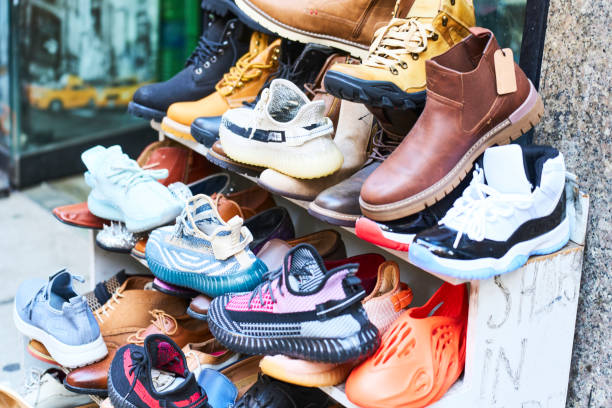
The market is flooded with counterfeits of staggering quality, often referred to as “super fakes” or “UA” (unauthorized authentic). These are not the laughably bad fakes of years past. They are sophisticated products designed to deceive even seasoned enthusiasts. The first line of defense is a shift in mindset. Assume nothing. Trust no listing blindly. Verification is your ritual, and skepticism is your ally. Begin with the source. Reputable platforms with authentication services provide a critical buffer, but they are not infallible. For private sales or lesser-known sites, your personal scrutiny is the only thing standing between you and a costly mistake.
Start with the basics, the common tells that even good fakes often struggle to perfect. Examine the quality of materials. Genuine sneakers use premium leather, suede, or textiles with consistent texture and grain. Fakes often feel plasticky, overly stiff, or have a uneven nap. Inspect the stitching with a keen eye. Authentic pairs feature clean, consistent, and tight stitching without loose threads or erratic patterns. Sloppy stitching around logos, swooshes, or heel tabs is a massive red flag. Hold the shoe in your hands. Assess the overall shape and proportions. Compare the silhouette side-by-side with a confirmed authentic image from the brand’s official launch. Fakes frequently get the toe box shape, heel curve, or midsole slope subtly wrong.
Move on to the finer details. Scrutinize the logos, embroidery, and any printed graphics. Branding is often where replicas falter. Swooshes may be too thick or thin, placed incorrectly, or have poor stitch definition. Jumpman logos can look anemic, and font on size tags or insoles is frequently the wrong weight or spacing. The box itself is a treasure trove of information. Authentic boxes are made from sturdy cardboard with sharp, high-quality printing. Check the style and size code labels. Compare the font, barcode, and production dates with known authentic examples. A flimsy box with faded, pixelated printing is a strong indicator of what’s inside.
Beyond the physical inspection, protect your transactions. When engaging in the resale community, use secure payment methods that offer buyer protection. Never use irreversible methods like wire transfers or gift cards for transactions with strangers. Document everything. Save all communication, listing photos, and receipts. If a deal seems too good to be true, it almost certainly is. That “steal” on a deadstock grail is likely a trap. Engage with the community wisely. Legitimate sellers and collectors are often proud to provide additional photos or details. Hesitation or pressure to buy quickly are major warning signs.
Ultimately, your greatest tool is knowledge. Immerse yourself in the specific details of the models you love. Know the production history, the common flaws in authentic pairs, and the known batch flaws of counterfeits. The sneaker community thrives on shared passion, and that includes sharing knowledge to protect one another. At Sneakerholic, we believe that an informed collector is a empowered collector. By honing your authentication skills and conducting every transaction with caution, you defend not just your wallet, but the integrity of the culture itself. Stay sharp, trust your instincts, and keep your collection legit.
Articles