The Legacy of the ASICS Gel-Lyte III: A Sneaker That Blends Japanese Precision with Streetwear Culture
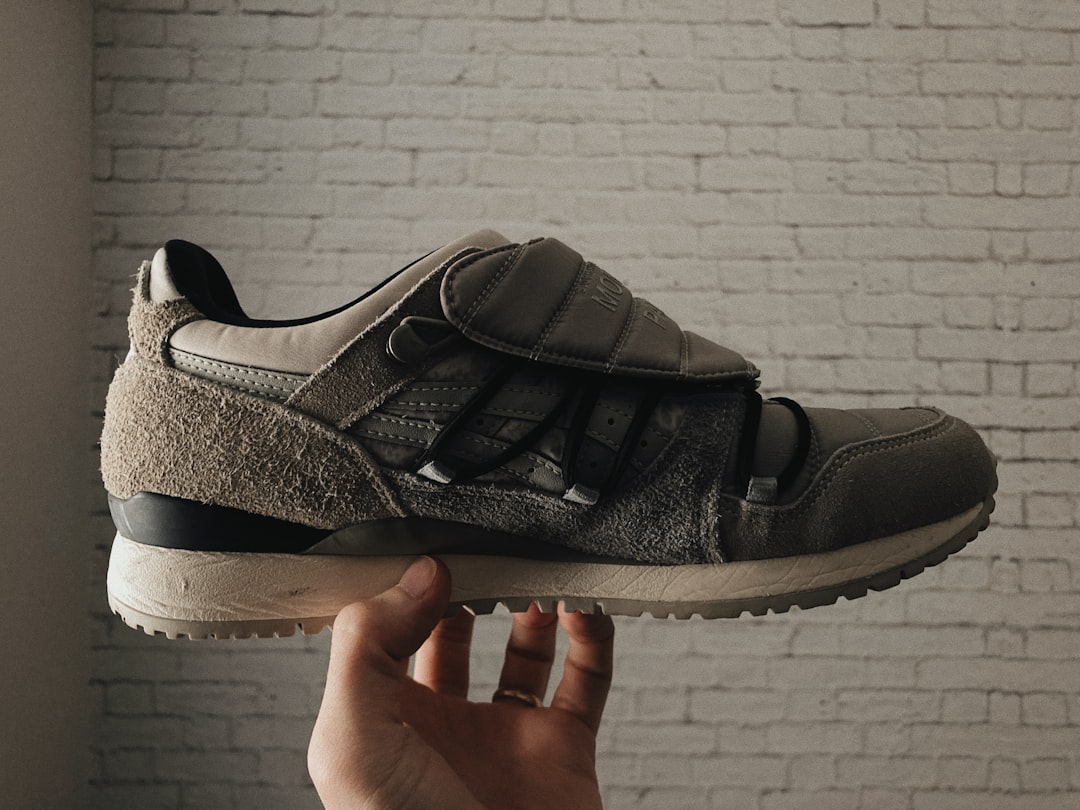
In the sprawling landscape of sneaker history, few silhouettes manage to bridge the gap between technical performance and cultural relevance as seamlessly as the ASICS Gel-Lyte III. Born from the rigorous engineering ethos of Japanese craftsmanship and the brand’s deep running heritage, this model has evolved from a niche performance runner into a cornerstone of streetwear and collector culture. Its journey is a testament to ASICS’s ability to innovate not only in function but also in form, creating a shoe that remains as coveted today as it was upon its debut.
The Gel-Lyte III first emerged in 1990, a period when the running shoe market was dominated by American heavyweights like Nike and Reebok. ASICS, however, brought a distinctly different philosophy to the table. Rather than chasing maximalist cushioning trends, the brand focused on biomechanical precision and material quality. The Gel-Lyte III was designed as a lightweight, responsive trainer for serious runners. Its most revolutionary feature was the split-tongue construction, or “mono-sock” design, which eliminated the traditional tongue and created a glove-like fit. This engineering choice, intended to reduce pressure on the top of the foot and improve lockdown during long runs, was a direct result of ASICS’s obsessive attention to runner physiology. The shoe also incorporated the brand’s signature GEL technology in the heel and forefoot, a silicone-based cushioning system that absorbed shock while maintaining stability—a hallmark of Japanese engineering that prioritized injury prevention over plush feel.
For much of the 1990s, the Gel-Lyte III remained a respected but relatively under-the-radar model within the running community. Its aesthetic, while clean, did not initially capture the imagination of casual sneaker buyers. That changed in the early 2000s, when the rising tide of sneaker culture began to rediscover vintage running silhouettes. Hypebeasts and collectors, tired of the bulky basketball silhouettes that dominated the late ’90s, turned to lightweight, retro runners. The Gel-Lyte III, with its streamlined profile, bold color-blocking, and technical heritage, became a perfect candidate. Its split tongue, once purely functional, became a signature visual detail—one that allowed for striking asymmetrical colorways and gave the shoe an almost architectural presence on the foot.
Collaborations played a pivotal role in elevating the Gel-Lyte III from running relic to streetwear icon. Brands like Ronnie Fieg’s Kith, Sneaker Freaker, and Concepts produced limited-edition colorways that paid homage to the shoe’s Japanese roots while introducing contemporary palettes and materials. The “Koi” pack, for instance, drew directly from Japanese koi fish imagery, using premium leathers and suedes to create a narrative of tradition and modernity. These collaborations weren’t just marketing gimmicks; they were deep dives into the ASICS archive, celebrating the meticulous craftsmanship that defined the brand’s identity. Each release added a new chapter to the Gel-Lyte III’s story, proving that a performance shoe could carry cultural weight without sacrificing its original intent.
What makes the Gel-Lyte III particularly compelling is how it encapsulates ASICS’s broader philosophy of kaizen—continuous improvement. Over the decades, the shoe has been re-engineered multiple times, with updates to the mesh, the GEL units, and the outsole traction. Yet each iteration remains faithful to the original 1990 blueprint. This balance between evolution and preservation is rare in sneaker design. Many retro models are either lazily reissued with poor materials or completely reimagined beyond recognition. ASICS treats the Gel-Lyte III with the same reverence a watchmaker applies to a vintage chronograph. The result is a shoe that feels both timeless and contemporary, suitable for a morning jog or a night out.
The model also serves as a gateway into the larger world of ASICS running heritage. For a new generation of sneaker enthusiasts, the Gel-Lyte III sparks curiosity about the brand’s other icons—the Gel-Kayano, the Gel-Nimbus, and the Onitsuka Tiger silhouettes. It tells a story of how Japanese engineering, with its emphasis on precision, durability, and subtlety, can create objects that transcend their original purpose. The Gel-Lyte III is not merely a shoe; it is a piece of functional art, a reminder that the best design arises when form follows function with an obsessive eye for detail.
Today, the Gel-Lyte III continues to thrive in an overcrowded market. Its enduring appeal lies in its refusal to be defined by any single era. It is a runner’s shoe, a collector’s gem, a fashion staple, and a cultural artifact all at once. As ASICS pushes forward with new technologies like FF Blast and FlyteFoam, the Gel-Lyte III stands as a monument to the principles that built the brand: a relentless pursuit of better, a respect for heritage, and an unwavering belief that a shoe can be both a tool and a treasure. For anyone seeking to understand the soul of ASICS, this is where the journey begins.
Articles