The Polar Pull: Why Minimalist and Maximalist Sneakers Define Modern Style

Sneaker culture thrives on contrast, and no opposition is more fascinating than the quiet pull between minimalist and maximalist design. On one side sit clean white leather low-tops, whispered tonal palettes, and silhouettes that turn restraint into a status symbol. On the other stand chunky soles, clashing neon hues, layered panels, and sneakers that declare themselves before a single step is taken. These two philosophies represent more than personal taste; they are complete worldviews about how footwear should function, what it should say, and who it should serve. To understand sneaker fashion in the modern era, one must understand the magnetic tension between these polar forces.
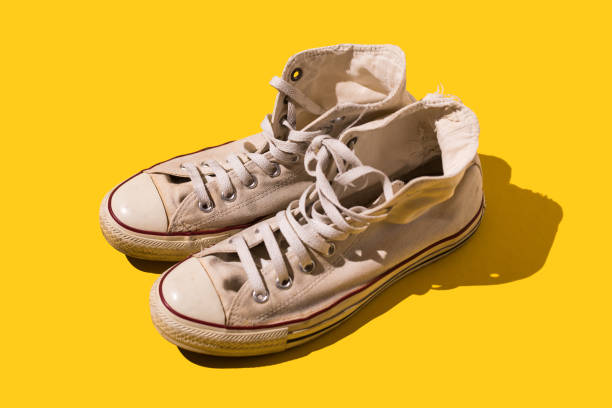
Minimalism in sneakers is an exercise in subtraction. The design language strips away unnecessary ornamentation until only essential form, material, and proportion remain. A minimalist sneaker often uses one or two muted colors, smooth leather or mesh, and a low-profile midsole that prioritizes versatility over spectacle. The appeal lies in its effortlessness. A pair of all-white court sneakers can move from jeans to tailored trousers to shorts without missing a beat, which makes them a favorite among those who see footwear as a supporting player in a larger outfit. Yet minimalism is not simply the absence of design; it is a highly disciplined choice. Every stitch, every curve, and every millimeter of sole thickness is intentional. The wearer signals confidence in restraint, suggesting they do not need loud colors to prove their taste. In this way, minimalist sneakers become quiet luxuries, carrying hidden value in the quality of their leather, the precision of their construction, and the timelessness of their lines.
Maximalism approaches the foot as a canvas for unlimited expression. It embraces volume, color, graphics, and texture in ways that reject the idea that less is more. Chunky dad shoes, bold collaborations, and futuristic running-inspired silhouettes often fall into this camp, featuring exaggerated midsoles, reflective overlays, mismatched panels, and vivid accent colors that demand attention. For maximalist devotees, a sneaker is not an accessory but the centerpiece of an outfit, a wearable sculpture that expresses personality, mood, or allegiance to a subculture. This philosophy has deep roots in streetwear, where hype, storytelling, and visual spectacle are essential. A maximalist sneaker tells a story of creative excess, often referencing retro sci-fi, retro basketball culture, or cartoonish proportions. It can transform an ordinary hoodie and track pants into a fashion statement. Where minimalism seeks harmony, maximalism seeks collision, and that collision is precisely what makes it exhilarating.
These opposing philosophies shape more than individual purchases; they influence entire brands, collaborations, and release calendars. Many heritage brands build their core lines around minimalist principles, offering timeless leather silhouettes that never go out of style. Their limited drops tend to explore subtle material changes rather than wild redesigns. In contrast, other labels, especially those positioned at the intersection of fashion and streetwear, rely on maximalist energy to create urgency and cultural conversation. Hype is often generated by loud designs, unexpected proportions, and cross-industry partnerships that push footwear into art-piece territory. Both approaches generate enormous enthusiasm, but they attract different kinds of collectors. Minimalists curate a capsule collection of versatile, investment-quality shoes that can be worn for years. Maximalists chase statements, rare colorways, and avant-garde releases that make every wear a memorable event.
Lifestyle and identity also play a role in choosing sides. Minimalist wearers often prioritize ease, longevity, and integration, seeing sneakers as an extension of a refined, streamlined daily life. Maximalist wearers see fashion as play and self-discovery, using exaggerated footwear to communicate energy and individuality in a crowded visual world. There is also a seasonal rhythm to this debate. During periods of economic uncertainty, minimalism tends to rise because it suggests durability and timeless value. During moments of cultural flourishing and experimentation, maximalism surges because it celebrates optimism, novelty, and breaking rules. Neither tendency ever fully disappears; they simply orbit each other, trading influence across decades.
What makes the minimalist versus maximalist debate so compelling is that both philosophies contain deep honesty. Minimalism trusts the power of absence, proving that a single silhouette can remain relevant across generations. Maximalism trusts the power of abundance, proving that imagination should have no boundaries in design. The best collections often borrow from both, pairing a restrained base with one truly loud sneaker to create tension and balance. In the end, sneaker lovers do not have to choose a permanent side. The modern fashion landscape welcomes shifts in mood, occasion, and confidence. Some days call for the purity of an all-white leather finish; other days demand the thunderous arrival of a sculptured, color-soaked sole. The beauty of sneaker culture is that it accommodates both philosophies, and the real style belongs to those who know when to whisper and when to shout.
Articles