The Power of Partnership: How Artist and Brand Collaborations Drive Drop Culture
The modern sneaker release calendar is no longer dictated solely by internal brand timelines. It is a high-stakes theater powered by a specific, potent fuel: the confirmed collaboration. These partnerships between artists, brands, and designers are the primary engine of drop culture, transforming routine product launches into global cultural events. For the true enthusiast, understanding this dynamic is not optional; it is essential to navigating the frenetic, often frustrating, world of limited releases.
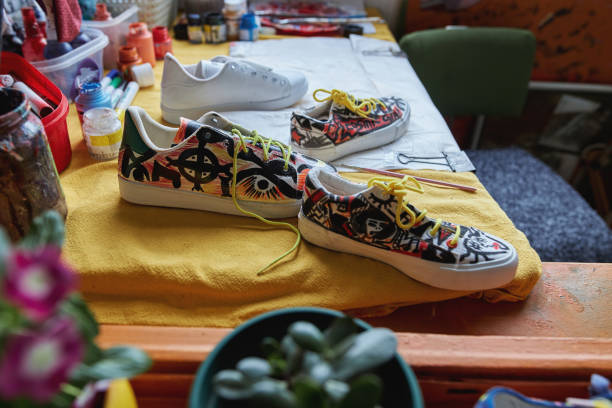
At its core, a collaboration is a calculated fusion of audiences and aesthetics. A sneaker brand provides the iconic silhouette and manufacturing might. The collaborating artist or designer injects a distinct creative vision, personal narrative, and dedicated fanbase. The result is a product that transcends its components, becoming a tangible piece of cultural cross-pollination. This alchemy is what turns a shoe into a must-have artifact, and its limited availability is the spark that ignites the frenzy. The scarcity is not an accident; it is the point. By producing only a fraction of what the market demands, brands and collaborators create instant exclusivity, ensuring that ownership carries social capital and the drop itself becomes a news story.
The release calendar, therefore, is a carefully curated map of these cultural moments. Major collaborations are not quietly slipped onto shelves; they are announced months in advance through meticulously staged teasers, leaked images, and official confirmations. This protracted “hype cycle” is a fundamental feature. It builds anticipation, allows stories to be told about the design inspiration, and gives media and influencers time to amplify the message. The actual drop date becomes a collective focal point, a digital or physical gathering where millions vie for a few thousand pairs. This ritualistic cycle—announcement, anticipation, and frantic release—defines the rhythm of the sneaker year.
These partnerships also serve as powerful validation for both parties. For an artist or high-fashion designer, a successful sneaker collaboration solidifies their influence beyond their native medium, embedding their name in the lucrative and globally recognized world of streetwear. For the sneaker brand, it is a continuous process of reinvention and relevance. Collaborating with a trending musician or an avant-garde fashion house allows a heritage brand to tap into new demographics and stay culturally current without diluting its core identity. It is a direct line to the zeitgeist.
Ultimately, the collaboration-driven drop culture is a ecosystem with clear winners and losers, but its impact is undeniable. It has reshaped retail, giving rise to raffles, queues, and bot-driven purchasing that challenge traditional commerce. It has fueled a vast resale market, where collaboration models often command the highest premiums. For the community at Sneakerholic, this landscape requires vigilance, strategy, and deep knowledge. Tracking the release calendar means more than noting dates; it means understanding the cultural weight of a Travis Scott partnership versus a fragment design tie-up, or the significance of a Nike teaming with an avant-garde designer like Comme des Garçons. Each collaboration is a statement, and each drop is a battle for a piece of that statement. In today’s sneaker world, the most sought-after releases are rarely born from a single brand’s mind. They are forged in partnership, and their limited release is the event that the entire culture watches, and chases.
Articles