The Proportion Playbook: How to Build Streetwear Outfits Around Bulky Sneakers
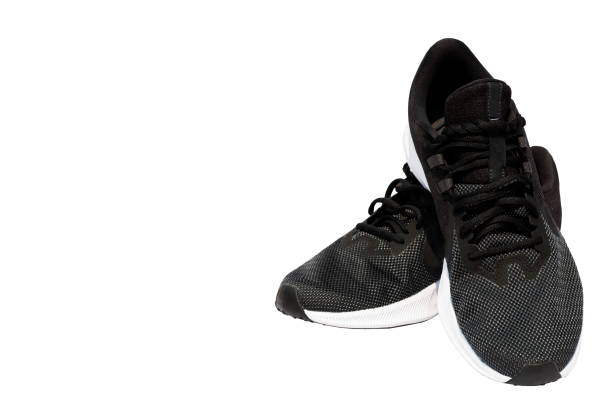
Bulky sneakers are not simply footwear; they are a visual anchor that changes the geometry of an outfit. A chunky sole, layered upper, and exaggerated toe box add weight to the bottom of the silhouette, which means every other piece must respond. Building streetwear outfits around kicks is less about matching colors and more about managing volume, length, and visual mass. When the sneaker carries the outfit’s heaviest statement, the rest of the look needs enough structure to support it without competing for attention. The goal is not to make the sneaker disappear, but to make it feel intentional.
Start with the trouser and its relationship to the shoe. A bulky sneaker needs room to breathe at the hem. Skinny jeans can make a chunky sole look cartoonish, while overly wide pants can swallow the shoe entirely. The sweet spot is a relaxed straight leg, a gently tapered carpenter pant, or a track pant with a clean drape. Length matters as much as width. A hem that breaks once over the shoe’s collar creates a natural transition; a hem that pools too much creates a messy pile of fabric that hides the sneaker’s details. Cuffs can work, but they should be deliberate, not accidental. Rolling once to expose the ankle or the sneaker’s tongue can lighten the bottom half and give the outfit a sharper rhythm.
From there, consider the top half as a counterweight. If the sneakers are heavy, the upper body should not feel weightless. A boxy tee, a structured overshirt, or a mid-weight hoodie can balance the visual mass below. Cropped jackets and fitted tops can work, but they create a top-light silhouette that puts more pressure on the pants and sneakers to carry the look. That can be effective when the outfit is intentionally minimal, but it requires confidence and clean lines. In most everyday streetwear, a layered top with some texture provides a better counterbalance. Denim jackets, bomber jackets, and quilted vests all add useful visual weight without turning the outfit into a costume.
Layering is another tool for proportion. A longline shirt under a shorter jacket creates horizontal breaks that guide the eye. A hoodie under a cropped bomber adds volume at the chest and shoulders, which keeps the outfit from feeling bottom-heavy. The key is to avoid stacking too many oversized pieces at once. When every layer is loose and every pant is wide, the sneaker can lose its role as the focal point. When every layer is tight, the sneaker can look like an afterthought. The most reliable approach is contrast: one relaxed element, one structured element, and one clean element. That mix gives bulky sneakers a context without making them feel isolated.
Color and material also shape perceived proportion. Dark pants over light sneakers create a sharp break that emphasizes the shoe’s size, which can be powerful but also risky. Tonal dressing from the waist down can make the sneaker feel more integrated, especially when the pant and shoe share a similar value. Textures matter too. A smooth leather sneaker against rough denim feels grounded; a mesh runner against nylon track pants feels athletic and cohesive. Accessories such as a cap, a crossbody bag, or a visible sock can echo the sneaker’s color or material and tie the outfit together. Socks are especially useful because they bridge the gap between hem and shoe, adding a small but noticeable layer of control.
Finally, let the sneaker set the outfit’s energy. A chunky retro basketball shoe calls for a relaxed, heritage-inspired look with loose denim and a vintage tee. A technical trail sneaker pairs naturally with nylon, fleece, and utility details. A minimal premium sneaker can handle cleaner tailoring and quieter layers. The mistake is treating every bulky sneaker the same. Each shape has its own personality, and the best streetwear outfits build around that personality rather than forcing the shoe into a generic template. Proportion is the quiet architecture beneath the visible style, and when it is handled well, the sneakers do not just complete the outfit—they make it feel inevitable.