The Puma Suede and the Birth of B-Boy Style: A Cultural Revolution
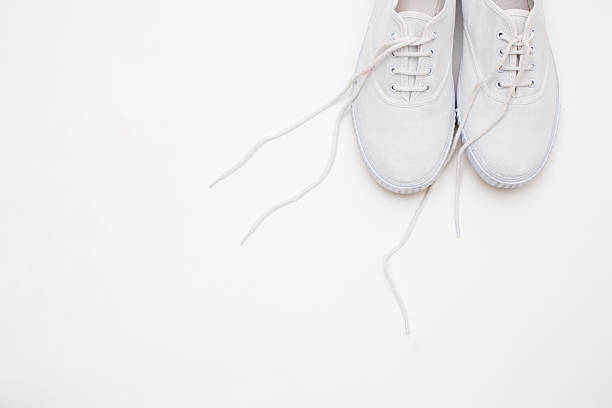
The Puma Suede is a sneaker that transcends mere footwear. Its soft, velvety upper and clean silhouette are instantly recognizable, but its true significance lies in the seismic cultural shift it helped ignite. While originally designed for basketball in the late 1960s, the Suede found its enduring purpose not on the court, but on the concrete floors of New York City parks, community centers, and street corners during the 1970s and 1980s. It became the unwitting uniform of a nascent movement that would redefine music, dance, and fashion: the B-boy and B-girl culture of hip-hop. The Puma Suede did not merely participate in this evolution; it was a catalyst, a symbol, and a testament to street credibility that few other sneakers have ever matched.
The story begins in 1968, when Puma released the Suede as a lightweight basketball shoe for the fast-paced game of the era. Its simple design—a low-top cut, a durable suede upper, and a sturdy rubber sole—was functional and comfortable. But the shoe’s true breakthrough came when it crossed over from athletic wear to street wear. African American and Latino youth in New York’s Bronx and Brooklyn, who were forging a new cultural identity through breakdancing, graffiti, and DJing, gravitated toward the Suede. Its affordability, availability in vibrant colors, and the distinctive gloss of its suede material made it an ideal canvas for personal expression. The shoe’s low profile also allowed dancers to move freely, performing complex footwork, spins, and freezes without the bulk of high-top sneakers.
What cemented the Puma Suede’s place in B-boy culture was its association with the legendary dance crew the Rock Steady Crew and the rise of hip-hop as a global phenomenon. In the early 1980s, breakdancing exploded into mainstream awareness through films like “Wild Style” and “Beat Street,” and music videos by artists such as Run-D.M.C. (who famously wore Adidas) and later by Puma’s own sponsored dancers. The Suede was the shoe of choice for countless B-boys and B-girls who valued style, durability, and a connection to the streets. It was not a sneaker that demanded attention through flashy logos or high-tech gimmicks; its coolness was understated, a quiet confidence that spoke to those who understood its history.
The street credibility of the Puma Suede was further reinforced by its presence in the world of graffiti and fashion. The shoe’s suede surface could be customized with paint, markers, or even stitching, allowing artists to turn a pair into a wearable piece of graffiti. This DIY ethos resonated deeply with the hip-hop community, where individuality and authenticity were paramount. Meanwhile, the sneaker’s adoption by skateboarders and punk rockers in the 1990s added layers to its icon status. Yet through every subculture shift, the Suede never lost its foundational link to B-boy roots.
From a design perspective, the Puma Suede’s longevity is a testament to its timelessness. The simple form has remained largely unchanged for over five decades, a rarity in an industry obsessed with innovation and planned obsolescence. That consistency has allowed the shoe to accumulate cultural weight with each generation. When Puma reintroduced the Suede in collaboration with hip-hop artists, streetwear brands, and even high-fashion houses, it was not an attempt to rebrand the sneaker but to honor its legacy. Each new colorway and limited edition release was a nod to the original spirit of the shoe, a reminder that true style cannot be manufactured—it must be earned.
The Puma Suede’s influence on sneaker culture extends beyond its own silhouette. It helped establish the concept of the lifestyle sneaker, a shoe that exists at the intersection of sport and street. Before the Suede, most sneakers were strictly functional; after, they became symbols. The shoe’s success also paved the way for other iconic models like the Nike Cortez, the Adidas Stan Smith, and the Converse Chuck Taylor All Star to be reimagined as cultural artifacts rather than just athletic equipment. In this sense, the Puma Suede is a founding member of the sneaker hall of fame, not merely because of its sales or fame, but because of its role in shaping how we think about footwear.
Today, the Puma Suede remains a staple in the wardrobes of sneaker enthusiasts, fashion connoisseurs, and dancers alike. It is often seen on the feet of B-boys and B-girls in international breaking competitions, where its grip, flexibility, and style still perform under pressure. The sneaker has been reissued countless times, yet each new drop feels like a continuation of the same story that began on the basketball courts of the late 1960s. It serves as a bridge between the past and the present, reminding us that some designs are so fundamentally right that they become inseparable from the culture that adopted them.
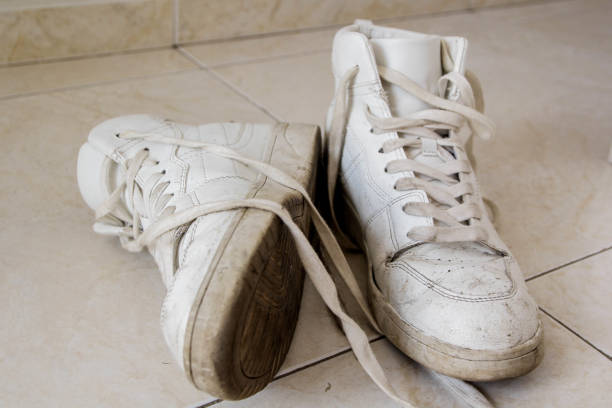
The Puma Suede is more than a shoe; it is a document of urban history. It carries the scuffs, creases, and faded colors of countless battles, block parties, and late-night sessions. It is a symbol of defiance and creativity, a testament to the power of subcultures to claim and transform the everyday objects around them. The B-boy and B-girl who laced up a pair of Suedes were not just putting on sneakers—they were stepping into a lineage of style, struggle, and self-expression that continues to inspire. For those who understand, the Suede will always be the sound of a record scratch, the feel of concrete, and the rhythm of the streets.
Articles