The Science of Sneaker Odor: Why Your Kicks Stink and How to Fix It
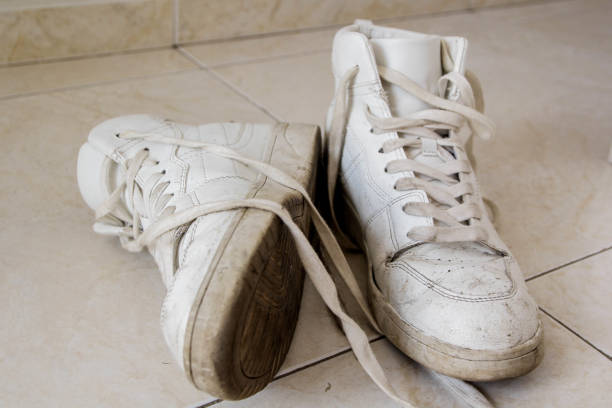
Every sneakerhead knows the sinking feeling of pulling a favorite pair out of the closet only to be greeted by a pungent, unmistakable funk. That odor is not simply a sign of heavy wear; it is a biological signal that bacteria have found a perfect breeding ground inside your shoes. Understanding the mechanism behind sneaker stench is the first step toward eliminating it and keeping your collection fresh well past its prime.
Sweat is the primary culprit. Your feet contain more sweat glands per square inch than almost any other part of your body, and when those glands produce moisture inside a closed sneaker, the environment becomes warm, dark, and damp. This is exactly what odor-causing bacteria need to thrive. As bacteria metabolize the oils and dead skin cells left behind by your feet, they release volatile organic compounds—chemicals that produce that characteristic sour, cheesy, or ammonia-like smell. The more you wear a pair without proper drying or cleaning, the more bacterial colonies establish themselves in the fabric, foam, and stitching of the sneaker. Over time, the odor becomes embedded in the materials themselves, making surface cleaning alone insufficient.
Fortunately, there are proven methods to neutralize sneaker odor without damaging your prized kicks. One of the most effective and accessible techniques is the use of baking soda. Baking soda is a mild alkali that reacts with the acidic byproducts of bacterial metabolism, effectively neutralizing the smell at a chemical level. A simple approach is to sprinkle a generous amount of baking soda inside each sneaker, let it sit overnight or for at least eight hours, then shake it out thoroughly the next morning. For stubborn odors, you can place the baking soda in a thin sock or a coffee filter tied with a rubber band to prevent any residue from clinging to the interior lining. This method works because the baking soda absorbs both moisture and odor molecules, leaving the inside of the shoe noticeably fresher.
Another powerful tool is activated charcoal. Unlike standard baking soda, activated charcoal is processed to have a vast surface area filled with tiny pores. These pores trap odor molecules, moisture, and even certain toxins, making charcoal an exceptional long-term odor absorber. You can purchase small charcoal bags designed specifically for shoes, or you can make your own by placing a few tablespoons of activated charcoal in a breathable pouch and leaving it inside each sneaker when you are not wearing them. Charcoal does not lose its effectiveness quickly; many bags are reusable for months simply by placing them in direct sunlight for a few hours to regenerate the charcoal’s absorbing capacity.
Freezing is another surprisingly effective method that many sneaker enthusiasts overlook. Since the bacteria causing the odor thrive in warm, moist environments, dropping the temperature well below freezing can kill a substantial portion of them. Place your sneakers in a sealed plastic bag to protect them from condensation, then leave them in the freezer for at least 24 hours. The cold does not typically damage materials like leather, canvas, or synthetic mesh, though it is wise to avoid freezing sneakers with delicate glued components or certain types of foam that might become brittle. After removing them from the freezer, let the sneakers thaw completely in a dry, ventilated area before wearing them again. This technique is particularly useful for quick deodorizing between deeper cleanings.
For those who prefer a more aggressive approach, white vinegar provides a natural disinfectant and deodorizer. Mix equal parts white vinegar and water in a spray bottle, lightly mist the interior of the sneaker, and allow it to air dry completely. The acetic acid in vinegar kills many of the bacteria responsible for the smell, and once the vinegar evaporates, its own strong scent disappears, leaving behind neutral freshness. Be cautious with vinegar on delicate fabrics or suede; test a small, inconspicuous area first. Alternatively, rubbing alcohol can serve a similar purpose, though it is more drying and may accelerate wear on certain materials.
Sunlight is perhaps the oldest and simplest deodorizing method. Ultraviolet (UV) rays from the sun have natural antibacterial properties that can reduce bacterial populations inside your sneakers. Place your shoes in direct sunlight for a few hours on a dry, warm day, ensuring they are positioned so that the interior gets light exposure. However, avoid prolonged exposure on materials that may fade or crack, such as colored mesh or patent leather. A few hours of sun can work wonders in combination with other methods like baking soda or vinegar.
Beyond these reactive treatments, prevention is the most valuable strategy for maintaining freshness. Rotating your sneaker collection allows each pair to dry out fully between wears, depriving bacteria of the continuous moisture they need. Always remove your sneakers immediately after wearing them and loosen the laces to encourage airflow. Inserting cedar shoe trees or using moisture-absorbing silica gel packets can further control humidity inside the shoe. Regularly cleaning the insoles—either by hand washing with mild soap and water or replacing them entirely—removes the primary surface where bacteria accumulate. If your sneakers are machine-washable, follow the manufacturer’s guidelines carefully, but for most high-end pairs, gentle hand cleaning is safer.
Finally, consider using specialized sneaker deodorizing sprays that contain enzymes or probiotics. These products introduce beneficial microorganisms that outcompete the odor-causing bacteria, or they contain enzymes that break down the organic waste before bacteria can feed on it. While these sprays can be effective, they should complement, not replace, basic hygiene practices like drying and rotation.
A fresh pair of sneakers is not just about appearance; it is about comfort, confidence, and the overall health of your footwear. By understanding the science behind sneaker odor and applying these straightforward methods, you can extend the life of your collection and keep your favorite pairs smelling as good as they look. Whether you choose baking soda, charcoal, freezing, vinegar, or sunlight, the key is consistency—making freshness a habit rather than an emergency clean.
Articles