The Puma Suede: From Basketball Court to Cultural Icon
Few sneakers have traversed the boundaries of sport, music, and street fashion as seamlessly as the Puma Suede. Introduced in 1968, this low-profile, suede-clad silhouette was originally engineered for basketball, yet its true legacy would be written not on hardwood floors but on city sidewalks, concert stages, and subway platforms. Understanding the evolution of the Puma Suede is to understand a pivotal shift in how athletic footwear became a canvas for cultural expression, a transformation that redefined the relationship between sport style and everyday identity.
The genesis of the Puma Suede lies in the competitive landscape of 1960s basketball. At the time, most players wore high-top leather sneakers, but Puma sought a lighter, more flexible option that still provided ankle support and grip. The Suede debuted as the Puma Clyde, named after legendary New York Knicks forward Walt “Clyde” Frazier. Frazier, known for his flamboyant style both on and off the court, requested a shoe that combined performance with personality. The result was a low-top silhouette constructed from soft suede, featuring a padded collar, a vulcanized rubber outsole, and the iconic Formstrip. It was a radical departure from the standard basketball shoe, emphasizing comfort and visual distinctiveness over conventional bulk.
The Suede’s performance credentials were genuine, but its true breakout moment arrived in the 1970s when it transcended the gymnasium. As basketball culture expanded beyond the professional court into urban neighborhoods, the shoe found a natural home among youth who valued both durability and style. Its affordable price point and easy-wearing nature made it a staple in inner-city communities. Then came the pivotal cultural crossover. In the early 1980s, the burgeoning hip-hop scene in New York City adopted the Puma Suede with fervor. B-boys and B-girls, needing a shoe that could withstand the rigors of breakdancing while flexing on the street, turned to the Suede. Its non-marking sole and flexible sole unit were ideal for spins and footwork, while the rich suede upper provided an unmistakable sartorial signature. The shoe appeared on the feet of iconic dance crews and rap pioneers, linking it indelibly with the birth of hip-hop culture.
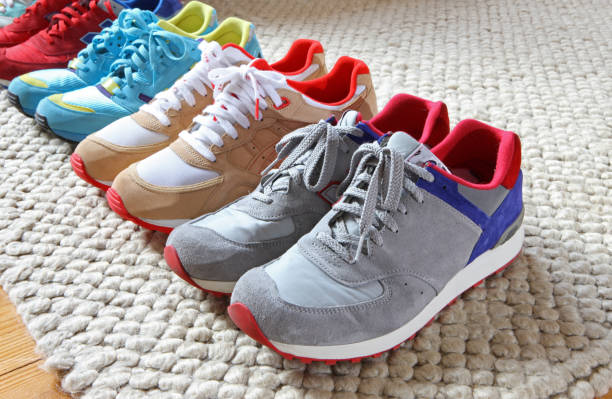
This association was cemented by the legendary partnership with Fab Five Freddy, a key figure in the early hip-hop and graffiti scene, and later by the widespread adoption among skateboarders in the 1990s. Skate culture, which had previously favored chunky vulcanized sneakers, discovered the Suede’s grip and board feel. The shoe’s slim profile and reinforced stitching held up against constant wear, and its heritage aesthetic appealed to skaters who rejected flashy, logo-heavy designs. Puma capitalized on this momentum by releasing the Suede in dozens of colorways, from classic black and white to outlandish neons and patterns. Each iteration told a story, whether it echoed a vintage basketball uniform or paid homage to a subculture.
Simultaneously, the Suede became a canvas for collaboration. Puma partnered with artists, designers, and musicians to reinterpret the model, bridging the gap between sport and high fashion. Collaborations with brands like Kidrobot, Staple, and later with designer labels such as Alexander McQueen elevated the shoe’s status from street staple to luxury collector’s item. These partnerships did not dilute the Suede’s identity; rather, they reinforced its chameleon-like ability to absorb new influences while retaining its core DNA. The shoe’s timeless silhouette allowed it to be dressed up or down, worn with baggy jeans or tailored trousers, making it a perennial favorite across generations.
The evolution of the Puma Suede also reflects broader changes in the sneaker industry. In an era dominated by technical innovations and high-tech materials, the Suede stands as a testament to the enduring power of simplicity. Its construction has changed little since 1968—still a suede upper, a lace-up closure, a padded tongue, and a classic rubber sole. This consistency is not stagnation but a conscious embrace of heritage. The Suede does not need Gore-Tex or air units because its appeal is rooted in narrative, not technology. It represents a moment when a basketball shoe became a cultural artifact, a symbol of urban creativity and resilience.
Today, the Puma Suede remains in active production, a rarity for a fifty-five-year-old model. It is sold in hundreds of colorways worldwide, equally popular with sneakerheads seeking vintage authenticity and new consumers discovering its minimalist charm. The shoe’s journey from the basketball court to the breakdance floor to the fashion runway illustrates a fundamental truth about sport style evolution: the most enduring designs are those that allow themselves to be reinterpreted by the people who wear them. The Puma Suede is not just a shoe; it is a living archive of the intersections between sport, music, art, and identity. Its story continues to be written with every new pair laced up, each step a continuation of a legacy that began more than half a century ago.
Articles