The Puma Suede: From Basketball Courts to Street Culture
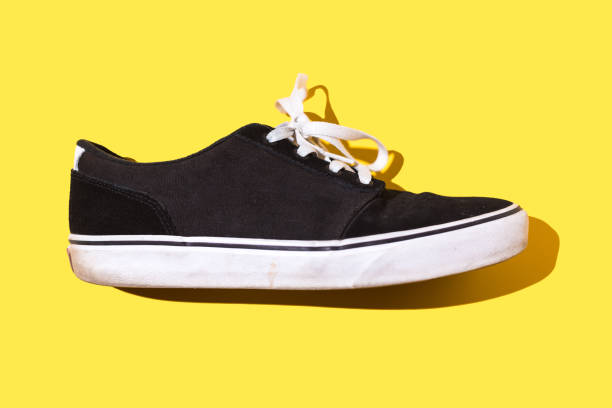
The Puma Suede is one of the most enduring silhouettes in sneaker history. Created in 1968, it arrived during a period when sport footwear was beginning to carry meaning beyond performance. Puma, founded by Rudolf Dassler in 1948, had already built a reputation for technical innovation in track and field, but the Suede marked a different kind of experiment: a lifestyle object disguised as a basketball shoe. Its soft suede upper, contrasting overlays, and clean colorways made it stand out on the court, yet its true evolution would unfold far beyond sports.
Suede was not an obvious material for basketball. Leather was stronger, canvas was cheaper, and rubber soles were already standard, but Puma saw an opportunity in making athletes look good while playing. The Suede offered a snug fit and a flexible sole, and its material could be dyed in rich shades that allowed players and fans to express themselves. At a time when most sneakers were white or black, the Puma Suede arrived in bold blues, reds, greens, and yellows. It was the first sign that athletic shoes could be a personal statement, not just equipment.
The shoe’s connection to professional basketball deepened with Walt Frazier. In 1973, Puma signed the New York Knicks guard to create the Puma Clyde, a landmark signature shoe and one of the earliest examples of a sneaker designed around an athlete’s personality. Frazier, known for his cool demeanor and impeccable off-court style, helped transform the Suede from a team-issued performance shoe into a fashion icon. The Clyde kept the classic suede upper but featured a lower cut and a more flexible collar, making it even better suited for movement. Frazier colored the shoes to match the suits and hats he wore, and this collaboration between an athlete and a brand changed what a sneaker could mean. Sport style was no longer just about triumph on the court; it was about individuality, charisma, and attitude.
As the 1980s arrived, the Puma Suede moved from basketball arenas into the streets of New York City. Hip-hop culture and breakdancing exploded across the city, and dancers needed shoes that could glide across cardboard and concrete. The Suede’s flat rubber sole offered the right grip for spinning, while its padded collar protected the ankle during power moves. More importantly, the shoe’s colorful panels and recognizable form made it a symbol of belonging. B-boys and b-girls wore Puma Suedes as a badge of identity, pairing them with tracksuits and bold accessories. The shoe was durable enough for unforgiving pavement but stylish enough for the dance circle, and this dual role cemented its place in street culture. Puma responded by embracing the name Suede Classic, a label that acknowledged the shoe’s iconic status while appealing to a new generation.
The 1990s and early 2000s brought further evolution as the Suede entered the realm of lifestyle and fashion. Skateboarders adopted it because the soft suede gripped the board and the low profile felt natural. Designers and artists began to reimagine the shoe in limited editions, collaborations, and premium materials. The Puma Suede appeared in museums and style magazines, celebrated not as a throwback but as a timeless object. Its silhouette stayed remarkably true to the original 1968 design, and this consistency became its greatest strength. In an industry driven by constant change, the Suede proved that a well-designed shoe does not need to be reinvented to stay relevant.
The bigger story of the Puma Suede is the evolution of sport style itself. It began as an athletic tool, became a signature product for a basketball legend, then transformed into a uniform for dancers, skaters, and fashion-conscious consumers. Through every era, Puma treated the Suede not simply as a shoe but as a canvas for cultural expression. Its ability to absorb meaning without losing its original identity is rare in any industry. The Puma Suede remains a bridge between sports history and modern streetwear, showing that performance and style can evolve together without leaving their roots behind.
Articles