The Quest for All-Day Comfort: Balancing Plush Cushioning with Long-Term Support
Every sneaker enthusiast knows the feeling of unboxing a fresh pair, slipping them on, and being greeted by a cloud-like midsole that promises effortless strides. Yet hours later, that same plush sensation can give way to fatigue, instability, or even pain. The pursuit of all-day comfort is a delicate dance between immediate softness and sustained structural integrity. This tension defines the modern comfort rating landscape, where sneakers must satisfy both the instant gratification of a marshmallow step and the long-term support required for hours of standing, walking, or casual wear.
At the heart of this balance lies the cushioning system. Brands have invested heavily in proprietary foam technologies: Nike’s React and ZoomX, Adidas’s Boost and Lightstrike, New Balance’s Fresh Foam, and Asics’s FlyteFoam all promise varying degrees of plushness. Early iterations of these foams often prioritized squishiness, making the first wear feel like walking on memory foam. However, testers quickly discovered that excessive softness could lead to a phenomenon known as “energy loss”—the foam compresses but fails to rebound efficiently, forcing the foot to work harder with each step. Over an eight-hour day, that extra muscular effort translates into sore arches, tired calves, and an overall heavier gait.
The ideal all-day sneaker thus requires a cushioning profile that absorbs impact without sacrificing responsiveness. This is where tuned foams and hybrid midsoles shine. For instance, the combination of a dense, supportive heel cup with a softer forefoot zone can cradle the foot during heel strikes while allowing natural toe-off propulsion. Similarly, dual-density setups—like the firm perimeter ring found in some stability models—prevent the foot from sinking too deeply into the foam, maintaining alignment and reducing strain on the plantar fascia. The best comfort ratings come from sneakers that offer a subtle “pop” underfoot, not just a bottomless pillowy feel.
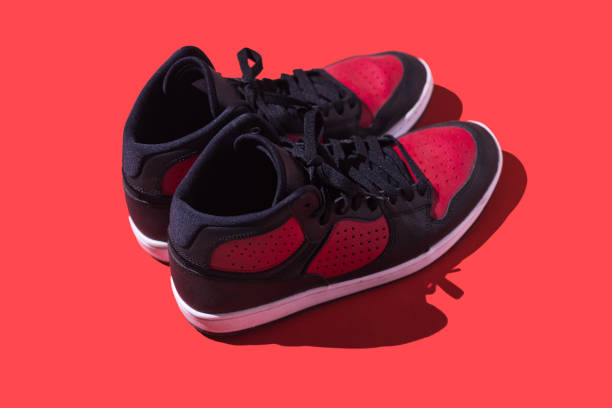
But cushioning is only half the story. The break-in period, that variable interval during which a shoe adapts to an individual’s foot, can dramatically alter comfort ratings over time. Some sneakers, particularly those with full-length air units or thick EVA stacks, feel perfect out of the box and remain consistent for hundreds of miles. Others—especially those using premium leather, structured materials, or advanced knit constructions—require a deliberate break-in. A common example is the retro basketball silhouette turned lifestyle icon: its stiff leather upper and firm board last need several wears to soften and conform to the wearer’s foot shape. During those first few days, the shoe may feel restrictive, even uncomfortable, yet after forty-eight hours of regular use it becomes one of the most supportive all-day options available.
This break-in paradox creates a challenge for comfort ratings. Should a sneaker be judged on its initial feel or its performance after a week of wear? The industry has moved toward a hybrid approach, where testers note both the out-of-box experience and the trajectory of improvement. A shoe that starts stiff but ends supremely comfortable can earn a higher long-term score than one that feels amazing initially but loses its bounce after two months. For the consumer, understanding this nuance is crucial. A sneaker that demands patience might reward with superior arch support and upper containment, while a instantly soft shoe may require replacement sooner or lead to stability issues.
Upper construction also plays a pivotal role. Modern engineering uses primeknit, Flyknit, and woven synthetics that stretch and breathe, reducing hot spots and pressure points. These materials often eliminate the need for a traditional break-in, offering immediate compliance. However, they can lack the locked-in feel of stitched leather or suede, which molds more precisely over time. For all-day wear, a hybrid upper that combines flexible knit panels with targeted synthetic overlays or padded collars provides the best of both worlds: instant comfort in high-flex zones with structured support around the heel and midfoot. The tongue construction, lacing system, and heel counter design further influence how the shoe holds the foot during extended wear.
Finally, the outsole pattern and grip contribute subtly to comfort. A stiff, flat outsole can cause the foot to fatigue as it tries to adapt to uneven surfaces, while a grooved, flexible tread allows natural movement. Sneakers designed for walking or standing often employ a rocker geometry that reduces the need for ankle flexion, easing strain on the joints. These details are frequently overlooked in initial impressions but become paramount after hours on one’s feet.
In essence, the quest for all-day comfort is a search for equilibrium. It requires a sneaker that meets the wearer halfway—soft enough to absorb each impact, supportive enough to maintain alignment, and durable enough to retain its character over time. The best comfort ratings recognize that instantaneous plushness is not synonymous with long-term satisfaction. Instead, they celebrate the sneakers that evolve with the foot, offering a break-in that transforms good initial sensation into exceptional daily performance. Whether through layered foam, adaptive uppers, or meticulous outsole design, the sneakers that earn top marks for all-day wear understand that true comfort is not a static property but a dynamic relationship between shoe and foot.
Articles