The Ankle Line Revolution: How High-Tops and Low-Tops Reshape Your Entire Outfit
The decision between a high-top sneaker and a low-top sneaker is far more than a simple preference for ankle coverage. It is a fundamental architectural choice that determines the visual proportion of your entire silhouette, the flow of your pant leg, and the overall narrative of your outfit. While many sneaker enthusiasts focus on colorways, collabs, and cushioning technology, the height of the sneaker collar dictates the most critical styling decision you will make: where does your outfit visually end and where does your footwear begin? Understanding this dynamic transforms a wardrobe from a collection of pieces into a cohesive system of lines and volumes.
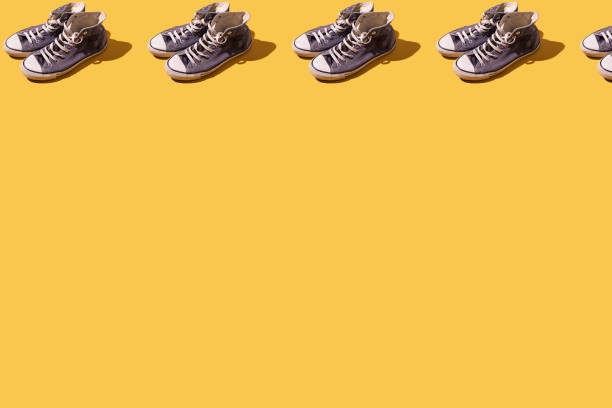
High-top sneakers, with their iconic collars rising several inches above the ankle bone, create a powerful visual anchor. They effectively shorten the visual length of the lower leg by creating a solid block of color or texture that interrupts the line from the calf to the foot. This can be an intentional advantage for those with longer legs who wish to add visual weight at the bottom of their frame, or for those seeking a more grounded, muscular, and aggressive stance. The high-top silhouette demands a certain kind of pant. Skinny jeans or tapered trousers that can be tucked into or rolled above the collar create a clean, unbroken line that emphasizes the shoe itself. Alternatively, wide-leg or baggy pants that drape over the entire high-top, covering the collar completely, produce a completely different effect—a mysterious, blocky, and almost militant look where the shoe’s upper is hidden, leaving only the outsole and toe box visible. This latter styling has surged in popularity with the revival of 1990s and early 2000s streetwear. The key is intentionality: letting the high-top either be fully revealed or fully concealed, but never partially and sloppily obscured.
Low-top sneakers, in contrast, offer a lower visual profile that elongates the leg. By leaving the ankle bare or only lightly covered, they create a continuous line from the floor up through the lower leg, making the wearer appear taller and leaner. This silhouette is the master of versatility. Low-tops excel with cropped trousers, shorts, and cuffed jeans because they keep the visual flow open and allow the pant to end cleanly just above the shoe line. They also work exceptionally well with skirts and dresses, where the exposed ankle creates a feminine and airy transition between the fabric and the sneaker. The styling challenge with low-tops is that they can make the foot appear smaller or even lost under voluminous trousers. A pair of wide-leg pants that pool over a low-top sneaker can result in a messy, flattened look unless the pants have a deliberate, structured hem. The solution often lies in sock height: a no-show sock preserves the bare-ankle illusion, while a crew sock pulled high reintroduces a visual block similar to a high-top, but with a different texture and intention. The low-top, therefore, demands a more careful consideration of the sock-pant-shoe relationship than its taller counterpart.
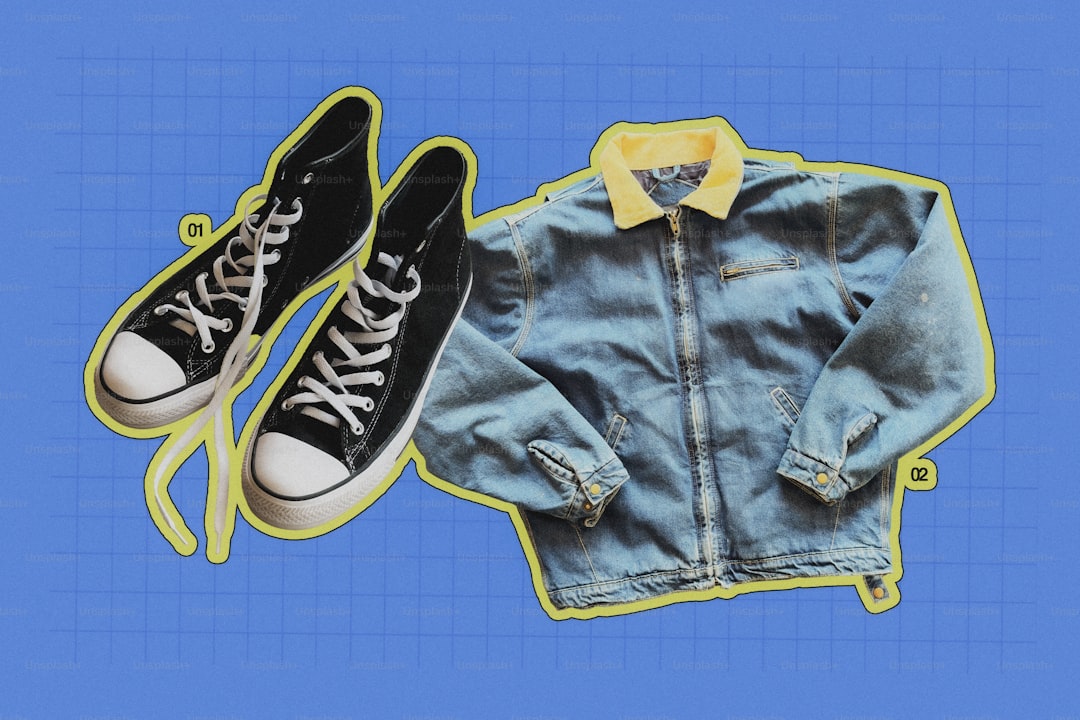
The interplay extends beyond pant legs to the overall balance of the outfit. High-tops carry a natural weightiness that can offset a heavy top—think oversized denim jackets or puffer coats. When you wear a chunky high-top like a classic basketball shoe, your lower body becomes visually substantial, allowing you to balance a voluminous upper without looking top-heavy. Low-tops, being lighter in visual mass, pair beautifully with fitted tops or lighter layering, maintaining a streamlined, athletic look. This principle also applies to accessories: high-tops often look better with chunkier gold chains or larger bags, while low-tops invite more delicate, minimalist jewelry.
Seasonality plays an undeniable role in this styling equation. High-tops inherently convey warmth and protection, making them the natural choice for fall and winter, especially when paired with denim or wool trousers. Their collar not only keeps ankles warm but also visually anchors thick socks. Low-tops, conversely, thrive in spring and summer, where the emphasis is on breathability and freedom of movement. Yet fashion rules are made to be broken: a low-top canvas sneaker in winter, worn with cuffed raw denim and a heavy wool peacoat, can create an intriguing contrast of textures and temperatures. Similarly, a high-top leather sneaker in summer, paired with shorts and no-show socks, channels a rebellious, utilitarian aesthetic that challenges seasonal expectations.
The final and perhaps most overlooked element is the shoe’s own design language. A high-top from a basketball lineage, with its padded collar and aggressive tread, commands a different styling approach than a high-top from a skateboarding heritage, which tends to be slimmer and more flexible. The former wants baggy, heavy, and streetwear-aligned outfits; the latter welcomes slimmer jeans and a more refined, almost prep-school look. Low-tops range from sleek court-inspired designs to chunky retro runners, each demanding its own relationship with the hemline. Understanding the specific personality of your sneaker silhouette is the ultimate tool for mastering the high-top versus low-top game. The true art lies not in following a rigid rulebook, but in seeing the shoe’s collar as a pivot point around which your entire outfit must revolve.
Articles