The Reebok Classic Leather: An 80s Fitness Nostalgia Icon
The sneaker landscape is built on icons, and few models embody a specific moment in cultural history as purely as the Reebok Classic Leather. Born in 1983, it arrived not as a basketball revolution or a running breakthrough, but as a definitive statement of a new fitness lifestyle. It is a shoe that transcended its gym-floor origins to become a permanent fixture in streetwear, a testament to the power of clean, functional design. For Sneakerholic, a destination dedicated to the full spectrum of sneaker passion, the Classic Leather is a non-negotiable entry in the Sneaker Hall of Fame, representing a crucial pivot in how athletic shoes were perceived and worn.
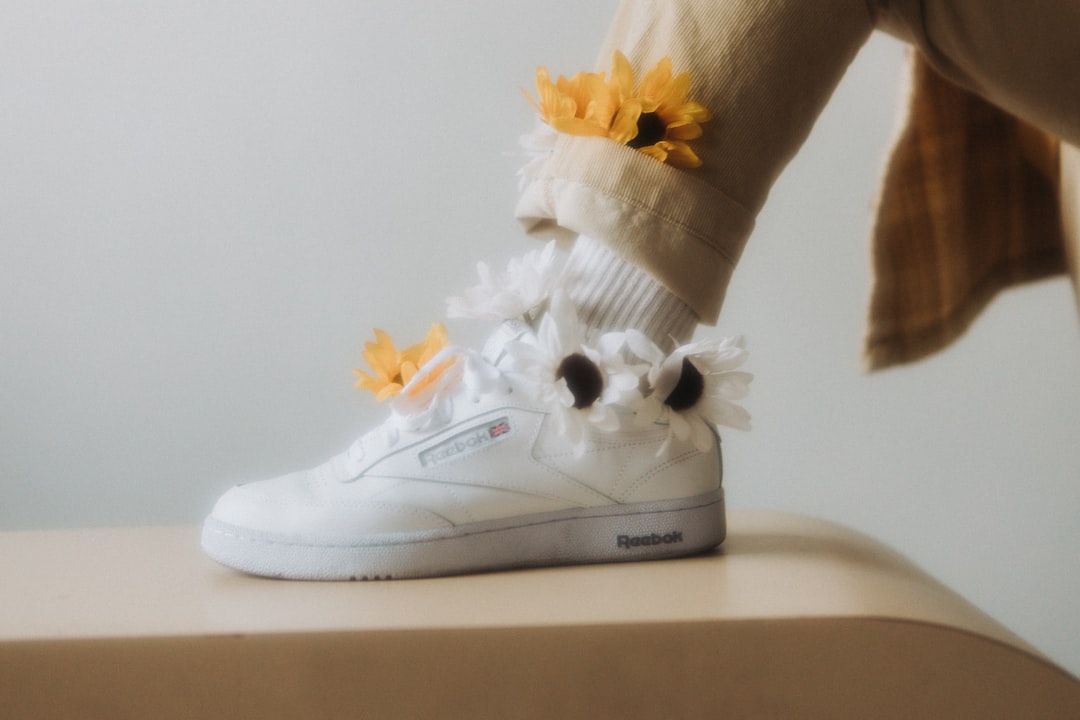
Reebok’s genius with the Classic Leather was its focus on a burgeoning market: aerobics. The early 80s fitness boom, fueled by Jane Fonda and leg warmers, demanded footwear that was soft, lightweight, and stylish. The Classic Leather answered directly. Its construction was straightforward and effective. The upper, as the name insists, was primarily soft, supple full-grain leather, offering a premium feel that contrasted with the common nylon and suede of the era. The signature quarter panel overlays provided structure and a recognizable visual identity, while the low-cut silhouette promised unrestricted movement. The cushioning came from a simple yet effective EVA midsole, and the outsole featured a multi-directional herringbone pattern for grip on studio floors. There were no gimmicks, no space-age technology claims. It was a no-nonsense tool for a new kind of athlete, predominantly women, who valued both performance and aesthetics.
What cemented the Classic Leather’s iconic status, however, was its rapid escape from the aerobics studio. Its clean, minimalist lines and neutral colorways, particularly the iconic white/grey, made it incredibly versatile. It was adopted by the streets, becoming a staple of casual wear. This was the birth of the “gym-to-street” trend in earnest. The shoe projected an image of health-conscious, aspirational leisure. It wasn’t about replicating the look of a sports star; it was about embodying a modern, active lifestyle. This broad appeal ensured its survival long after the aerobics craze peaked. While other trend-driven shoes faded, the Classic Leather’s timeless design allowed it to endure, finding new audiences in subsequent decades.
The Reebok Classic Leather’s legacy is one of resilient relevance. It never left production, serving as a blank canvas for countless collaborations and special editions over the years, from partnerships with brands like Vetements and Palace to artist collaborations and regional exclusives. Each iteration reinforces its core appeal. For collectors tracked by Sneakerholic’s release calendars, these drops are reminders of the model’s enduring credibility. For everyday wearers, it remains a go-to for unmatched comfort and understated style—a shoe you can wear anywhere without shouting.
Ultimately, the Reebok Classic Leather earns its Hall of Fame status not through radical innovation, but through perfect execution and cultural timing. It captured the spirit of 80s fitness optimism and translated it into a product with universal, lasting appeal. It is a masterclass in how a shoe can define a lifestyle movement and then outlive that moment to become a permanent style essential. In the archives of sneaker history, the Classic Leather stands as a quiet, leather-clad titan, forever linked to the pulse of the 80s yet forever current. It is, quite simply, an icon that did its job and never stopped.
Articles