The Reebok Classic Leather and the Aerobics Revolution: How a Sneaker Defined an Era
The 1980s were a decade of bold colors, bigger hair, and a fitness craze that reshaped the way people dressed from the gym floor to the sidewalk. At the heart of this cultural shift stood the Reebok Classic Leather, a sneaker that arrived not as a basketball performance shoe or a running spike but as the quintessential aerobic companion. Its story is inseparable from the aerobics revolution, a movement that turned leg warmers, high-cut leotards, and white leather trainers into everyday symbols of health and aspiration. The Reebok Classic Leather did not merely participate in this revolution; it helped define it, forging a legacy that would outlast the Jane Fonda workout tapes and neon headbands.
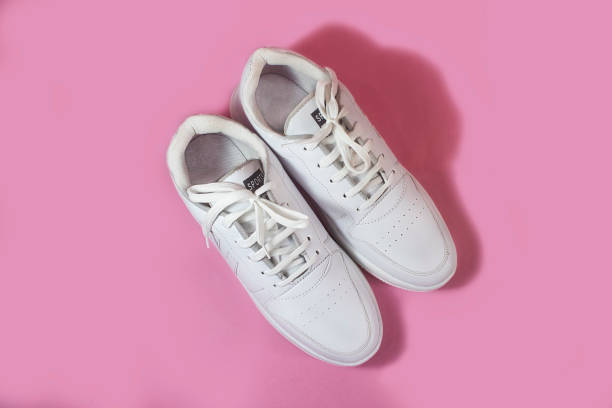
When Reebok introduced the Classic Leather in 1983, the company was already riding a wave of success from its earlier aerobic shoes, notably the Freestyle. The Freestyle had captured the women’s fitness market by offering the first athletic shoe designed specifically for high-impact aerobics, featuring a padded ankle collar and a flexible sole. But the Classic Leather took that concept and streamlined it for a broader audience. It stripped away the high-top silhouette and embraced a low-profile design that was both utilitarian and elegant. The shoe featured a soft, full-grain leather upper, a padded foam insole, and a rubber outsole with a herringbone tread pattern. It was lightweight, breathable, and aesthetically clean—a white canvas that could be dressed up or down.
The timing was impeccable. The aerobics boom of the 1980s was not just a fitness trend; it was a lifestyle movement. Millions of Americans, particularly women, flocked to gyms and community centers to participate in choreographed routines set to upbeat pop music. The attire for these sessions was as important as the exercise itself. Brightly colored unitards, wrap belts, and high-cut sneakers became fashion statements. The Reebok Classic Leather, with its pristine white leather and subtle Reebok vector logo, became the default choice for the aerobic enthusiast who wanted comfort without sacrificing style. It was the shoe that could go from a step class to a coffee shop without raising an eyebrow.
What made the Classic Leather so iconic was its versatility. Unlike many athletic shoes of the era that were rigidly categorized by sport—basketball shoes for basketball, running shoes for running—the Classic Leather transcended its intended purpose. It was as comfortable on the gym floor as it was on the city streets. This crossover appeal was rare in the early 1980s, when athletic footwear was still largely utilitarian and not yet a staple of casual fashion. The Classic Leather helped bridge that gap, laying the groundwork for the sneaker culture explosion that would follow in the 1990s.
The shoe’s design also reflected the aesthetic values of the time. The 1980s prized cleanliness, simplicity, and a certain understated confidence. The Classic Leather embodied these qualities. Its smooth, unbroken lines and lack of excessive branding or flashy colorways gave it a timeless quality that contrasted with the loud prints and neon hues of other fitness gear. In a decade known for excess, the Classic Leather offered restraint—a quiet declaration of taste.
Beyond its design, the Classic Leather rode the wave of Reebok’s aggressive marketing. The company positioned the shoe as a symbol of the modern woman’s active lifestyle. Television commercials and print ads showed women jogging through parks, stretching in sunlit studios, and laughing with friends while wearing the Classic Leather. The message was clear: this shoe was not just about exercise; it was about empowerment, health, and belonging to a community that valued movement. Reebok’s partnership with aerobics icons like Jane Fonda further cemented the shoe’s place in popular culture. Fonda’s workout videos were a phenomenon, and wearing Reeboks became a way for fans to align themselves with her ethos of strength and vitality.
The influence of the Reebok Classic Leather extended well beyond the 1980s. As the decade closed and fitness trends shifted toward lower-impact activities like walking and yoga, the shoe adapted. It found a second life in the burgeoning sneaker collector culture of the 1990s and 2000s. Retro releases kept the silhouette alive while newer colorways and collaborations with artists and designers introduced it to a younger generation. The Classic Leather became a canvas for reinterpretation, yet its core identity remained intact. It was still the shoe that had once anchored a revolution.
Today, the Reebok Classic Leather stands as a museum piece of 1980s fitness nostalgia. It evokes memories of leg warmers, sweatbands, and the sound of an instructor shouting “one more rep.” But it also remains a functional, wearable piece of history. Collectors and casual wearers alike prize it for its comfortable fit and its ability to evoke a specific moment in time without feeling dated. It is a rare example of a sneaker that achieved both commercial success and cultural significance, a shoe that helped a generation redefine what it meant to be active.
The aerobics revolution may have faded, but its spirit lives on in the white leather panels of the Reebok Classic Leather. It is a reminder that sometimes the most iconic models are not the ones that break performance records, but the ones that capture a feeling—a sense of possibility, of movement, of joy. In that respect, the Classic Leather is not just a sneaker; it is a time capsule, forever tied to the pounding rhythm of 1980s aerobics and the people who danced their way into a new era of fitness.
Articles