The Resurgence of the New Balance 574: Bridging Vintage Aesthetics with Contemporary Streetwear
The sneaker world is cyclical, and few models illustrate this more clearly than the New Balance 574. Originally launched in 1988 as a versatile running shoe that blended the stability of the 576 with the lightweight cushioning of the 575, the 574 was never intended to be a flagship performance model. It was a workhorse, a reliable everyday trainer for runners who valued durability over flash. Yet three decades later, this unassuming silhouette has become a cornerstone of retro running style, proving that the most enduring designs are often the ones built with quiet intention rather than loud hype.
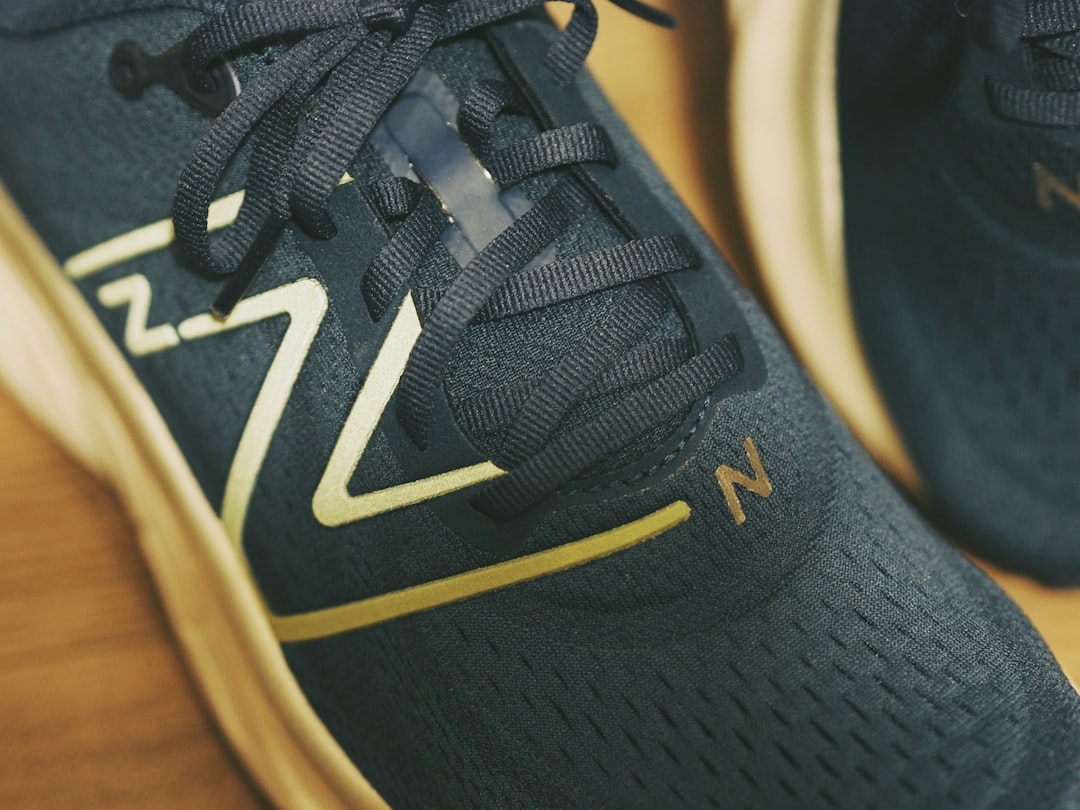
What makes the 574 so uniquely suited to modern wardrobes lies in its design philosophy. The shoe features a combination of suede and mesh uppers, an exaggerated EVA midsole that provides that distinctive chunky look, and the iconic N logo emblazoned on the side panel. These elements together create a shape that is unmistakably eighties, but not so exaggerated that it feels like a costume. The proportions are moderate, the color blocking deliberate, and the overall aesthetic is one of understated functionality. This allows the 574 to slip effortlessly into contemporary outfits without overwhelming them, acting as a bridge between the analog past and the digital present.
The current renaissance of the 574 is not accidental. It coincides with a broader cultural shift toward nostalgia, sustainability, and the rejection of hyper-commodified luxury. In an era where sneaker releases are dominated by limited drops, resale bots, and celebrity collaborations, the 574 stands as an accessible antithesis. It is readily available, relatively affordable, and historically rich. Wearing a pair signals an appreciation for heritage rather than a desperation for clout. This quiet confidence aligns perfectly with the rise of normcore, gorpcore, and the broader embrace of utility-driven fashion.
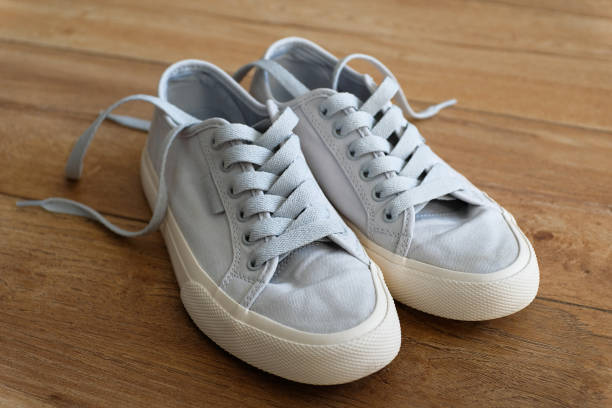
Styling the 574 in a modern context requires a balance between honoring its roots and pushing its boundaries. A classic grey pair, with its tonal suede and mesh construction, pairs effortlessly with straight-leg denim, a plain white t-shirt, and an unstructured blazer. This combination plays on the tension between the shoe’s athletic origins and the tailored elements above, creating a look that is simultaneously relaxed and intentional. For a more adventurous approach, consider pairing a brightly colored iteration, such as the maroon or teal versions, with wide-leg cargo trousers and an oversized hoodie. The volume of the pants echoes the chunkiness of the shoe, while the hoodie’s softness mirrors the suede’s texture. The result is a cohesive silhouette that feels both borrowed from the eighties and entirely of the moment.
The beauty of the 574 lies also in its versatility across seasons. During cooler months, it teams well with corduroy pants, crewneck sweaters, and field jackets, allowing the suede to shine against the heavier fabrics. In spring and summer, it works with cropped trousers, no-show socks, and linen shirts, where the mesh panels provide necessary breathability. The shoe’s medium height and padded collar make it suitable for both cuffed and uncuffed pants, giving wearers flexibility in how they present their ankles and socks. This adaptability is rare among retro runners, many of which feel anchored to a specific era or aesthetic.
From a collector’s perspective, the 574 offers a fascinating entry point into the history of running shoe technology. The ENCAP midsole system, which encases polyurethane in a durable EVA shell, was revolutionary for its time, providing both stability and cushioning without excessive weight. While modern runners may scoff at its lack of carbon plates or Pebax foam, the 574’s ride remains comfortable for casual wear, and the visual weight of that chunky midsole has become a defining feature of retro running style. Every step feels grounded, deliberate, and connected to a lineage of functional design.
The 574 also champions the idea that retro running is not merely about copying old looks but about reinterpreting them. Contemporary collaborations, such as those with brands like Miu Miu or Aimé Leon Dore, have taken the base silhouette and elevated it with premium materials, refined color palettes, and subtle tweaks to the tooling. These releases demonstrate that the 574 can evolve while retaining its soul. They also reinforce the notion that accessible sneakers can carry just as much cultural weight as limited editions, provided they are treated with the same design rigor.
Ultimately, the New Balance 574 represents everything that retro running style aspires to be: rooted in history, but not trapped by it. It is a shoe that does not demand attention, yet commands respect. It invites personalization, layering, and experimentation. In a landscape of constant novelty, the 574 offers a rare kind of steadiness, a reminder that true style is not about chasing trends but about finding pieces that endure. For the modern sneaker enthusiast, that endurance is precisely what makes it essential.
Articles