The Evolution of the Canvas Sneaker: From Court to Street
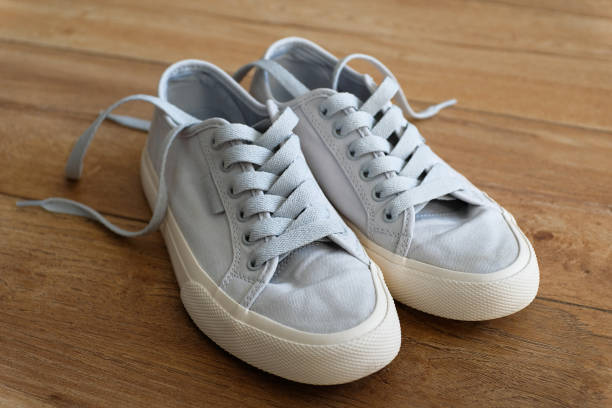
Canvas sneakers occupy a singular place in footwear history, balancing humble beginnings with enduring cultural relevance. Unlike leather or synthetic counterparts that often prioritize performance over breathability, the canvas sneaker has always been defined by its airy, lightweight construction. The woven cotton or linen upper allows heat to escape and moisture to evaporate, making these shoes a natural choice for warm weather. Yet their appeal stretches far beyond seasonal comfort, tracing a remarkable arc from utilitarian sports shoe to global fashion staple.
The roots of the canvas sneaker lie in the late nineteenth century, when rubber manufacturing was still in its infancy. In 1892, the U.S. Rubber Company introduced the first mass-produced rubber-soled canvas shoes, marketed under the name “Keds.” These early models were revolutionary because they offered a silent, flexible alternative to the stiff leather boots of the era. The term “sneaker” itself is thought to have been coined around this time, referring to the shoe’s ability to let wearers move without noise. Meanwhile, across the Atlantic, a small British company named Dunlop began producing canvas plimsolls, which became a staple for schoolchildren and seaside vacations alike. But it was the marriage of canvas and vulcanized rubber that truly set the stage for the sneaker’s future.
The mid-twentieth century witnessed the canvas sneaker’s first major cultural leap. In 1917, the Converse Rubber Shoe Company released the All Star, a high-top canvas basketball shoe. Its breakthrough came when a young hoops player named Chuck Taylor began endorsing and improving the design, adding ankle support and a star-shaped logo. By the 1960s, the Chuck Taylor All Star had transcended the basketball court to become a symbol of rebellion, adopted by rock musicians, artists, and counterculture youth. Similarly, Vans emerged in 1966 with the Authentic, a deck shoe built from thick canvas and a waffle-tread sole that gripped skateboards like no other. These two brands—Converse and Vans—cemented the canvas sneaker’s status as a canvas for self-expression.
Warm weather remains an ideal context for canvas sneakers because of their inherent breathability. The woven fibers create countless micro-channels for air circulation, preventing the foot from becoming clammy even in high humidity. Unlike leather, which can trap heat and require break-in periods, canvas molds to the foot quickly and remains supple. This makes canvas sneakers particularly suited to walking, light hiking, or simply lounging on a sunny afternoon. They also dry faster than many other materials after an unexpected rain shower, though they are not waterproof. For collectors and enthusiasts, this breathability is not just a comfort feature but a practical one: canvas allows the foot to stay cool, reducing the risk of blisters and odor buildup during long wear.
Maintaining canvas sneakers requires a gentle touch, but the effort pays off in longevity. Because the material is porous, dirt and stains can become embedded if left untreated. A simple routine of spot-cleaning with mild soap and water, followed by air-drying away from direct heat, keeps the fabric fresh. Some enthusiasts use a protective spray to repel water and grime without sacrificing breathability. The care process itself has become part of the sneakerhead culture, where cleaning a beloved pair of canvas Chucks or Vans is almost a meditative ritual. The visible wear and patina of canvas sneakers—faded colors, scuffed rubber toes—are often celebrated rather than hidden, lending each pair a unique history.
In recent decades, the canvas sneaker has undergone further reinvention. Luxury fashion houses have reinterpreted the classic silhouette using high-end canvas blends, while sustainable brands now produce canvas uppers from organic cotton or recycled fibres. The environmental footprint of canvas is generally lower than that of synthetic materials because it is biodegradable and requires less energy to manufacture. For the eco-conscious sneaker enthusiast, canvas offers a compelling alternative to petroleum-based plastics and heavily tanned leathers. At the same time, technological advances have introduced moisture-wicking linings and cushioned insoles that enhance comfort without compromising the material’s airy feel.
Perhaps the most enduring appeal of the canvas sneaker is its democratic nature. It belongs to no single subculture. From skateparks to classrooms, from beach boardwalks to art galleries, the canvas sneaker appears in every context. Its simplicity allows it to pair seamlessly with jeans, shorts, chinos, or even tailored trousers, making it a year-round wardrobe anchor. In warm weather, the low-top varieties become especially essential, offering an almost second-skin feel. The white canvas sneaker, in particular, has become a universal symbol of understated style, a blank slate that complements any outfit.
The evolution of the canvas sneaker is a story of adaptation and resilience. From its origins as a silent athletic shoe to its reign as a cultural icon, the canvas upper has proven that breathability need not come at the expense of character. As temperatures rise and fashion cycles continue to circle back to comfort, the canvas sneaker remains a steadfast classic—cool in every sense of the word.
Articles