The Resurgence of the Platform Sneaker: From 1990s Nostalgia to Modern Runway Staple
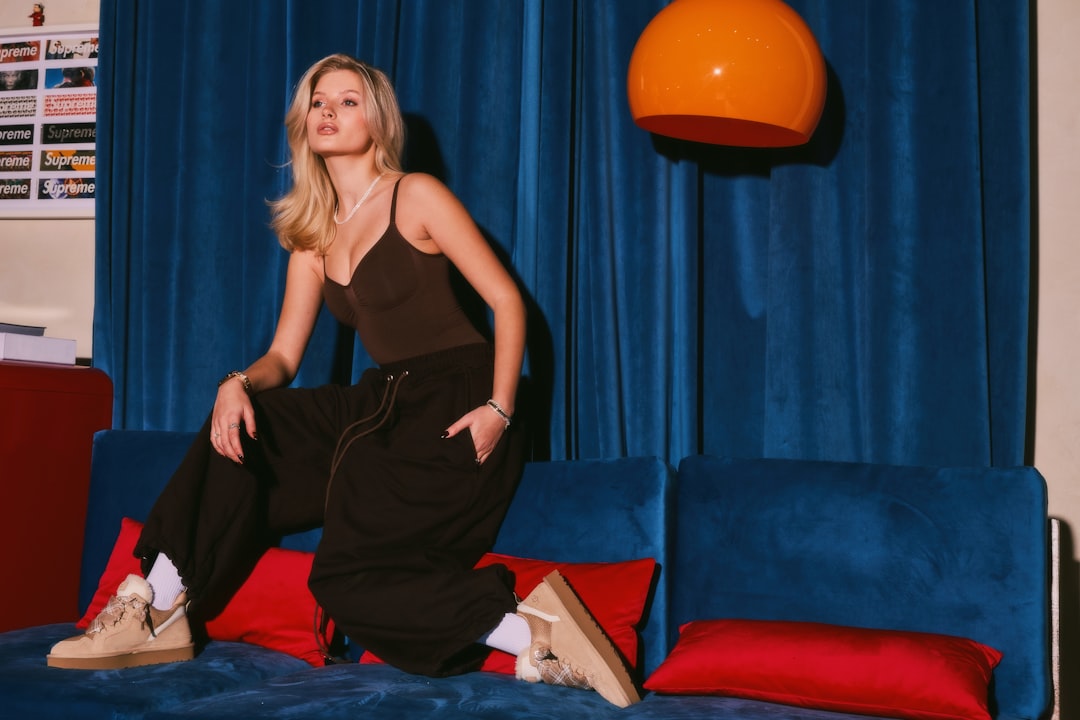
The platform sneaker has undergone a remarkable transformation over the past decade, evolving from a relic of late-1990s and early-2000s fashion into one of the most ubiquitous silhouettes in contemporary streetwear. What began as a bold, almost cartoonish departure from the minimalist sneaker trends of the 2010s has now cemented itself as a cornerstone of statement footwear, bridging the gap between athletic function and avant-garde style. Understanding the platform sneaker’s journey requires examining its historical roots, the cultural forces that revived it, and the design innovations that have allowed it to remain relevant across seasons and subcultures.
The origins of the platform sneaker can be traced back to the 1970s, when disco culture and the rise of women’s athletic wear first combined exaggerated soles with casual comfort. However, it was the 1990s and early 2000s that truly defined the platform aesthetic, driven by the popularity of chunky trainers like the Skechers Energy, the Buffalo London platform sneakers, and the infamous Fila Disruptor. These shoes were not subtle. They featured thick, layered midsoles, exaggerated tread patterns, and an almost defiant disregard for the sleek, performance-oriented designs that dominated running shoes. They were worn by pop stars, skaters, and club-goers alike, symbolizing a playful rebellion against the norms of conventional footwear.
But by the mid-2000s, the fashion pendulum swung sharply toward minimalism. Brands like Nike, Adidas, and New Zealand-based Allbirds popularized slim, low-profile sneakers that prioritized clean lines and lightweight construction. The platform sneaker was largely relegated to discount racks and children’s shoe aisles, dismissed as a gauche relic of a bygone era. For nearly a decade, it seemed the chunky silhouette had permanently fallen out of favor.
Then came the 2010s, a decade defined by the revival of 1990s aesthetics across music, fashion, and pop culture. The resurgence began quietly with the rise of “dad shoes” — a term coined to describe deliberately clunky, retro-styled sneakers that appeared on runways and street style blogs. Brands like Balenciaga led the charge with the Triple S, a monstrously oversized sneaker that blended athletic mesh, suede, and leather with a sole so thick it seemed to defy gravity. The luxury market’s endorsement of the platform silhouette signaled a seismic shift. Suddenly, that which had been considered ugly became desirable. High fashion and fast fashion alike scrambled to offer their own interpretations, and the platform sneaker was reborn.
This modern iteration of the platform sneaker is not a simple rehash of its 1990s predecessor. Contemporary designs incorporate advanced materials, ergonomic considerations, and a more refined approach to volume. While the original platforms often added height by stacking layers of heavy EVA foam, today’s sneakers use lightweight phylon, air pockets, and injected thermoplastic polyurethane to achieve the same dramatic elevation without excessive weight. Brands are also experimenting with transparent soles, sculptural cutouts, and hybrid constructions that merge chunky outsoles with knit uppers, creating a look that is simultaneously nostalgic and futuristic.
The cultural appeal of the platform sneaker lies in its dual functionality. On one hand, it offers literal elevation, adding three to six inches of height while providing the comfort of a traditional sneaker. This has made it particularly popular among individuals who seek a subtle confidence boost without the discomfort of high heels. On the other hand, the platform serves as a canvas for self-expression. Its exaggerated proportions allow designers to play with color blocking, texture contrast, and logo placement in ways that slim sneakers cannot accommodate. The result is a shoe that functions as a wearable sculpture, a conversation starter that immediately signals a wearer’s awareness of current trends.
From a styling perspective, the platform sneaker has proven remarkably versatile. It can anchor a minimalist outfit, adding visual weight to an otherwise simple jeans-and-tee combination. Alternatively, it can complement bold, maximalist ensembles, layering pattern upon pattern without clashing. The platform has also found a home in multiple subcultures, from the glitter-soaked world of K-pop idol fashion to the gritty, utilitarian aesthetic of techwear enthusiasts. Designers have produced platform sneakers in neon colors, monochrome palettes, metallic finishes, and even textured fabrics like velvet and corduroy, ensuring there is a version for almost every taste.
Critics of the trend argue that the platform sneaker is impractical for athletic activity, but that criticism misses the point. These shoes are not designed for the gym or the track. They are lifestyle sneakers, meant to be worn on city streets, in nightclubs, and at fashion events. Their weight and bulk are features, not flaws, as they encourage a more deliberate, grounded walking style. Furthermore, many contemporary platform sneakers incorporate removable cushioned insoles, arch support, and breathable linings, making them surprisingly comfortable for all-day wear.
As the 2020s progress, the platform sneaker shows no signs of fading. If anything, it has become a permanent fixture in the footwear landscape, with brands continuously releasing new iterations each season. The trend has also democratized height — something once only achievable through high heels — giving people of all genders an accessible way to alter their silhouette. Whether embraced for its nostalgic charm, its fashion-forward audacity, or its practical benefits, the platform sneaker has earned its place in the sneaker hall of fame. It stands as a testament to the cyclical nature of style, proving that even the most dismissed designs can find new life when reinterpreted through a contemporary lens.
Articles