The Science and Art of Suede in Modern Sneaker Construction
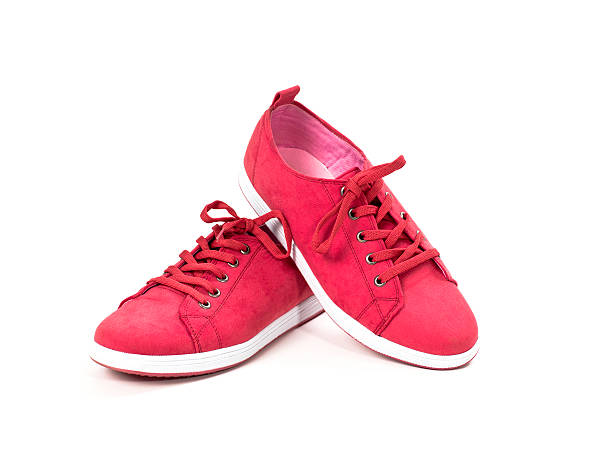
Suede occupies a paradoxical space in the world of sneaker materials. It is simultaneously revered for its luxurious texture and dismissed by some as impractical for performance footwear. Yet no other material carries the same cultural weight, particularly in the heritage sneaker scene and the ever-expanding lifestyle sector. Understanding suede’s role in sneaker construction requires examining its origin, its physical properties, the trade-offs it demands, and the ways modern technology has attempted to mitigate its weaknesses while preserving its coveted aesthetic.
Suede is not a separate type of leather but rather a specific cut. It is produced from the underside of animal hide, typically cowhide but sometimes lamb, goat, or pigskin. This inner layer is softer and more pliable than the outer grain leather, which gives suede its characteristic nap—a fuzzy, textured surface that catches light differently depending on how it is brushed. The process of creating suede involves splitting the hide and then buffing the flesh side with abrasive rollers to raise the fibers. The quality of the final material depends heavily on the thickness and uniformity of the original hide, as well as the skill of the tannery. Full-grain suede, made from the outermost layer split after the grain is removed, is denser and more durable, while split suede from deeper layers is softer but more prone to tearing.
From a performance standpoint, suede offers several surprising advantages. Its fibrous structure provides excellent thermal insulation, making it a natural choice for winter sneaker silhouettes. It also molds to the foot over time, creating a custom fit that synthetic materials rarely achieve. The material’s breathability is moderate—better than synthetic leathers but inferior to mesh. Where suede truly excels is in flexibility. A well-broken-in suede sneaker moves with the foot rather than resisting it, which can reduce friction points and blister formation. However, these benefits come with significant trade-offs. Suede is highly porous, meaning it absorbs water and stains easily. Once wet, it loses structural integrity and can shrink or stiffen as it dries. The nap also collects dirt, dust, and oils from the skin, requiring regular maintenance to keep the material looking fresh. For athletic use, these drawbacks have largely relegated suede to the world of casual and retro sneakers rather than high-performance training shoes.
The most famous suede sneaker in history remains the Puma Suede, launched in 1968 and later adopted by hip-hop culture and breakdancers in the 1980s. Its simple silhouette, platform sole, and supple suede upper became a symbol of street credibility. Similarly, the Nike Dunk Low, particularly the SB versions, often uses suede panels to add depth and contrast to colorways. Adidas continues to rely on suede for its Gazelle and Samba models, blending retro authenticity with modern durability treatments. The material’s ability to take dye creates rich, saturated colors that mesh and synthetic leathers struggle to replicate, which is why limited-edition collaborations almost always feature suede accents.
Modern sneaker brands have addressed suede’s weaknesses through various innovations. Water-repellent coatings, applied during manufacturing, create a hydrophobic barrier that allows liquid to bead up and roll off before it penetrates the fibers. These treatments must be reapplied over time, but they extend the life of a suede sneaker considerably. Some brands use a process called “suede coating” or “synthetic suede,” which is actually a microfiber material engineered to mimic the texture and nap of real suede without the same porosity. While purists often reject these alternatives, many sneaker collectors appreciate their consistency and ease of care. Another development is the use of laser-etched patterns on suede, which adds visual interest without the weight of an additional material. This technique allows designers to create complex textures that appear woven or embossed, expanding the creative possibilities of suede beyond simple dye jobs.
Maintaining suede requires patience and the right tools. Brushing with a brass-bristle brush lifts the nap and removes surface dirt. A suede eraser can scuff away marks, while a specialized spray restores water repellency. Steam cleaning is effective for deeper stains but must be done carefully to avoid shrinking. The ritual of caring for suede sneakers has become part of the collector culture, with enthusiasts sharing techniques for restoring vintage pairs. This maintenance aspect actually adds to the material’s allure—it demands attention, and that attention creates a deeper connection between the owner and the shoe.
In the broader context of sneaker materials, suede represents a compromise between tradition and modernity. It cannot match the waterproofing of Gore-Tex or the breathability of engineered knit, but it offers something those materials cannot: an organic, living quality that changes with wear. Each scuff and patina tells a story. For the sneaker enthusiast who values history, aesthetics, and the tactile experience of a shoe, suede remains an essential part of the material landscape. It is not the most practical choice for a marathon or a rainy commute, but it is perhaps the most emotional one, and that emotional resonance is precisely why suede endures.
Articles