The Science Behind Waterproof Hiking Sneakers: How Technology Keeps Your Feet Dry on the Trail
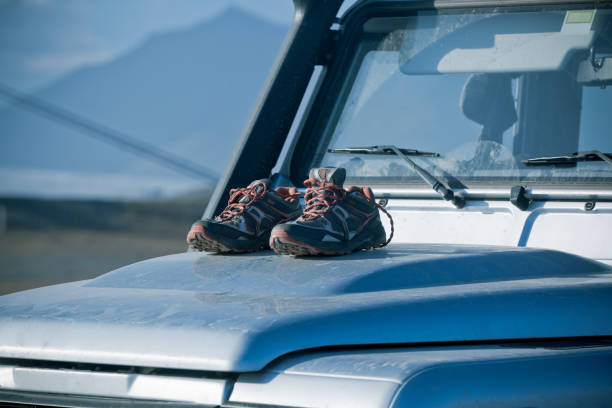
A pair of hiking sneakers is far more than a fashion statement on rugged terrain. It is a carefully engineered system designed to protect the foot from moisture, abrasion, and impact while maintaining the flexibility and comfort that distinguish sneakers from traditional boots. The evolution of waterproofing technology has transformed the hiking sneaker from a niche product into a cornerstone of outdoor footwear, allowing enthusiasts to tackle streams, mud, and rain without sacrificing lightness or agility. Understanding the science behind these features reveals why durability and waterproofing are not just marketing claims but essential elements of trail performance.
At the heart of modern waterproof hiking sneakers lies the membrane. The most famous example is Gore-Tex, a polytetrafluoroethylene (PTFE) laminate that contains billions of microscopic pores. Each pore is about twenty thousand times smaller than a water droplet, preventing liquid water from entering while allowing water vapor from perspiration to escape. This breathability is critical: without it, feet would soak in sweat as quickly as they would in a puddle. Competitors such as eVent use a different approach, employing a microporous membrane that breathes more efficiently under high activity levels, while proprietary technologies like H2O-Dry or HydroGuard combine membranes with durable water repellent (DWR) coatings on the outer fabric. The DWR forces water to bead up and roll off instead of saturating the textile, but it wears off over time and must be reapplied to maintain optimal performance.
Beyond the membrane, the construction of the sneaker upper plays a pivotal role in both waterproofness and durability. A bootie construction—where the inner lining forms a sealed, sock-like layer that extends up to the collar—prevents water from seeping in through seams. Cheaper designs may rely on sprayed-on waterproof coatings that crack and flake after repeated flexing. High-end hiking sneakers stitch the membrane to a robust ripstop nylon or polyester mesh, reinforced with rubber toe caps and heel counters. These reinforcements protect the sneaker from rock strikes and sharp branches that could puncture the delicate membrane. The outsole is equally important: Vibram Megagrip, Continental Rubber, and similar compounds provide exceptional traction on wet surfaces, reducing the likelihood of a slip that sends the foot into a submerged puddle. The lugs are deep and widely spaced to shed mud, and the midsole often incorporates shock-absorbing EVA or TPU shanks for stability on uneven ground.
Yet technology alone is not enough without proper maintenance. The most advanced waterproof hiking sneaker will fail if the user neglects to clean mud from the crevices or fails to refresh the DWR coating. Over time, dirt and oils clog the pores of both the membrane and the outer fabric, reducing breathability and waterproofing. Experts recommend washing sneakers with a gentle, non-detergent cleaner, drying them at room temperature, and applying a spray-on or wash-in waterproofing treatment every few months or after heavy use. Similarly, the insole and lacing system contribute to the seal: a gusseted tongue prevents debris and moisture from entering the top of the shoe, and quick-lace systems with locking eyelets allow for a snug fit that eliminates gaps.
The trade-off between waterproofing and breathability remains an ongoing challenge. A fully waterproof sneaker will always be less breathable than a non-waterproof mesh sneaker because the membrane restricts airflow. For hot, dry trails or stream crossings where water might splash inside despite the membrane, many hikers prefer a quick-draining, non-waterproof model that dries rapidly. However, for cold, wet climates or extended trips where keeping feet dry is a priority, a Gore-Tex hiker is indispensable. Some brands now offer hybrid designs with a water-resistant exterior and breathable mesh panels in areas that rarely contact water, striking a middle ground.
Ultimately, the hiking sneaker is a testament to materials science and human ingenuity. The same principles that keep a mountain tent dry—laminate membranes, sealed seams, and DWR—are miniaturized and integrated into a flexible, lightweight package that fits into a carry-on bag. As consumers demand more from their gear, manufacturers continue to innovate with recycled materials, PFAS-free waterproofing, and improved longevity. For the sneaker enthusiast who also loves the outdoors, understanding these technologies transforms the purchase from a simple choice of color and brand into an informed decision about how to stay comfortable, dry, and safe on every trail.
Articles