The Science of Ankle Support in High-Top Basketball Sneakers: Grip and Stability Redefined
The high-top basketball sneaker is far more than a stylistic relic from the era of Michael Jordan or a nostalgic nod to the playgrounds of the 1980s. It is a meticulously engineered piece of athletic equipment designed to solve one of the most persistent problems in basketball: the vulnerable ankle. Every jump, every sudden cut, every defensive slide places immense torque on the lateral and medial ligaments that stabilize the foot. High-top sneakers, with their characteristic extended collars that wrap above the ankle bone, are purpose-built to resist excessive inversion and eversion, reducing the risk of sprains that can sideline a player for weeks. Yet ankle support alone does not define the modern high-top; grip is equally vital. The synergy between the upper’s containment system and the outsole’s traction pattern determines whether a player can explode off the hardwood with confidence or hesitate in fear of slipping.
The biomechanics of ankle support in high-tops hinge on three interrelated elements: collar height, lacing architecture, and internal heel counter rigidity. A collar that rises two to three inches above the malleoli creates a mechanical barrier that limits the range of motion during lateral movements. However, pure height is not enough. Without a secure lockdown system, the foot can lift inside the shoe, rendering the collar useless. Modern high-tops address this through integrated lacing loops that extend high up the shaft, combined with strap overlays or internal booties that hug the Achilles. Some designs, like those using flywire cables or dynamic lacing systems, allow the wearer to tension different zones of the upper independently, locking the heel deep into the counter while leaving the forefoot free to flex. This is critical because overtightening around the midfoot can restrict blood flow and compromise agility. The ideal high-top achieves a balance where the ankle feels cradled but not immobilized, a sensation that players describe as being “one with the shoe.”
Equally important is the outsole’s grip, which must translate every explosive push-off into forward momentum rather than a slip. Basketball courts are notoriously varied—from polished maple hardwood to slightly dusty surfaces left by the previous game. The best high-tops feature multidirectional herringbone patterns that use deep, angular grooves to channel dust away and maintain surface contact. The rubber compound itself matters: a softer durometer creates more friction but wears faster, while a harder compound lasts longer but may slide on clean floors. Some brands now incorporate data-driven tread maps that place smaller, tighter lugs under the forefoot and larger, wider chevrons along the heel, mirroring the pressure distribution of a typical jump-shot landing. This is where ankle support and grip intersect: a stable base beneath the foot allows the upper to do its protective work. If the shoe slips during a crossover, the ankle is suddenly forced into an awkward rotation that no collar height can fully counteract.
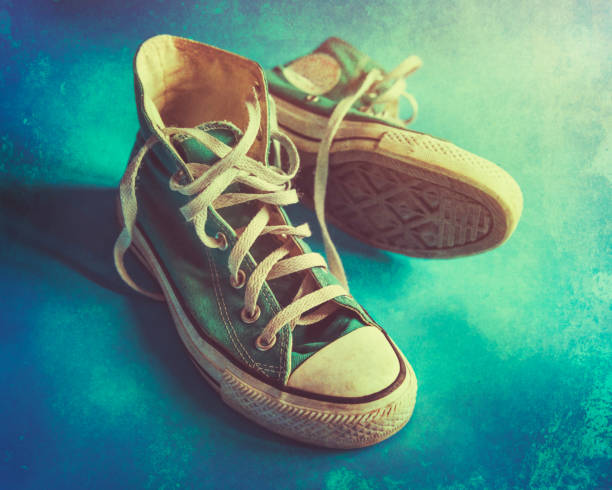
The historical evolution of the high-top reveals an ongoing tug-of-war between protection and mobility. In the early days of canvas Converse All Stars, the high-top provided basic ankle coverage but little structural support. The leather era of the 1980s introduced padded collars and foam ankle pods, but these often compromised breathability and flexibility. Then came the Air Jordan series, which popularized the notion that a high-top could be both a performance tool and a lifestyle statement. Over the past decade, the trend has swung toward lower-cut designs as strength training and prophylactic taping reduced the perceived need for tall collars. Yet the high-top has refused to disappear. Modern materials such as knit composites and thermoplastic polyurethane films have allowed designers to reduce weight while maintaining or even improving ankle encapsulation. The result is a new generation of high-tops that are lighter, more breathable, and more responsive than their predecessors, yet still offer the lateral stability that many players instinctively trust.
For the serious player, choosing a high-top is not merely about brand loyalty or colorway preference. It requires an honest assessment of one’s own ankle history and playing style. Players with a past of inversion sprains often gravitate toward models with external heel clips or articulated ankle straps that provide an extra layer of resistance. Guards who rely on rapid direction changes may prefer a lower-profile high-top with a flexible collar, while big men who land under the rim need a stiffer, more supportive chassis. The grip pattern must match the court conditions: aggressive multidirectional treads are ideal for outdoor concrete or dusty gyms, whereas more linear patterns can suffice for pristine indoor floors. Trying on high-tops with a basketball sock and performing a few mock defensive slides in the store reveals whether the heel lifts or the collar digs in uncomfortably.
Ultimately, the high-top basketball sneaker remains one of the most sophisticated examples of footwear engineering, balancing the conflicting demands of protection, traction, and freedom of movement. It is a testament to the fact that the human ankle, despite centuries of evolution, still requires external assistance when subjected to the forces of competitive basketball. The best high-tops do not simply wrap the ankle; they work with the foot’s natural geometry to prevent injury without impeding performance. Whether you are a weekend warrior or a aspiring professional, understanding the relationship between ankle support and grip can transform your experience from one of chronic uncertainty to confident, explosive play. The court rewards those who trust their footwear, and the high-top, when properly designed, is a partner that will not let you down.
Articles