The White Sneaker vs. The Chunky Dad Shoe: A Study in Minimalist and Maximalist Silhouette Preferences
At the heart of every sneaker collection lies a quiet but persistent tension between two opposing forces: the urge to strip away and the compulsion to pile on. This friction manifests most vividly in the enduring rivalry between the white sneaker and the chunky dad shoe. One whispers sophistication; the other shouts personality. Examining these archetypes reveals not just a difference in design, but a deeper philosophical stance on how we present ourselves to the world through footwear. The white sneaker, with its clean lines and neutral palette, represents the minimalist creed of reduction, purity, and intentional restraint. It demands that the wearer trust the power of absence—that a smooth, unbroken surface can speak louder than any logo or exaggerated sole. This philosophy prizes versatility above all else. A well-chosen white leather or canvas low-top can slide effortlessly from tailored trousers to raw denim to even a simple summer dress, acting as a visual anchor that never competes for attention. The minimalist argument holds that the foot itself should be the star, not the shoe’s attempt to reinvent the wheel. Brands like Common Projects, Axel Arigato, and Veja have built entire identities around this ideal, offering near-perfect proportions, subtle stitching, and a color so neutral it almost disappears. The result is a shoe that ages gracefully, each scuff and crease telling a story of use rather than shouting for validation.
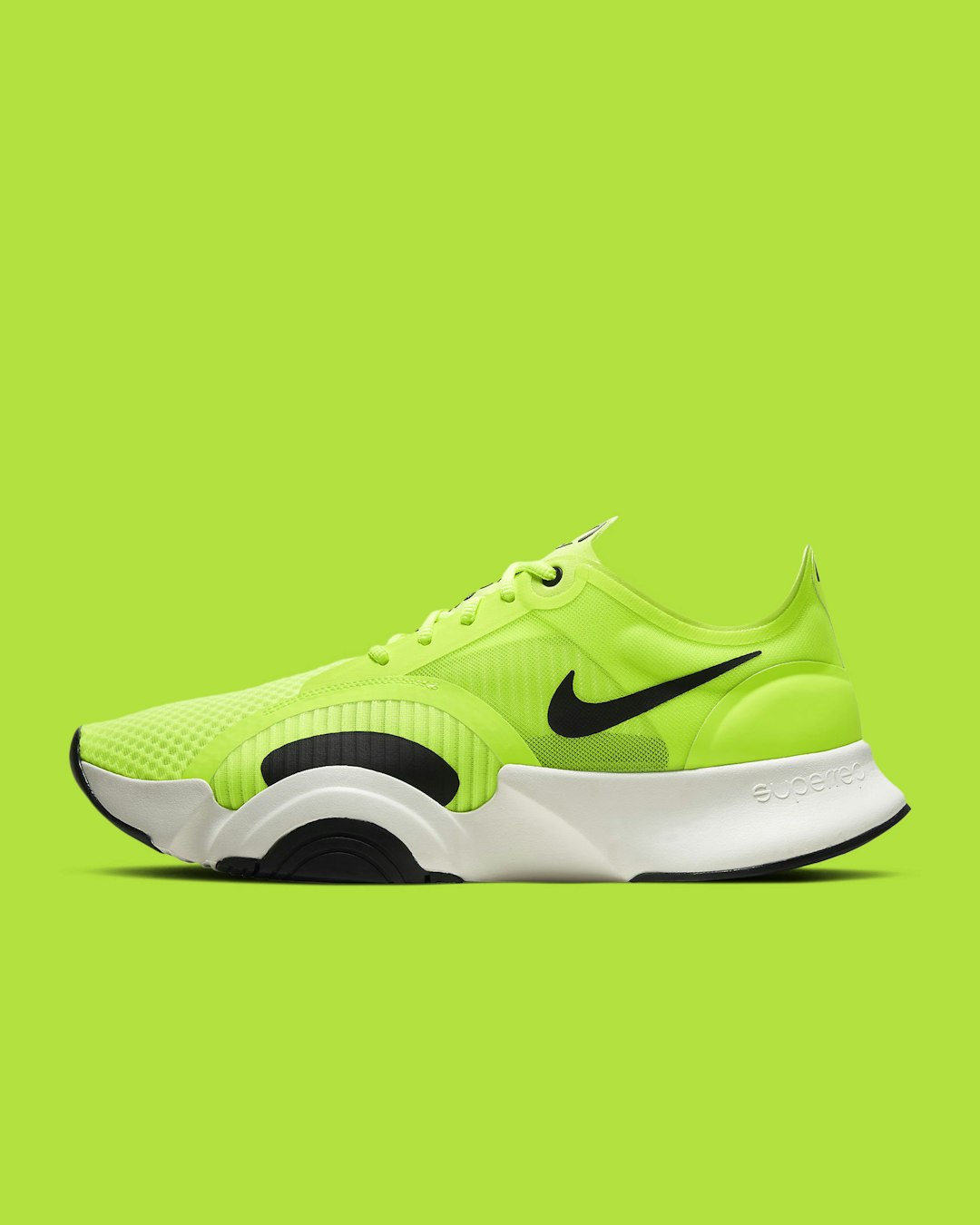
On the opposite end of the spectrum, the chunky dad shoe—pioneered by the Balenciaga Triple S and later adopted by New Balance, ASICS, and Adidas—embraces maximalist abundance with gleeful abandon. These shoes pile on layers of materials: mesh overlays, rubber cladding, exaggerated heel counters, and often three or four contrasting colors in a single model. Their silhouette is deliberately bulky, almost clunky, as if the designer dared the wearer to defy conventional notions of elegance. The maximalist philosophy here is not about reduction but about amplification. Every element is a statement: the visible Air units, the oversized tongue, the reflective panels. The wearer of a chunky dad shoe is not trying to blend in but to stand out, often pairing them with slim or cropped pants to emphasize the volume below. This approach aligns with a broader cultural shift toward playfulness and irony in fashion, where wearing something deliberately “ugly” becomes a mark of confidence and insider knowledge. The chunky shoe says, “I know this is extreme, and I embrace it.” It creates a visual paradox—a heavy, substantial object that paradoxically makes the wearer feel light on their feet because they are no longer bound by the rules of subtlety.
Yet the dichotomy is not absolute. Both philosophies share a common truth: they succeed only when executed with intention. A minimalist white sneaker fails if the leather is cheap, the last is lumpy, or the sole is too thin to provide comfort. A maximalist chunky shoe fails if the proportions are unbalancing in a way that feels accidental rather than deliberate. The best examples of each genre demonstrate a rigorous attention to detail, whether that detail is the absence of a branding mark or the precise placement of a neon accent. Moreover, the two styles inform one another. Minimalist designers sometimes borrow the chunky look but strip it of color, creating a monochrome beast that walks the line between both worlds. Maximalist designers occasionally release all-white versions of their clunkers, allowing the silhouette alone to do the talking without the noise of a color palette. This cross-pollination suggests that the real underlying principle is not minimalism versus maximalism but the pursuit of a strong, coherent idea. A white leather Stan Smith may have nothing in common with a rainbow-hued Yeezy 700, yet both achieve their impact through total commitment to their respective visions.
For the sneaker enthusiast, the choice between these two poles often reflects mood, occasion, and identity. A minimalist might reach for a white sneaker on a day when they want to feel clean, focused, and uncluttered. A maximalist might choose a chunky dad shoe when they want to inject energy, fun, and a dash of rebellion into an otherwise ordinary outfit. Neither approach is superior; they are simply different languages. The most versatile collections contain at least one example from each camp, allowing the wearer to toggle between Zen and chaos as the situation demands. Ultimately, the white sneaker versus the chunky dad shoe is not a battle to be won but a conversation to be engaged. Both speak to our deepest fashion instincts—the desire for simplicity that offers clarity, and the desire for excess that offers joy. In that tension lies the very heartbeat of sneaker culture.
Articles