The Science of Board Feel: How Flat Soles and Thin Midsoles Shape Skateboard Control
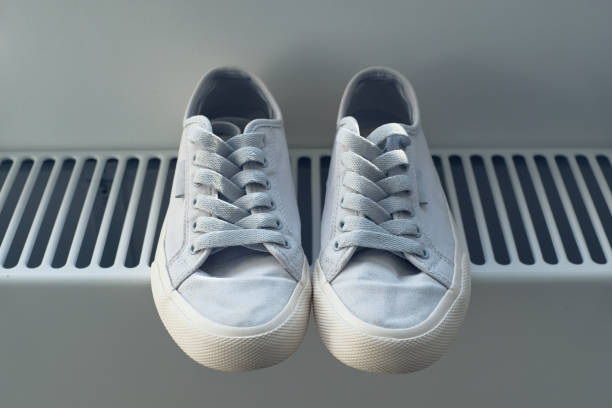
Board feel is the tactile conversation between a skater and the deck. It begins at the outsole, where a flat sole places the foot close to the board with minimal arch lift and little midsole material in between. This proximity lets pressure changes travel quickly from the deck to the foot. When a skater shifts weight for a kickflip, the edge of the foot can read the board’s edge with less delay. When landing, the same closeness gives immediate feedback about balance and contact points. For technical street skating, that immediacy matters because tricks are often adjusted in fractions of a second. A flat sole does not guarantee better skating, but it creates a more direct channel for control.
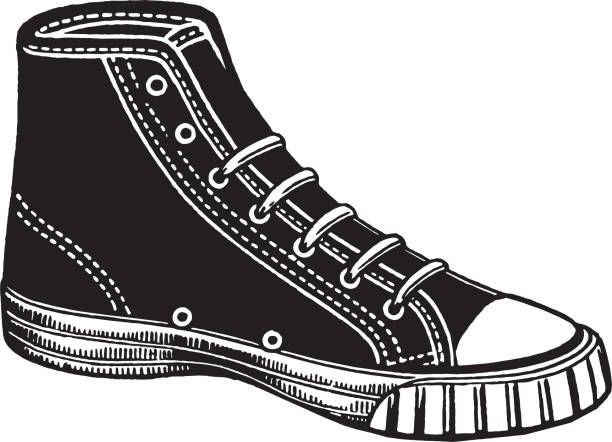
The amount of board feel depends on stack height, sole thickness, and material hardness. A vulcanized sole, common on flat-soled skate shoes, uses a thin rubber outsole bonded to the upper with heat and pressure. The result is flexible, low-profile, and sensitive. A skater can feel the concave of the deck, the location of the bolts, and the moment the tail snaps against the ground. Cupsole construction, by contrast, sandwiches a thicker midsole between foot and outsole. It offers more impact protection and structure, but it can mute the board’s contours. Many modern skate shoes try to balance the two by using a cupsole with a thinner forefoot or a vulcanized shoe with a reinforced insole. The goal is not simply to be thin; it is to preserve useful feedback without leaving the foot defenseless.
Grip and flick are closely tied to flat soles. A level outsole spreads contact across the deck rather than concentrating pressure on a raised arch or heel. That even contact helps the shoe sit flush during ollies and manual tricks. Tread patterns matter less for flatness than for how rubber compounds interact with grip tape. Softer rubber may grip well but wear quickly; harder rubber may last longer but feel slippery until scuffed. The toe shape also shapes flick. A slimmer toe box lets the foot roll and release from the board with less bulk catching on the griptape. A flat sole supports that motion by keeping the shoe’s base predictable, so the skater can judge where the board will meet the foot during flip tricks.
Maximum board feel comes with tradeoffs. Thin, flat soles transmit impact as clearly as they transmit control. Repeated landings on stairs and gaps can stress the feet, ankles, and knees. Insoles become important because they can add cushioning without dramatically changing the sole’s profile. Flat soles also wear through faster, especially in the ollie area and pivot points. Suede, leather, or reinforced toe panels can extend durability, but the outsole’s rubber and thickness remain central to the shoe’s lifespan. Skaters who prioritize technical precision often accept faster wear in exchange for sensitivity. Skaters who jump larger gaps may prefer more cushioning and a slightly thicker sole, even if the board feels less intimate.
Flat soles also influence technique. Because the foot sits low, skaters can make smaller adjustments with the toes and ball of the foot. This can help with edge control on transitions, quick foot repositioning before a trick, and feeling the board’s rotation in the air. On ramps and bowls, a flat sole can improve the sense of connection when pumping and carving, though some riders prefer a stiffer sole for support. Street skaters who rely on flip tricks often value the way a flat sole lets the shoe wrap around the board’s edge. The shoe becomes an extension of the foot rather than a platform between foot and deck.
The best flat-soled skate shoe is not the thinnest one available. It is the one that preserves board feel while managing impact, durability, and fit. A close fit prevents the foot from sliding inside the shoe, which can blur feedback. A flexible forefoot allows natural movement, while a stable heel keeps landings controlled. Flat soles are therefore less a single feature than part of a system: outsole, midsole, insole, upper, and fit working together. For skaters who want maximum board feel, that system should make the deck feel closer, clearer, and more predictable without ignoring the body’s need for support.