The Wide-Foot Sizing Playbook: Comfort, Fit, and Performance Without Compromise
A sneaker only performs as well as it fits. A model can have responsive foam, a supportive plate, and a grippy outsole, but if the upper pinches the forefoot or the heel slips with every stride, those features become irrelevant. For runners, walkers, and everyday wearers with wide feet or high insteps, finding the right size is less about chasing a number and more about matching volume, shape, and lockdown to the foot. Sizing labels vary across brands and even within models, so a disciplined fitting process matters more than brand loyalty or a single measurement.
Start by measuring the foot late in the day, when natural swelling has peaked. Measure both feet while standing and wearing the socks you plan to use. Record heel-to-toe length and forefoot width, and if possible, use a Brannock device as a starting reference rather than a final verdict. A flexible tape measure around the instep can reveal whether volume, not length, is the real issue. A high instep often requires a separate check because the circumference around the top of the foot can make a correctly sized shoe feel tight across the tongue. Width letters and half sizes are useful signals, but they are not standardized. The same size 10 in two different models can feel like two different shoes.
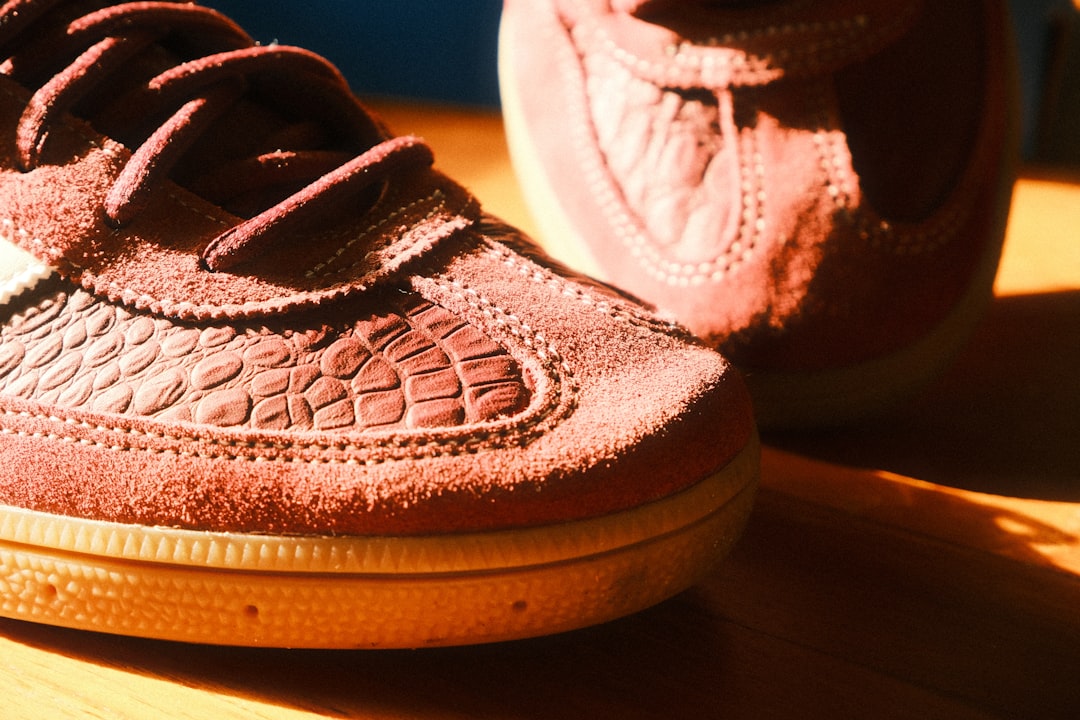
Upper construction changes everything. Soft knit uppers may accommodate a wider forefoot, yet they can also allow the foot to slide. Leather and suede often mold over time, while synthetic overlays and stiff toe caps hold their shape and may press against the toes. Toe box shape matters as much as width measurement; a rounded, roomy toe box supports natural toe splay, while a tapered design can crowd the smaller toes even when the length feels correct. For high insteps, look for adjustable lacing, a gusseted tongue, and a vamp that does not sit too low. Slip-on styles can be convenient, but they offer less tuning for volume.
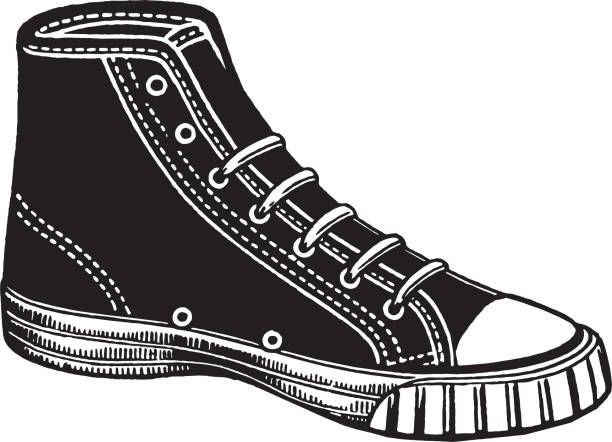
Lacing is a free fitting tool. If pressure builds across the top of the foot, skip an eyelet pair or use a window lacing pattern to redistribute tension. If the heel lifts, tighten the upper eyelets and try a heel-lock configuration that pulls the ankle back into the heel counter. If the midfoot feels unstable, use a runner’s loop or add an extra turn before tying. These adjustments can turn a nearly right shoe into a precise one, but they cannot fix a length that is too short or a forefoot that is fundamentally too narrow.
Test fit indoors before committing to outdoor wear. There should be roughly a thumb’s width between the longest toe and the end of the shoe when standing, though personal preference and downhill running needs may vary. The heel should stay seated without pressure, the midfoot should feel secure rather than pinched, and the toes should have room to spread. Walk, jog, and change direction on carpet. Pay attention to pressure points, numbness, and any sensation of sliding. A shoe that causes discomfort in the first ten minutes rarely becomes perfect after a long run.
Brand and model reviews can guide expectations, but fit feedback should be filtered through your own measurements. One runner’s “true to size” may describe a narrow foot, while another’s “size up” may reflect a high-volume instep. Keep notes on brands, models, sizes, sock thickness, and insole use. Aftermarket insoles can consume volume, so test them in the shoe before relying on them. Orthotics may require a deeper or removable insole. Break-in periods vary too: leather can soften and mold, knit can relax, and synthetic materials may barely change. Never expect stretch to add length.
The goal is balanced comfort and performance. Too much space invites heel slip, blisters, and unstable landings; too little space produces numbness, black toenails, and midfoot fatigue. The best fit offers secure lockdown without pressure, room for toe splay without sliding, and a heel that stays planted without squeezing. By measuring carefully, understanding upper materials, using lacing strategically, and testing in real conditions, wide-footed and high-instep wearers can find sneakers that feel comfortable from the first mile and perform consistently over many more.