The Science of Mesh: How Modern Knit Uppers Revolutionize Summer Sneaker Ventilation
When the mercury climbs and the pavement shimmers with heat, the sneaker enthusiast faces a dilemma: preserve the aesthetic of a favorite pair or surrender to sweat-soaked feet in the name of style. For those who refuse to compromise, the answer lies not in abandoning sneakers during the hot months but in understanding the technical evolution of breathability. Modern ventilation engineering, powered by advanced knit uppers and strategic material placement, has transformed the summer sneaker from a suffocating burden into a surprisingly breathable performance tool. But not all mesh is created equal, and the difference between a well-ventilated shoe and a swampy trap often comes down to a combination of fiber composition, weave density, and internal airflow architecture.
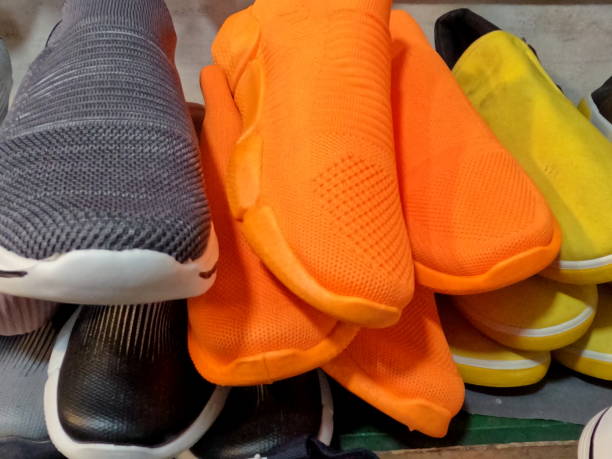
At the heart of breathability is the simple physics of air movement. A sneaker’s upper must allow hot, moisture-laden air to escape while permitting cooler, drier air to enter. Traditional leather and thick synthetic overlays block this exchange, but the shift toward engineered knit uppers—pioneered by Nike’s Flyknit and Adidas’s Primeknit—marked a turning point. These materials are not woven from uniform yarns; they are computer-designed to vary density across the upper, creating zones of high ventilation where the foot generates the most heat and perspiration. For example, the forefoot and toe box often feature an open, almost gauzelike mesh, while the midfoot and heel receive denser, more supportive knits. This targeted approach means that a sneaker can be breathable where it counts without sacrificing structural integrity.
Yet material alone does not guarantee performance. The ventilation score of a sneaker, as measured in lab tests, depends on several factors: the size and frequency of perforations, the thickness of the yarn, the presence or absence of a moisture-wicking lining, and the overall volume of the shoe. Some brands employ a double-layer system, where a thin, highly porous outer shell sits over a more open inner bootie. While this can add comfort, it often reduces airflow because the second layer acts as a barrier. The best-performing summer sneakers, such as the New Balance Fresh Foam X 1080v13 or the ASICS Gel-Nimbus 25, use a single-layer engineered mesh with large, hexagonal or diamond-shaped openings that allow air to pass almost unimpeded. In controlled airflow permeability tests, these models can achieve ventilation scores above 8 out of 10, compared to heavily padded lifestyle sneakers that often score below 3.
Beyond the upper, internal factors like the insole and midsole drainage also play a role. A sneaker with a thick, plush insole made from closed-cell foam will trap heat and moisture, undermining even the best mesh. Many performance running shoes now use a thin, perforated sockliner that allows air to circulate beneath the foot, and some even incorporate channels in the midsole foam to direct airflow from the forefoot to the heel. This internal ventilation architecture is subtle but critical: if the shoe lacks a path for air to exit, the mesh becomes little more than a decorative feature. In hot weather testing, models with full-length drainage ports or lateral vents—like the Adidas Ultraboost Light—show significantly lower foot temperature rises over a thirty-minute wear period compared to sealed counterparts.
However, breathability is not a one-size-fits-all metric. A sneaker that scores highly in a wind-tunnel test might still feel stuffy to a runner who produces excessive sweat, or it might lack the dust and debris protection needed for trail use. The compromise between ventilation and filtration is a perennial challenge. Open meshes invite dirt, sand, and even small pebbles, which is why some hot-weather trail shoes use a combination of large vents on the sides and a denser mesh over the toes. Similarly, urban sneakerheads might prefer a subtle perforated leather or a recycled knit that balances style with airflow, sacrificing a few points on the ventilation score for a cleaner look.
For the dedicated collector, understanding breathability scores can inform not only seasonal rotation but also long-term care. Sneakers that excel in ventilation often accumulate more dust and require more frequent cleaning, but they also dry faster after a summer rain or a sweaty workout. In the world of sneaker culture, where every crease and stain tells a story, the ability to keep feet cool without sacrificing comfort or aesthetics is a modern marvel. Whether you are pounding the pavement in a hyperbreathable racing flat or walking the city in a lifestyle knit, the science of mesh has ensured that hot weather no longer means hot feet. The next time you reach for a sneaker on a sweltering day, remember that every open pore in that engineered upper is a tiny victory of form over function—or, more accurately, a perfect fusion of both.
Articles