The Science of White Sneaker Yellowing: Causes, Prevention, and Restoration
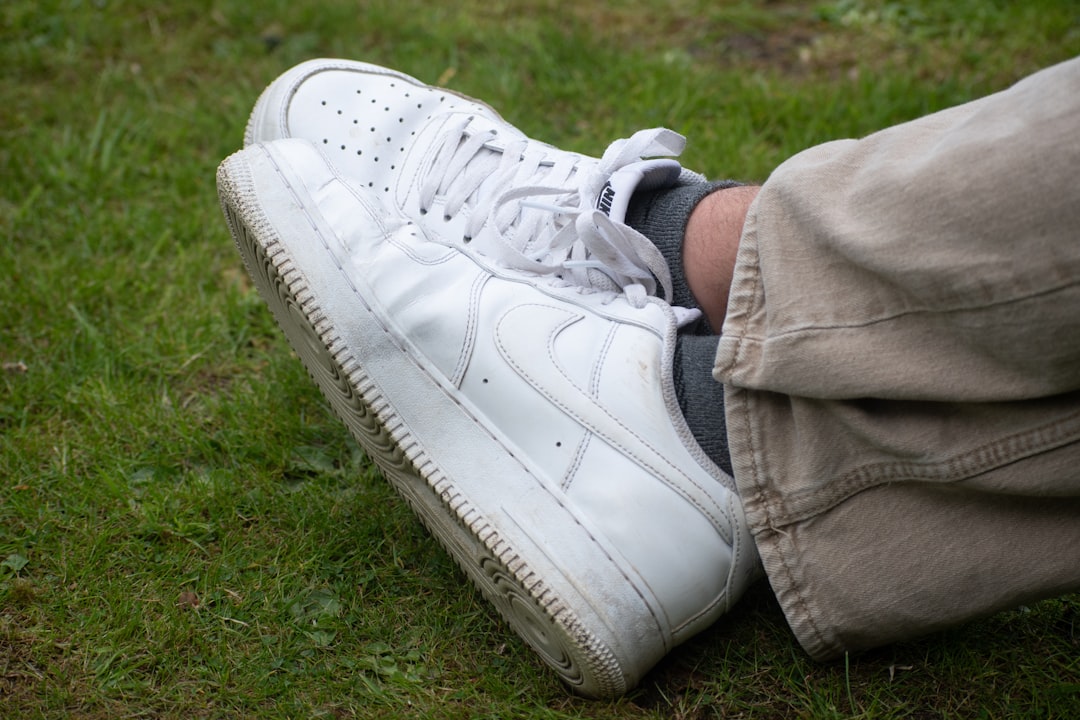
White sneakers hold an almost mythic status in footwear culture, symbolizing freshness, versatility, and a certain pristine confidence. Yet every enthusiast knows the heartbreak of watching that brilliant white begin to shift toward an unsightly butter-yellow or even a dull grayish tint. Understanding why this discoloration occurs is the first step toward preserving the brightness of your favorite pairs, and it involves a surprising interplay of chemistry, material science, and daily wear habits.
At the core of white sneaker yellowing is oxidation. This chemical reaction occurs when the polymers and binders in the materials—especially in rubber soles, synthetic uppers, and foam midsoles—are exposed to oxygen, ultraviolet light, and heat over time. Rubber, for instance, contains unsaturated bonds that react with oxygen, forming peroxides and eventually creating yellow chromophores. This process is accelerated by sunlight, which provides the energy needed to break molecular bonds and rearrange them into colored structures. That is why a pair of white sneakers left on a windowsill will develop an uneven, sickly yellow cast far quicker than a pair stored in a dark closet.
Moisture and sweat play a particularly insidious role. The human foot produces perspiration that contains urea, ammonia, and salt. When these compounds soak into canvas, knit, or leather, they create a slightly alkaline environment that catalyzes oxidation. Over time, the absorbed sweat residue interacts with cleaning product residues, turning into a stubborn yellowish stain that resists simple washing. This is especially common around the toe box and heel collar, areas that absorb the most moisture and friction. Likewise, improper drying—such as placing wet sneakers on a radiator or in direct sunlight—drives the water away but leaves behind the dissolved salts and organic compounds, effectively baking the yellow into the fibers.
Another frequent culprit is the use of inappropriate cleaning agents. Many household cleaners, particularly those containing bleach or strong alkalis, can chemically alter the optical brighteners embedded in white fabrics and rubbers. Optical brighteners are fluorescent compounds that absorb ultraviolet light and reemit it as visible blue light, making the material appear whiter. Bleaching agents can break these brighteners down, leaving a dull, yellowed appearance. Even some so-called “sneaker whiteners” sold in spray cans are too aggressive, stripping away protective coatings and leaving the material porous and more vulnerable to future staining.
So how can a collector or casual wearer fight back against the inevitable yellowing? Prevention is far easier than restoration. First, store white sneakers in a cool, dark, and dry place—ideally in a shoebox or breathable dust bag away from direct sunlight. Silica gel packets can help absorb ambient moisture inside the box. For daily wear, consider using a waterproofing spray designed for white shoes, as it creates a barrier that repels moisture and sweat while also blocking some UV rays. Rotating your sneakers so that no single pair is worn two days in a row gives the materials time to fully dry out, reducing the cumulative chemical attack from foot sweat.
When cleaning is necessary, adopt a gentle, methodical approach. Use a soft-bristled brush and a dedicated sneaker cleaner with a neutral pH, or a mild solution of dish soap and warm water. Avoid soaking the entire shoe; instead, work in targeted circles, then blot away the suds with a damp microfiber cloth. After cleaning, stuff the sneakers with white paper towels to absorb residual moisture and preserve their shape, then let them air dry away from heat or direct sunlight. For rubber soles specifically, a paste of baking soda and hydrogen peroxide applied for a short time can lift surface yellowing without bleaching the base material, but it must be rinsed thoroughly.
For white leather uppers that have yellowed beyond simple washing, a specialized leather whitener or a thin coat of white shoe polish can mask the discoloration. For knit or mesh uppers, a dilute oxiclean soak (if the manufacturer permits) can restore brightness, but always test on an inconspicuous area first. The most stubborn yellowing on midsoles—common on classic low-top silhouettes—can sometimes be reversed with a careful application of salon-grade hydrogen peroxide cream and exposure to indirect UV light, a technique borrowed from retro sneaker restoration communities. However, this procedure requires patience and a protective mask, as the fumes can be irritating.
Ultimately, the pursuit of pristine white sneakers is a discipline of consistent, informed care. Yellowing is not a sign of failure but a natural result of the materials’ interaction with environment and usage. By understanding the chemistry behind the stain, you can choose the right cleaning strategies, storage habits, and protective products to slow the process dramatically. Yes, all white sneakers will eventually show their age, but with the right knowledge, that date can be pushed far into the future, allowing you to enjoy their clean, crisp aesthetic for seasons to come.
Articles