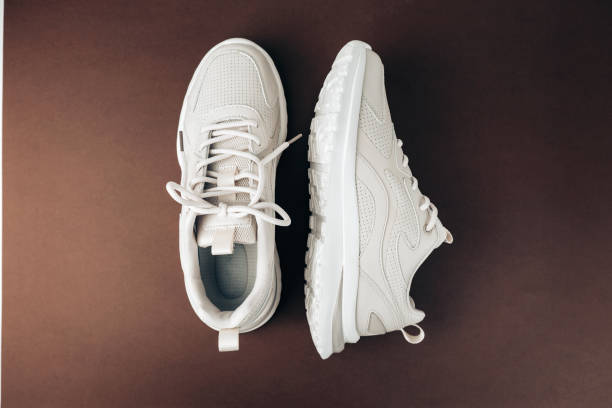
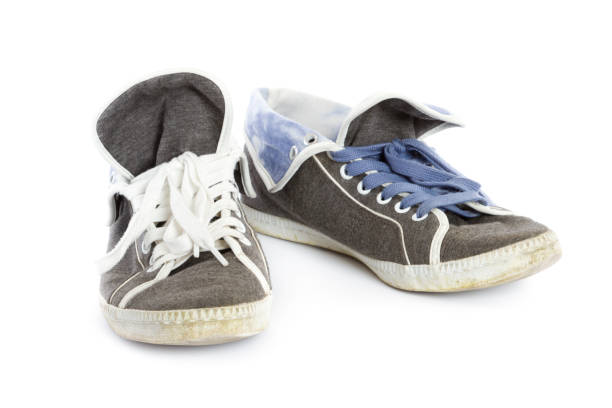
The Silent Yellowing: Preventing and Reversing Oxidation on White Sneakers
There is no sound more deflating to a sneaker enthusiast than the quiet realization, months after a purchase, that the pristine white midsoles of a beloved pair have begun to take on a sickly, amber hue. This phenomenon, known as oxidation, is the single greatest adversary of the white sneaker collector. It is a slow, chemical inevitability, but it is not a hopeless one. Understanding why white sneakers turn yellow is the first step toward a long-term strategy for keeping them bright, and the battle can be won with the right combination of prevention, cleaning technique, and restorative science.
Oxidation is a chemical reaction that occurs when the polymers in sneaker materials, particularly polyurethane and ethylene-vinyl acetate used in midsoles, are exposed to oxygen and ultraviolet light. This process breaks down the molecular structure of the material, causing it to change color. It is the same reaction that turns a cut apple brown, though in sneakers it happens over weeks and months rather than minutes. The most insidious aspect of this reaction is that it accelerates with heat and moisture, meaning that a pair of white sneakers worn on a humid summer day and then stored in a hot car is far more vulnerable than a pair kept in a cool, dark closet.
Prevention is the most effective strategy in the fight against yellowing. The first rule is to avoid direct sunlight for extended periods. While it might be tempting to display white sneakers on a sunlit shelf, ultraviolet rays are the primary catalyst for discoloration. Storage in a dark, temperature-controlled environment is essential. Silica gel packets placed inside each shoe can absorb ambient moisture, slowing the chemical reaction that leads to yellowing. For those willing to invest in serious protection, UV-protective display cases used for comic books or action figures can be adapted for sneakers, filtering out the harmful rays while still allowing for visual enjoyment. Additionally, applying a quality waterproofing spray before the first wear creates a barrier that repels not only dirt and water but also the airborne pollutants that can accelerate oxidation.
When prevention fails, as it ultimately will with the white sneakers worn most frequently, the remedy lies in a specialized chemical process known as a “sole sauce” or “ice bath.“ Commercial products containing a highly concentrated hydrogen peroxide solution, often mixed with an optical brightener and a thickening agent, are applied directly to the yellowed midsole. The sneaker is then wrapped in plastic wrap to prevent the solution from evaporating and placed in direct sunlight or under a UV lamp. The UV light activates the hydrogen peroxide, which performs a bleaching action that breaks down the yellowed molecules. This process can take anywhere from four to eight hours, and results vary depending on the severity of the oxidation and the specific material composition of the midsole.
A more immediate, though less dramatic, fix involves household ingredients. A paste made from baking soda and white vinegar, applied with a soft-bristled toothbrush and left to dry for an hour, can lift surface-level yellowing from canvas or mesh uppers. For leather, a mixture of warm water and a drop of mild dish soap, followed by a wipe down with a leather cleaner, is safer and more effective than harsh chemicals. However, it is critical to avoid bleach. While bleach whitens fabric in the immediate moment, it chemically attacks the fibers of the sneaker, causing them to become brittle and actually accelerating long-term yellowing as the damaged fibers decompose.
The most important lesson in white sneaker maintenance is that yellowing is a result of environmental factors, not uncleanliness. A sneaker can be perfectly clean and still turn yellow. This distinction is why so many collectors become frustrated when their meticulous cleaning routines fail to prevent discoloration. The enemy is not dirt; it is oxygen and light. Therefore, the care routine must include both cleaning and chemical protection. After each cleaning session, applying a UV protectant spray designed for automotive interiors can add an extra layer of defense. These sprays create a chemical barrier that absorbs UV radiation before it can reach the sneaker material.
For the most severe cases of yellowing, where the entire midsole has turned a deep, uniform amber, some collectors have turned to professional restoration services that employ industrial-grade bleaching agents and controlled UV chambers. These services can often reverse years of oxidation in a single session, restoring a pair to a condition very close to its original factory state. The cost is significant, often exceeding fifty dollars per pair, but for a limited edition or sentimental pair, it is a worthwhile investment.
Ultimately, the care of white sneakers is a continuous cycle of prevention, cleaning, and restoration. It is a practice that demands patience and a willingness to learn the chemistry of the materials we love. The reward for this diligence is a pair of shoes that maintains its original brilliance, a testament to the owner’s knowledge and commitment. A white sneaker is not a static object; it is a living thing, reacting to its environment every moment it exists. By understanding and controlling that reaction, we can keep our favorites bright for years to come.
Articles