
The Soul of the Sole: What Defines Sneaker Collector Culture?
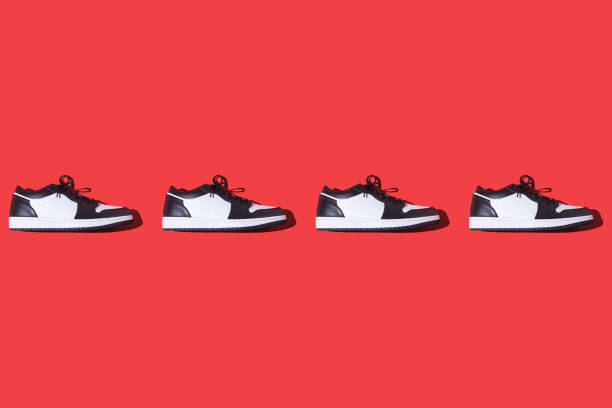
Sneaker collector culture is a vibrant, complex ecosystem that transcends the simple act of buying shoes. It is a confluence of history, identity, art, and commerce, defined not by the quantity of boxes stacked in a closet but by the depth of the stories they represent. At its core, this culture is a passionate pursuit driven by a shared language and a collective memory, where a pair of sneakers functions as a tangible connection to cultural moments, personal milestones, and artistic expression.
The foundation of sneaker culture is built upon narrative and provenance. Collectors are, in essence, archivists of pop culture. A pair is rarely valued on aesthetics alone; its worth is inextricably linked to its story. This could be the legacy of an athlete, like the Air Jordan line’s embodiment of Michael Jordan’s soaring dominance and style. It could be a landmark collaboration, such as the 2003 partnership between Nike and Japanese fashion designer Hiroshi Fujiwara, which legitimized sneakers as high fashion artifacts. It might be a limited production run, a sample never released to the public, or a model tied to a specific moment in music or film. The hunt is as much for the narrative as for the object itself, with each acquisition representing a chapter added to a personal and collective archive. This deep knowledge creates a hierarchy of respect within the community, where authenticity and expertise are the true currency.
Furthermore, sneaker culture is a powerful form of identity construction and tribal affiliation. The shoes one chooses to collect and wear signal allegiances, tastes, and subcultural membership. A collector focused on vintage running silhouettes from the 1970s communicates a different aesthetic and knowledge base than one dedicated to futuristic basketball designs or avant-garde designer collaborations. These choices become a non-verbal dialect, allowing individuals to express their connection to hip-hop, skateboarding, sport, or high fashion. Online forums, social media groups, and in-person sneaker conventions serve as modern-day agoras where this identity is performed and validated. Here, collectors engage in the rituals of the culture: showcasing “pick-ups,“ discussing restoration techniques for “grails” (the most coveted, hard-to-find pairs), and debating the merits of new releases. This shared participation fosters a powerful sense of belonging within a global community.
However, this passionate subculture exists in constant tension with the forces of commercialization and scarcity. The strategic use of limited releases and “drops” by brands has transformed sneaker collecting into a high-stakes economy with its own stock market-like dynamics. Resale platforms have professionalized the secondary market, creating a parallel world of investors and flippers who may prioritize profit over passion. This commercial layer can sometimes distort the culture’s original ethos, leading to frustration over bots securing inventory and skyrocketing aftermarket prices that place iconic designs out of reach for many enthusiasts. Yet, even this tension is defining; it has made collectors more discerning, valuing true design innovation and meaningful stories over hype alone. It has also elevated the craft of authentication and preservation, as the condition and legitimacy of a pair are paramount.
Ultimately, what defines sneaker collector culture is the profound human desire to find meaning in material objects. A sneaker is a canvas upon which stories of athletic triumph, musical revolution, artistic collaboration, and personal journey are painted. It is a culture built on the appreciation of design details—the stitch of a Swoosh, the patina of aged mesh, the engineering of a midsole. It thrives on connection, both to the past and to a worldwide community that speaks the same language of model numbers and colorways. More than a hobby, it is a continuous dialogue between history and hype, between personal identity and collective memory, all laced up and ready to wear. The culture is not defined by the sneakers on the shelf, but by the pulse of the community that cherishes them.
Articles