The Suede and Foxing Tape Conundrum: A Material History of Skate Shoe Soles
The flat sole is the sacred foundation of skateboarding footwear, a non-negotiable feature born from the necessity of board feel. A skater cannot afford to have a thick, sculpted heel or a pronounced arch support between their foot and the grip tape. This direct connection is a matter of control, balance, and split-second reaction. Yet, the story of the flat sole is not merely a story of rubber thickness. It is a complex material history of two seemingly simple components: suede and the vulcanized rubber foxing tape. The paradox at the heart of every great skate shoe is the tension between the need for a low-profile, sensitive sole and the brutal reality of friction against asphalt and concrete.
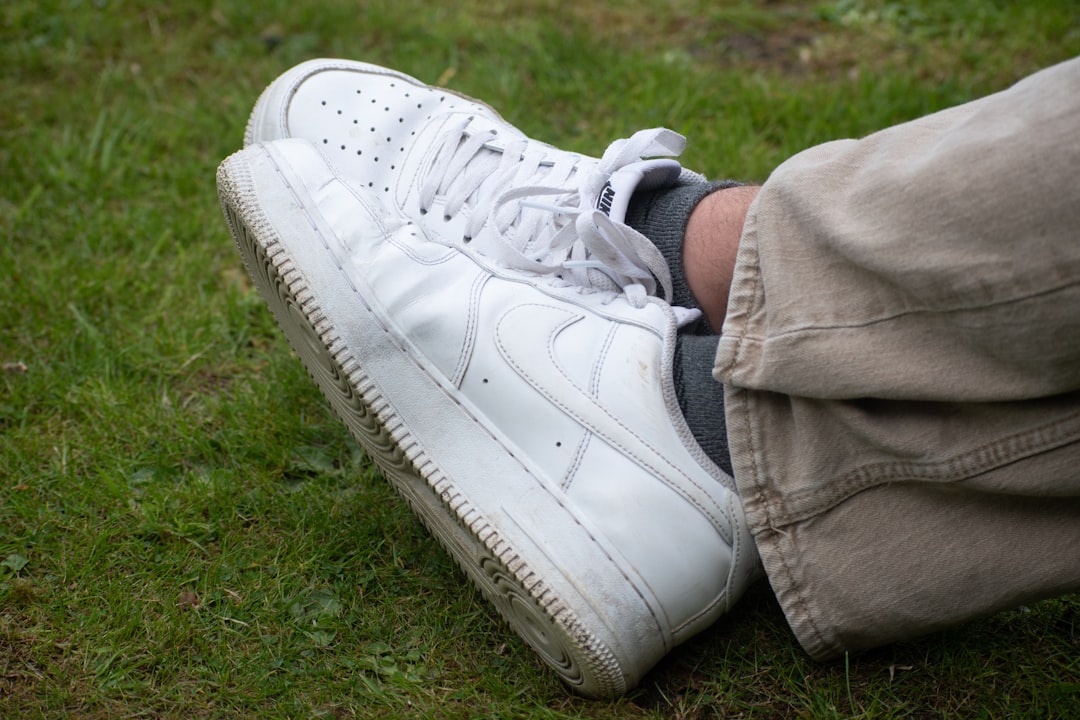
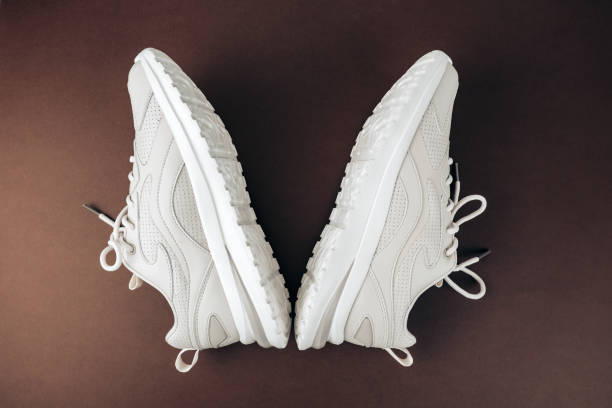
The modern skate shoe flat sole owes its existence to the vulcanization process, a technique that bonds the rubber outsole to the upper using heat and pressure. This process allows for a remarkably thin midsole, often negligible in thickness, which places the foot directly on the board. This construction is the hallmark of classic silhouettes, from the Vans Era to the Converse One Star. The sole itself is typically a waffle tread pattern, a design pioneered by Paul Van Doren in the 1960s. The original waffle sole, created by pressing rubber onto a waffle iron, offered the perfect blend of grip on the board and stickiness on the ground. This pattern remains the gold standard because it provides multidirectional traction without being overly aggressive. A deep, knobby tread would catch on the board’s grip tape when the skater tries to slide or pivot their foot, a dangerous scenario. The flat, low-profile waffle sole, conversely, allows for smooth flicks and controlled landings.
The real engineering challenge, however, lies not in the sole itself but in the union between the sole and the upper. This is where the foxing tape enters the conversation. Foxing tape is a thin strip of rubber that wraps around the bottom perimeter of the shoe, where the upper meets the sole. This tape is not decorative; it is a structural necessity. On a flat-soled skate shoe, the constant pressure placed on the toe area during ollies and the lateral flex during kickflips creates immense stress. Without foxing tape, the upper would simply separate from the sole. The tape acts as a robust, flexible bandage that seals this vulnerable seam. It absorbs the shearing forces that would otherwise rip the stitching apart. Early skate shoes that lacked this feature often failed catastrophically, with the sole peeling off the front like a banana skin after a few sessions. The inclusion of vulcanized foxing tape transformed the skate shoe from a casual sneaker into a piece of technical equipment.
The choice of upper material further complicates this relationship. Suede became the dominant material for a reason far beyond aesthetics. Smooth leather is too slick for gripping the sandpaper-like texture of grip tape. Canvas, while lightweight, tears too quickly under the abrasive friction from boardslides and griptape contact. Suede offers the perfect Goldilocks solution. Its napped surface provides a high degree of friction against the griptape, allowing skaters to catch the board precisely with the side of their foot. Furthermore, suede is significantly more durable than canvas. A single griptape rub can shred through canvas, while suede will scuff and wear down slowly, often taking months before a hole appears. The material’s ability to take a “grind” and not immediately fail is essential. The thickness and density of the suede used in skate shoes is also critical; cheap, thin suede will delaminate, while high-grade, thick suede can withstand constant abrasion and even protect the foot from scrapes and impacts.
The interplay between suede and foxing tape creates a distinct failure pattern that skaters learn to read. The first sign of a shoe’s imminent death is often a tear forming at the light-touch point, the spot where the foxing tape meets the suede on the toe cap. This is the epicenter of a shoe’s stress. As the suede wears thin from ollies, the underlying stitching becomes exposed. Once the stitching is severed, the foxing tape is doing all the work, and it will eventually give way. Skaters have developed an entire subculture around patching these failures. Duct tape, Shoe Goo, and specialized vulcanizing patches are used to extend the life of a dying shoe. This repair culture speaks to the deep attachment skaters feel toward a perfectly broken-in pair of flat soles. A new shoe feels stiff and unresponsive, while a worn shoe has a sole that has molded to the specific pressure points of the skater’s foot and a suede upper that has softened perfectly against the board.
In conclusion, the flat sole of a skate shoe is a deceptively simple piece of engineering that masks a profound material conundrum. It demands a simultaneous balance of grip, durability, flexibility, and sensitivity. The vulcanized rubber outsole with its waffle pattern provides the ground connection, while the foxing tape ensures that this connection does not rip the shoe apart. Meanwhile, the suede upper provides the necessary friction and durability for board control. The history of skate shoe design is a relentless pursuit of a better solution to this problem, but the classic combination of suede and foxing tape on a flat vulcanized sole remains the most effective and beloved solution ever devised.
Articles