The Sustainable Sneaker Edit: Balancing Minimalist and Maximalist Style
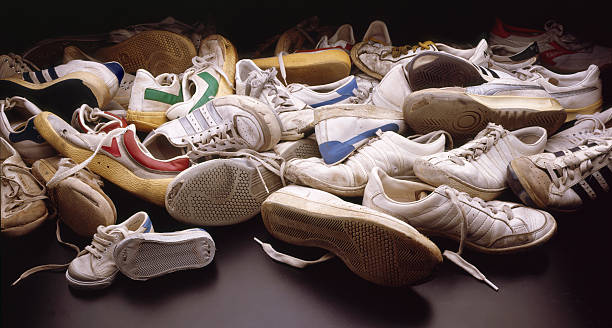
Sneaker style has never been more divided between quiet restraint and loud expression. One wardrobe leans toward clean leather lows, tonal suede, and barely-there branding. Another embraces chunky soles, saturated colorways, layered panels, and collaboration-level detail. Both can look sharp, and both can fall into the same trap: buying too often, chasing trends too quickly, and treating sustainability as a material claim rather than a daily practice. The most useful approach is not to pick a side forever. It is to understand how minimalist and maximalist sneakers can work together in a wardrobe designed for longer wear, fewer regrets, and more personal style.
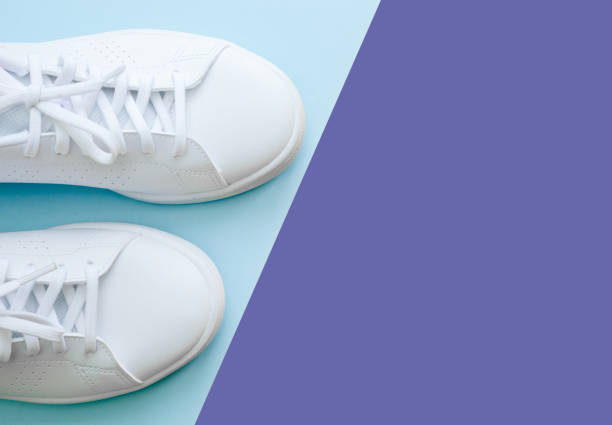
Minimalist sneakers are often framed as the sustainable choice by default. Neutral colors, simple silhouettes, and versatile shapes suggest that one pair can go with everything. That logic has merit, but minimalism can quietly become its own form of overconsumption. A person can own ten nearly identical white sneakers in pursuit of the perfect capsule and still face the same problem: too many shoes, too little wear. Sustainable minimalism is not about owning the blandest possible pair. It is about choosing a silhouette that suits your actual life, then wearing it until it earns its keep. A clean court shoe, a low-profile runner, or a tonal canvas sneaker can be repaired, resoled, cleaned, and restyled for years. The key is resisting the urge to replace a scuffed pair simply because a newer version appears online.
Maximalist sneakers can be equally sustainable when they are treated as long-term statement pieces rather than disposable hype. A bold colorway or sculptural sole can carry an outfit with little else, which may reduce the need for more clothes and accessories. The risk is collector culture turning every release into an obligation. A maximalist wardrobe becomes greener when each loud pair has a clear role: the travel shoe, the event shoe, the rainy-day statement, the one that makes a simple outfit feel deliberate. Custom laces, visible mending, and careful cleaning can extend a maximalist sneaker’s life while adding character. Scuffs and creases do not ruin a bold shoe; they can become part of its story if the owner lets them.
The practical balance is to build around a small core and let contrast do the work. One or two minimalist sneakers can handle daily errands, workdays, and travel, while one or two maximalist pairs provide energy for weekends, creative outfits, and occasions that call for personality. This structure keeps the wardrobe flexible without turning it into a warehouse. It also makes shopping more intentional. Before buying, ask whether the pair fills a gap or simply repeats a feeling. Check whether it works with at least three existing outfits, whether the materials match your climate and care habits, and whether the construction can be cleaned or repaired. Look beyond vague eco-labels and focus on verifiable details such as recycled content, leather alternatives, natural rubber, resoleable construction, and take-back or repair programs.
Care is where style and sustainability meet. Rotating shoes lets them dry fully and reduces odor. Cleaning with gentle products preserves upper materials and midsoles. Stuffing sneakers maintains shape, and storing them away from direct sunlight slows yellowing. Resoling and professional repair can add years to a favorite pair, while resale and donation keep wearable shoes in circulation. These habits matter more than a single “green” purchase because they shape how long every pair stays useful. Emotional durability is just as important as physical durability. A minimalist sneaker you love will be worn more than a trend-driven pair you tolerate, and a maximalist sneaker that feels like self-expression will resist the pull of the next release.
Sustainable sneaker style is not a contest between plain and loud. It is a practice of matching aesthetics to behavior. Minimalism offers ease and versatility; maximalism offers joy and contrast. Neither is automatically responsible. The wardrobe that works is the one where restraint and expression coexist, where every pair has a purpose, and where care extends beyond the unboxing. The most sustainable sneaker is the one already in rotation, and the most stylish is the one that feels unmistakably yours.