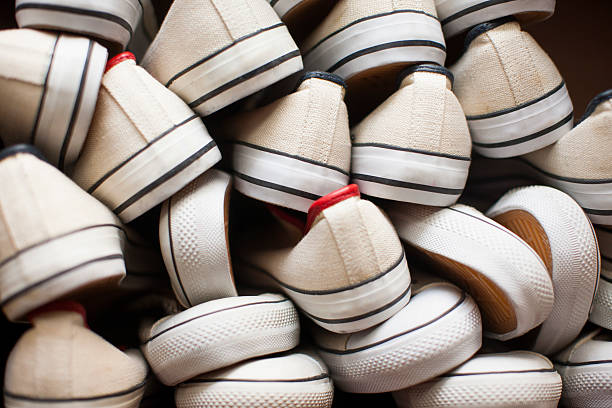
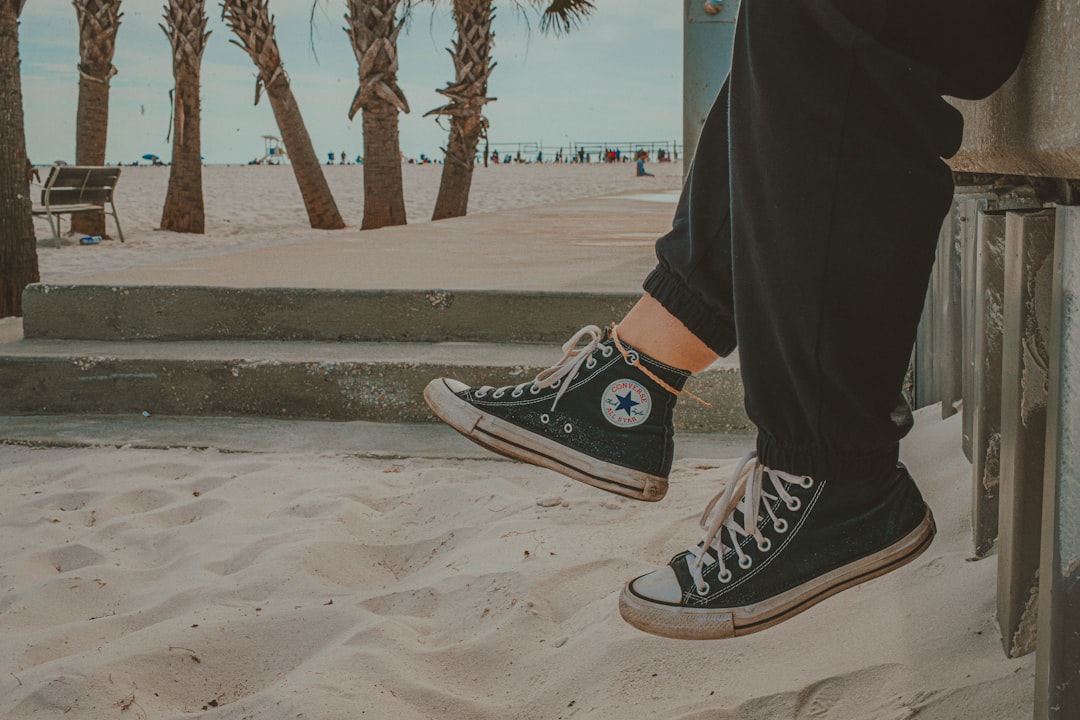
Boxes, Shelves, or Display Cases: Choosing the Right Storage for Your Sneaker Collection
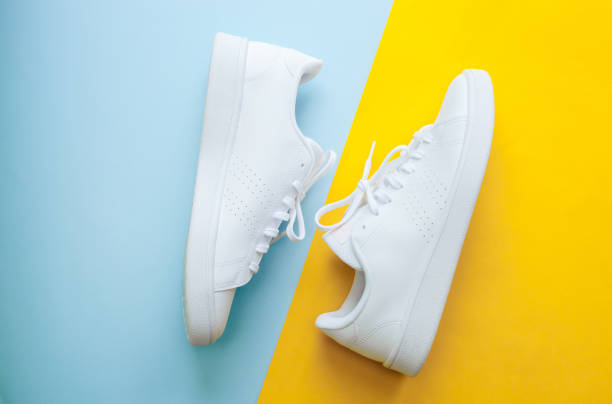
The right storage system does more than keep a collection tidy. It protects shape, slows material degradation, limits dust and light exposure, and determines how often a pair can be worn without disruption. Boxes, shelves, and display cases each solve different problems, and the best choice depends on climate, collection size, wearing frequency, available space, and the value of individual pairs. A thoughtful mix often outperforms a single method, especially when the goal is long-term preservation rather than simple organization.
Original boxes remain popular because they keep pairs together, offer some dust protection, and support resale documentation. They are convenient for stacked storage and help collectors identify models quickly. However, cardboard is not a perfect preservation environment. It can absorb moisture, trap odors, and restrict airflow, particularly in humid rooms. Stacking heavy boxes can crush lower pairs, and frequent handling causes corner wear that reduces the box’s condition. Original boxes work best for clean, fully dry sneakers in a climate-controlled space, ideally with breathable access or periodic airing. For long-term storage in damp conditions, archival or ventilated storage boxes are safer than sealed cardboard. Adding rechargeable silica packs can help, but they must be monitored and replaced before they become saturated.
Shelves prioritize access and airflow. Open shelving makes a collection easy to browse, rotate, and style, and it reduces the risk of forgetting pairs buried in boxes. Flat, solid shelves are better than wire racks, which can leave pressure marks across midsoles and uppers. Shelves should be deep enough to support the full shoe, mounted securely, and kept away from direct sunlight, radiators, and exterior walls that fluctuate in temperature. Dust is the main tradeoff. Regular cleaning, gentle air movement, and keeping shelves off the floor help limit buildup. Open shelves suit frequently worn pairs and collections that change often, but they demand discipline. Too many pairs crowded together can distort shapes and make cleaning difficult. Spacing shoes apart, stuffing them lightly with acid-free paper, and rotating positions prevents uneven fading and pressure.
Display cases offer the strongest balance of visibility and protection. Glass or acrylic cases shield sneakers from dust, pets, and accidental contact while creating a curated focal point. UV-filtering glass or acrylic is essential near windows or strong indoor lighting, because ultraviolet exposure accelerates yellowing, fading, and material brittleness. Display cases are ideal for grails, vintage pairs, signed models, and shoes with delicate materials. They are not automatically safer, though. A sealed case in a humid room can trap moisture, encouraging mold, glue failure, and metal corrosion. Ventilation slots, removable panels, or monitored desiccant packs may be necessary. LED lighting produces less heat than incandescent bulbs, but even low-heat lights should not sit too close to uppers. Cases also consume floor or wall space and can be expensive, so they work best as selective storage rather than whole-collection housing.
Climate control matters across every storage type. Consistent temperature and moderate humidity are more important than an elaborate cabinet. Basements and attics are risky because they swing between damp and dry, hot and cold. Direct sun fades color and yellows midsoles; heat softens glue and warps soles; excessive humidity invites mold and oxidation. Sneakers should be clean and completely dry before storage, since dirt and sweat can attract pests and accelerate deterioration. Light stuffing helps maintain toe shape, but harsh shoe trees can stretch delicate uppers. Cedar products may repel pests but can impart scent or interact with certain materials, so neutral acid-free paper is often safer. Labels and an inventory list reduce unnecessary handling and help collectors rotate pairs before long periods of neglect.
A practical collection usually combines all three approaches. Boxes handle overflow, long-term storage, and pairs that are not worn often. Shelves keep the active rotation accessible and allow airflow. Display cases protect standout pairs and add structure to a room. The key is not choosing the most attractive option but matching each pair to the storage conditions it actually needs. Avoid overcrowding, control light and moisture, clean before storing, and review the collection seasonally. With the right balance of boxes, shelves, and cases, sneakers remain wearable, presentable, and structurally sound for far longer.