The Ten: How Virgil Abloh Redefined Sneaker Collaboration Culture

When Virgil Abloh unveiled The Ten in 2017, the sneaker world did not simply receive a new collection; it witnessed a paradigm shift in how artists, brands, and designers collaborate. The Ten was a series of ten reimagined Nike silhouettes, each deconstructed and rebuilt through Abloh’s signature architectural lens. What made this collaboration monumental was not just the scarcity or the hype, but the philosophical underpinning: Abloh treated sneakers as blank canvases for storytelling, exposing the bones of design and challenging the very notion of what a collaboration could be. In the years since, The Ten has become a benchmark, influencing every subsequent partnership between high-fashion figures and athletic giants, and cementing its place as a defining moment in sneaker drop culture.
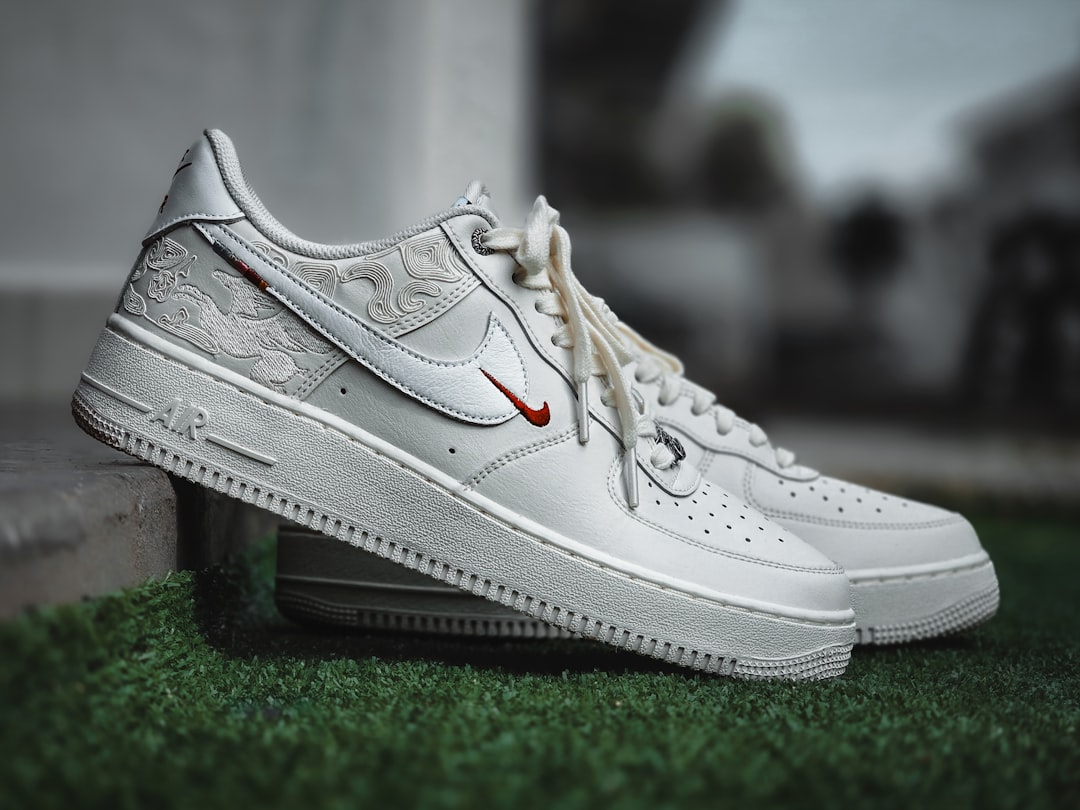
At its core, The Ten was a masterclass in narrative. Abloh divided the collection into two families: “REVEALING” and “GHOSTING.” The REVEALING pairs—such as the Air Jordan 1, Air Presto, and Air VaporMax—featured cutaways, exposed foam, and visible stitching that laid bare the construction process. The GHOSTING editions, like the Blazer Mid, Air Max 90, and Air Force 1, utilized translucent materials to create a sense of layering and transparency. Every detail carried intent. The quotation marks, the zip-tie, the orange tab, the Helvetica text—these elements became visual shorthand for Abloh’s design vocabulary, instantly recognizable and endlessly imitated. More than a product drop, The Ten was a public lecture on deconstruction, inviting wearers to see sneakers not as finished objects but as living documents of design decision-making.
The cultural impact of The Ten extended far beyond the sneaker community. It bridged the gap between streetwear and high art, legitimizing sneakers as serious objects of design criticism. Museums and galleries exhibited the collection; fashion critics wrote essays parsing its semiotics. Abloh himself was a trained architect, and he brought a structural rigor to sneaker design that had rarely been seen. Each pair told a story of origin—the Air Jordan 1’s wings logo was partially sanded away, the Air Force 1’s Swoosh was detached and reattached. These gestures forced consumers to consider the history embedded in each silhouette. In doing so, The Ten elevated the sneaker collaboration from a mere co-branding exercise into a form of conceptual art.
The release strategy for The Ten also rewrote the rules of drop culture. Instead of a single limited drop, Abloh and Nike staged a global rollout over several months, building anticipation and allowing each silhouette to have its moment. The first pair, the Air Jordan 1 “Chicago,” was released at a single event in New York, creating a frenzy that set the tone for the rest of the series. Subsequent drops were staggered across cities, each tied to a specific narrative—Paris for the Air VaporMax, Tokyo for the Blazer. This geographical choreography turned each release into a cultural event, drawing massive crowds and generating real-time social media coverage. The result was a model of sustained hype that many brands have since attempted to replicate, though few have matched its organic authenticity.
The resale market for The Ten has become its own legend. Original retail prices hovered around $190 to $250, but within weeks, pairs were trading for four or five times that amount. As of 2025, a deadstock pair of the Air Jordan 1 “Chicago” can command upwards of ten thousand dollars, making it one of the most valuable sneakers ever produced. Yet the influence of The Ten is not purely financial. It changed how designers approach collaborations—today, almost every major partnership includes some element of deconstruction, whether it be visible foam, raw edges, or exposed materials. The “ghost” aesthetic has become a staple in sneaker design, a direct lineage from Abloh’s original vision.
Critics have pointed out that The Ten also contributed to the commodification of hype, creating a template that later collaborations exploited for quick profits rather than genuine innovation. There is truth to that critique. But the original collection’s integrity remains intact because it was born from a personal artistic journey, not a marketing brief. Abloh often said he wanted to “honor the originals,” and every pair in The Ten paid homage to the iconic status of its base silhouette while simultaneously questioning what made it iconic. That balance of reverence and irreverence is exceedingly rare in commercial collaborations.
In the wake of Abloh’s untimely passing in 2021, The Ten has taken on an even deeper significance. It stands as a testament to his genius and his ability to see sneakers as something more than footwear. For sneaker enthusiasts, owning a pair of The Ten is akin to owning a piece of design history. For collectors, it represents a gold standard of collaboration—one that merged artistry, storytelling, and market strategy in perfect harmony. The Ten did not just confirm that artists, brands, and designers could collaborate successfully; it proved that the best collaborations rewrite the vocabulary of the entire industry.
Articles